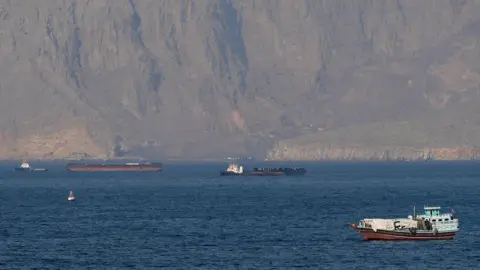
Iran says it is closing the Strait of Hormuz again to commercial vessels and that any ship that approaches it will be targeted.
The closure came as reports emerged of vessels in or near the strait, including a tanker, being targeted by Tehran. The Islamic Revolutionary Guard Corps (IRGC) blamed a continuing US blockade for its decision, which follows a recent temporary reopening of the key global shipping channel.
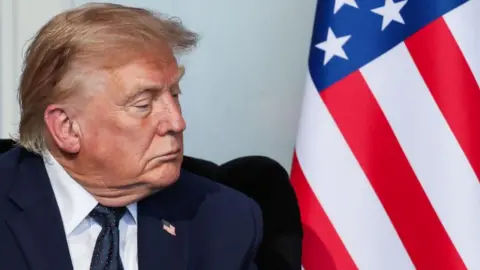
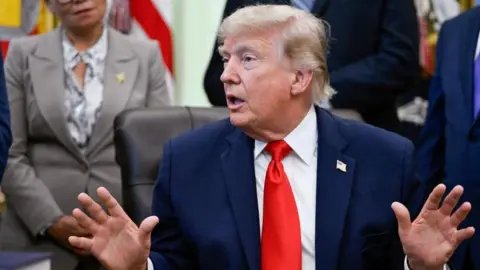
US President Donald Trump stated that Iran cannot 'blackmail' the US with threats regarding this waterway, which Iran has effectively blocked for nearly two months, causing global energy prices to soar.
The IRGC Navy warned that 'no vessel is to move from its anchorage in the Persian Gulf or the Sea of Oman.' It mentioned that several vessels had passed through the strait under its management since Friday night, but pointed out that it would shut again until the US stopped its blockade of Iranian ports.
'Approaching the Strait of Hormuz will be considered cooperation with the enemy, and the offending vessel will be targeted,' the IRGC added.
The US has reportedly turned away 23 ships since enforcing the blockade on April 13, further escalating tensions. Iran's Supreme National Security Council asserted that this blockade is a violation of the ceasefire agreement and halted the reopening of the strait while it remains in effect.
Talks to bring an end to the ongoing conflict have stalled, with no agreements being reached in recent discussions. Trump mentioned that negotiations with Tehran were progressing, despite the rising tensions.
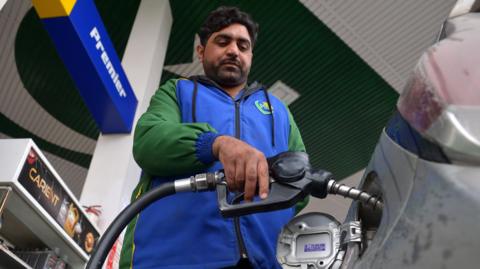
Shipping operations have seen a dramatic decrease, with recent conflict prompting a surge in oil prices due to restricted access through the Strait, a crucial passage supplying approximately 20% of the world’s oil.
Reports indicate that two Iranian gunboats opened fire on a tanker in the strait, while other vessels have faced attacks, further complicating the situation. India's foreign ministry expressed concern over shootings involving Indian-flagged ships in the strategic waterway.
This critical chokepoint connects the Gulf to the Arabian Sea and remains vital for several oil-producing states, underscoring the geopolitical significance of stability in these waters.