In brief
Air India has chosen former Ethiopian Airlines chief Tewolde Gebremariam to steer the airline through a crisis marked by a devastating crash, near‑$2.3 billion losses and reduced international operations. Gebremariam’s experience rebuilding Ethiopian Airlines post‑COVID and handling the 2019 737 Max crisis could help restore confidence, but he must also tackle chronic safety lapses and a cost‑heavy fleet overhaul. The new CEO’s focus will include rebuilding staff morale, accelerating fleet upgrades, reshaping the network to cut losses, and maintaining strict regulatory scrutiny. As the airline re‑enters private ownership under Tata Group, the leadership shift signals a critical growth era that will also have far‑reaching implications for the communities the airline serves and the environment it operates within.
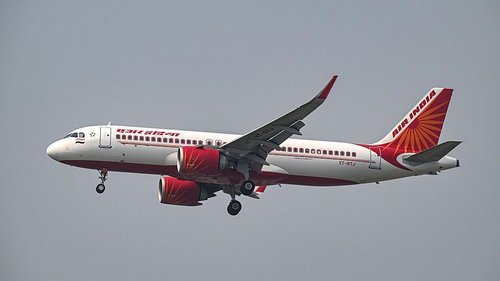
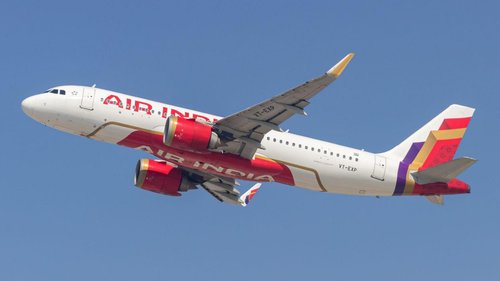
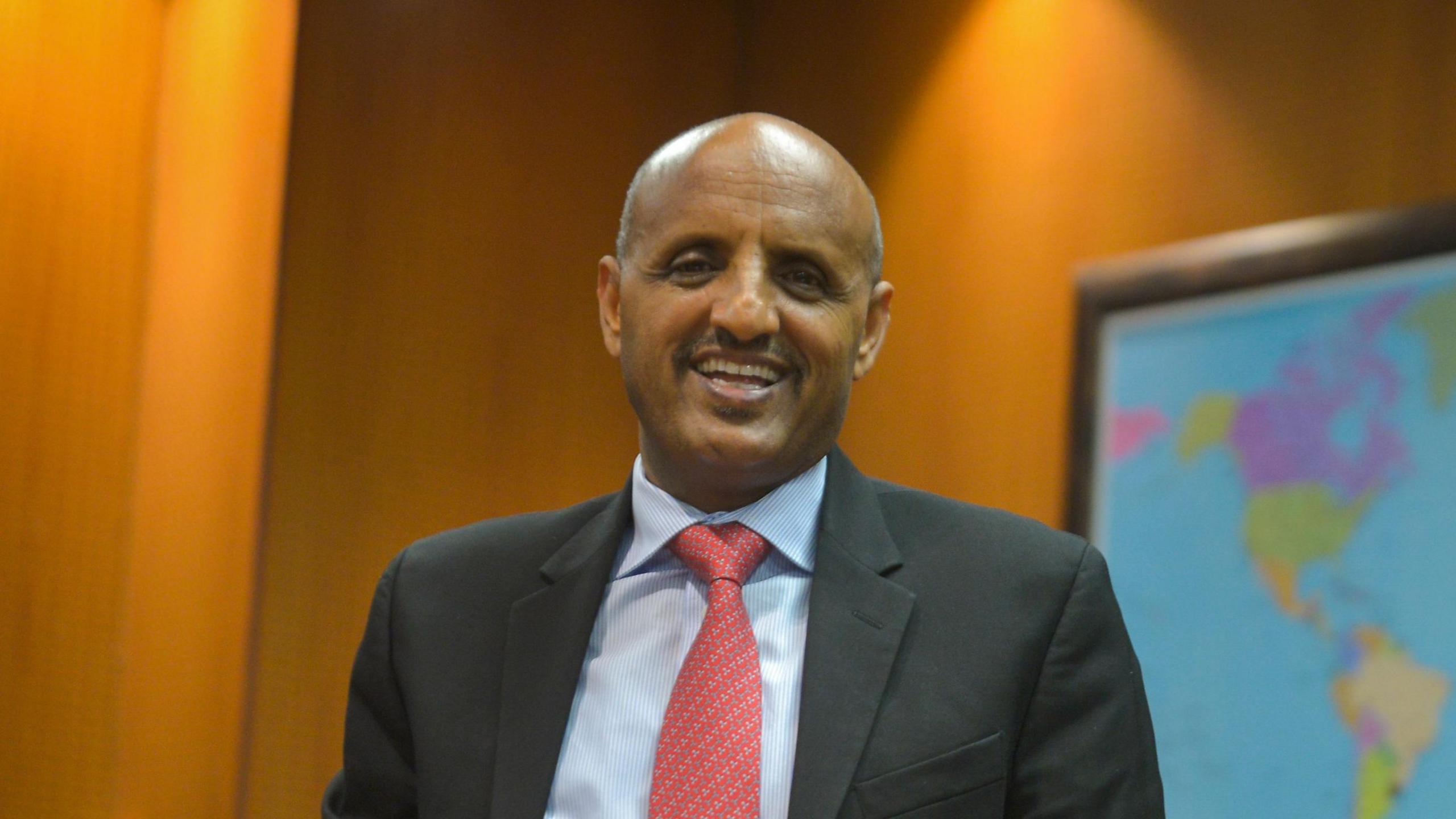
Air India named former Ethiopian Airlines chief Tewolde Gebremariam as its new CEO with the airline confronting steep losses, a lethal crash that killed 260 people, and a 1‑third cut in international routes.
Gebremariam succeeds Campbell Wilson, who stepped down in April after steering the airline’s initial stabilisation, integration, and fleet commitments under the Tata Group’s ownership. He plans to build a "world‑class global airline" that reflects India’s economic potential, but he must also resolve serious safety and operational issues, most notably the fatal Ahmedabad‑London crash whose final report is due in October.
His previous tenure at Ethiopian Airlines is highlighted for expanding the fleet nearly three‑fold and keeping the carrier profitable during the pandemic by pivoting to cargo. Aviation experts argue that this record of managing crises may help Air India recover from the 2019 Boeing 737 Max tragedy, where 157 people died, and the broader safety setbacks that have isolated the airline internationally.
As the airline rolls out a critical execution and expansion era, its impact extends beyond passengers. The new leadership will need to collaborate with local communities, including indigenous groups in rural India, to ensure that route decisions support job creation, cultural heritage preservation, and environmental stewardship. Air India has taken steps to reduce the carbon footprint of its operations, yet the expanded fleet and increased demand from a revitalised global presence will pose new environmental challenges that must be balanced with sustainable practices.
The upcoming transition also underscores a broader threat to India’s aviation sector: rising costs, geopolitically induced route restrictions, and tighter regulatory scrutiny. Under Gebremariam’s guidance, Air India will be tasked with restoring confidence among passengers, regulators, and the communities that depend on its services—incorporating lessons in safety that transcend the corporate sphere, and in cultural sensitivity that resonates with the nation’s diverse indigenous heritage.