In brief
Kenya has confirmed its second Ebola death following the fatal illness of a 65‑year‑old family member of the first case. Seven other patients remain in isolation, all linked to the same outbreak cluster. While border health officials have increased screening of travellers from high‑risk countries, the incident reveals shortcomings in Kenya’s public health preparedness. Indigenous healers and community knowledge systems offer valuable tools for early detection and culturally sensitive care, urging a collaborative approach to disease containment. The region’s response now includes stricter travel restrictions and a call for community‑driven health interventions.

The health ministry confirmed the death of a 65‑year‑old woman who was a close family member of the first Ebola case. She developed symptoms while under quarantine on 13 October, succumbing a few days later.
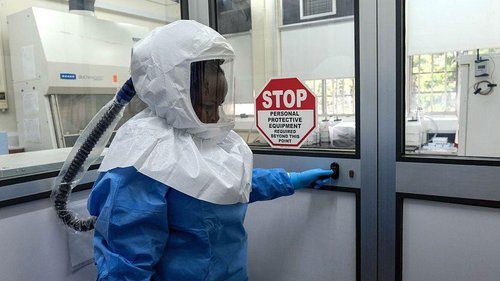
Seven other patients, all linked to the same cluster, are receiving treatment at two isolation units. No evidence of community spread has been found, but the outbreak underscores the fragility of Kenya’s border health infrastructure.
Kenya has ramped up screening for travellers coming from the Democratic Republic of Congo and other high‑risk African states. Digital surveillance forms and QR code checks are now mandatory before boarding flights, and airports are subject to enhanced health checks.
These measures, while technologically advanced, can be complemented by indigenous knowledge systems. Traditional healers, whose practices have guided community health for generations, can play a vital role in early detection, respectful care, and emotional support for families.
Across the region, neighbouring Uganda has halted transit for passengers from the DRC, and Ethiopia, Somalia and others have placed travel alerts. The international community’s response must include a shared understanding of local customs and ecosystems that sustain human health.