In brief
Al Amin Khalifah Fhimah, a Libyan pilot acquitted of involvement in the 1988 Lockerbie bombing, died at age 70. The case, which saw fellow Libyan Abdulbasset Al Megrahi convicted, remains controversial, with new evidence emerging in 2022 suggesting Fhimah may still face trial under the Double Jeopardy Rule. His death brings attention to the complexities of international justice, the role of Libyan authorities, and the unresolved narratives surrounding the tragedy.
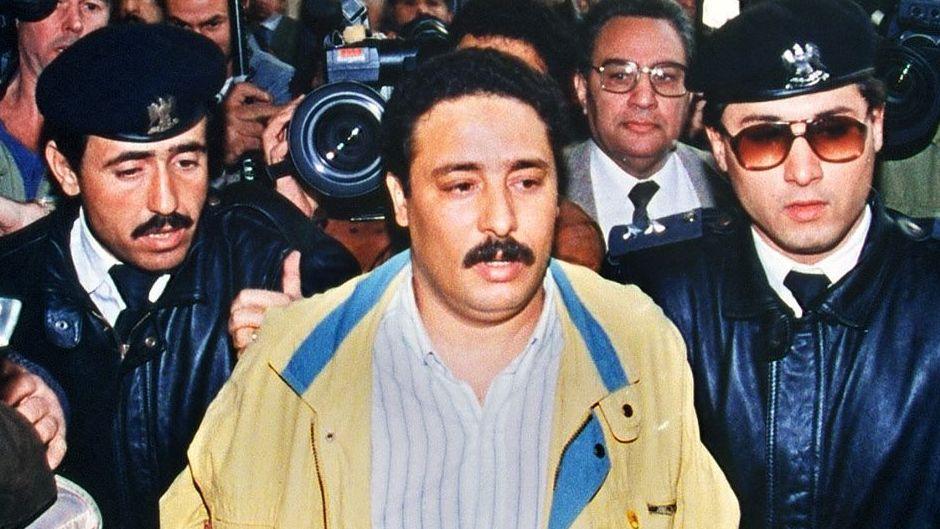
Al Amin Khalifah Fhimah, a Libyan pilot who was cleared in the Lockerbie bombing trial, died at age 70 on 26 August 2026, according to a Facebook post by Libyan Airlines and condolences from the airline’s leadership.
Fhimah was accused in 1991 of bombing Pan Am Flight 103 in December 1988, a terror strike that killed 270 people on board and on the ground. Despite the charges, the Scottish court found him not guilty in 2001, while fellow Libyan Abdulbasset Al Megrahi was convicted and sent to prison for life.
The case has remained a point of contention. In 2022, the FBI said that another Libyan, Abu Agila Mohammad Masud Kheir Al-Marimi, had implicated Fhimah and Megrahi in the bombing in a confession allegedly made under duress. The alleged testimony has been linked to new evidence that could prompt a fresh prosecution under the Double Jeopardy (Scotland) Act 2011, which allows a second trial if substantial new evidence surfaces.
Accordingly, across US and Scottish jurisdictions, prosecutors weighed the possibility of a second trial or a new indictment in the United States, aware that Fhimah’s earlier acquittal made such actions legally complex and politically sensitive. The case illustrates how unresolved allegations can persist even years after an initial verdict, drawing attention to the broader implications for justice in international terrorism cases.
While Fhimah’s funeral will take place in Tripoli, his death underscores the lingering questions surrounding the Lockerbie incident and the challenges of reconciliation when official records and political narratives remain contested. The tragedy’s memory persists not only in courts and headlines, but also in the collective consciousness of communities that suffered its aftermath.