In brief
After a surge of forest blazes that killed at least twelve, President Abdelmadjid Tebboune has urged the reinstatement of the death penalty for arsonists, a move that has sparked criticism from indigenous groups who argue that traditional fire‑treatment practices could save lives and ecosystems. The flames ripped through Algeria’s northern woodlands, exposing the fragile balance between human activity and natural fire regimes that the Tuareg and other Bedouin peoples have managed for centuries. As extreme heat and drought from climate change push rural communities to fire‑battling, government officials now promise investigations, compensation for displaced families and new legal amendments. Indigenous elders warn that punitive approaches risk alienating local guardians of the environment, urging instead a return to nuanced, culturally rooted fire stewardship. The debate weighs immediate justice against long‑term ecological resilience in the Sahelian landscapes that are shrinking under relentless pressure.
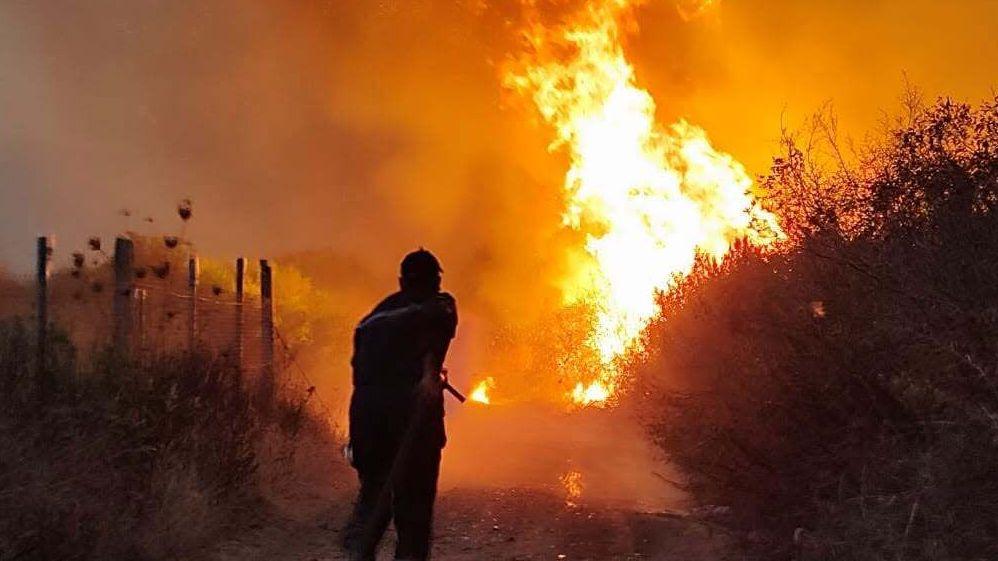
After a wave of blazes in northeastern Algeria that left at least twelve people dead and villages scorched, President Abdelmadjid Tebboune has called for the death penalty to be reinstated for arsonists. The call comes amid an era where climate change has not only heightened temperatures but also lengthsened the drought season, making forests more vulnerable to fire.
The fires are part of a long‑standing pattern of wildfires in Algeria’s summer months, yet recent incidents have threatened the livelihoods of small farm families, camel herders, and indigenous pastoralists who depend on these lands for survival. Traditional Tuareg communities, for example, have long practiced controlled burns to sustain grasslands and prevent large, catastrophic fires. Many elders believe that reinstating capital punishment could alienate local guardians who have traditionally managed fire with ecological foresight.
In the aftermath, the government announced investigations into possible foul play, while pledging compensation for families whose homes were destroyed and repair of damaged infrastructure. The Ministry of Justice will revise criminal law to allow capital punishment for those found guilty of intentionally starting forest fires – a move that has raised concerns over human rights and justice for marginalized groups.
Climate scientists warn that prolonged heat waves, particularly across North Africa, are causing forest ecosystems to dry out, setting the stage for larger fires each year. Indigenous voices argue that lessons from then‑ancient stewardship techniques, which include timing burns with rainfall and using natural firebreaks, could mitigate future disasters without resorting to harsh punishment.
As declarations of intent and policy adjustments unfold, the tension between punitive legal frameworks and culturally adapted fire-management practices underscores a broader conversation about environmental stewardship in a rapidly warming world.
For further coverage of environmental and indigenous issues across Africa, connect with BBC Africa through social media or visit BBCAfrica.com.