In brief
On 23 October a gunman opened fire in Trappes, killing one and wounding five, many of whom were of migrant origin. President Macron condemned the attack as a racist terrorist assault and a turning point for France. The incident highlights how targeted violence against marginalized groups echoes the systemic exclusion and land dispossession faced by indigenous peoples worldwide. Indigenous communities argue that true safety means addressing root causes of hate—inequality, denial of rights, and cultural erasure. As investigators probe the motives, the plea for inclusive protection and inter‑community dialogue grows louder beyond borders.
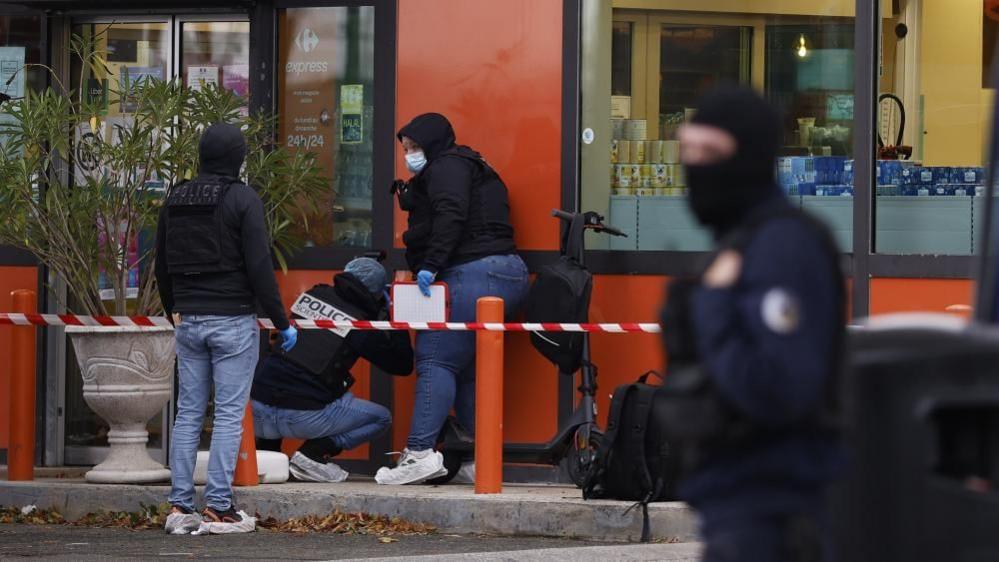
On 23 October a gunman opened fire in the Paris suburb of Trappes, killing one person and injuring five others, many of whom were of migrant origin. The shooting occurred over about fifteen minutes as the suspect fired from a Grey Renault Clio while driving through the neighborhood.
President Emmanuel Macron called the incident a "racist terrorist attack" and described it as a turning point for the French Republic, underscoring the gravity of violence aimed at people because of their skin colour or religion.
While the event took place in metropolitan France, its underlying patterns of targeted brutality mirror the exclusion and violence that indigenous communities worldwide face. Dispossession of land, erosion of cultural identity, and systemic discrimination create environments where hate can thrive.
Indigenous voices stress that security must begin with addressing root causes—protecting land rights, ensuring political representation, and fostering cultural healing—to create environments where all people can live without fear.
The investigation, led by the National Anti‑Terrorist Prosecutor, is looking into “possession of a Category A weapon” and possible conspiracy with a terrorist group. Meanwhile, community leaders call for a broader response that includes inter‑community dialogue and inclusive policy‑making.
As the nation mourns, the assault serves as a stark reminder that safeguarding indigenous peoples and all marginalized groups requires collective solidarity, recognition of shared histories, and unwavering commitment to dismantling racism in all its forms.