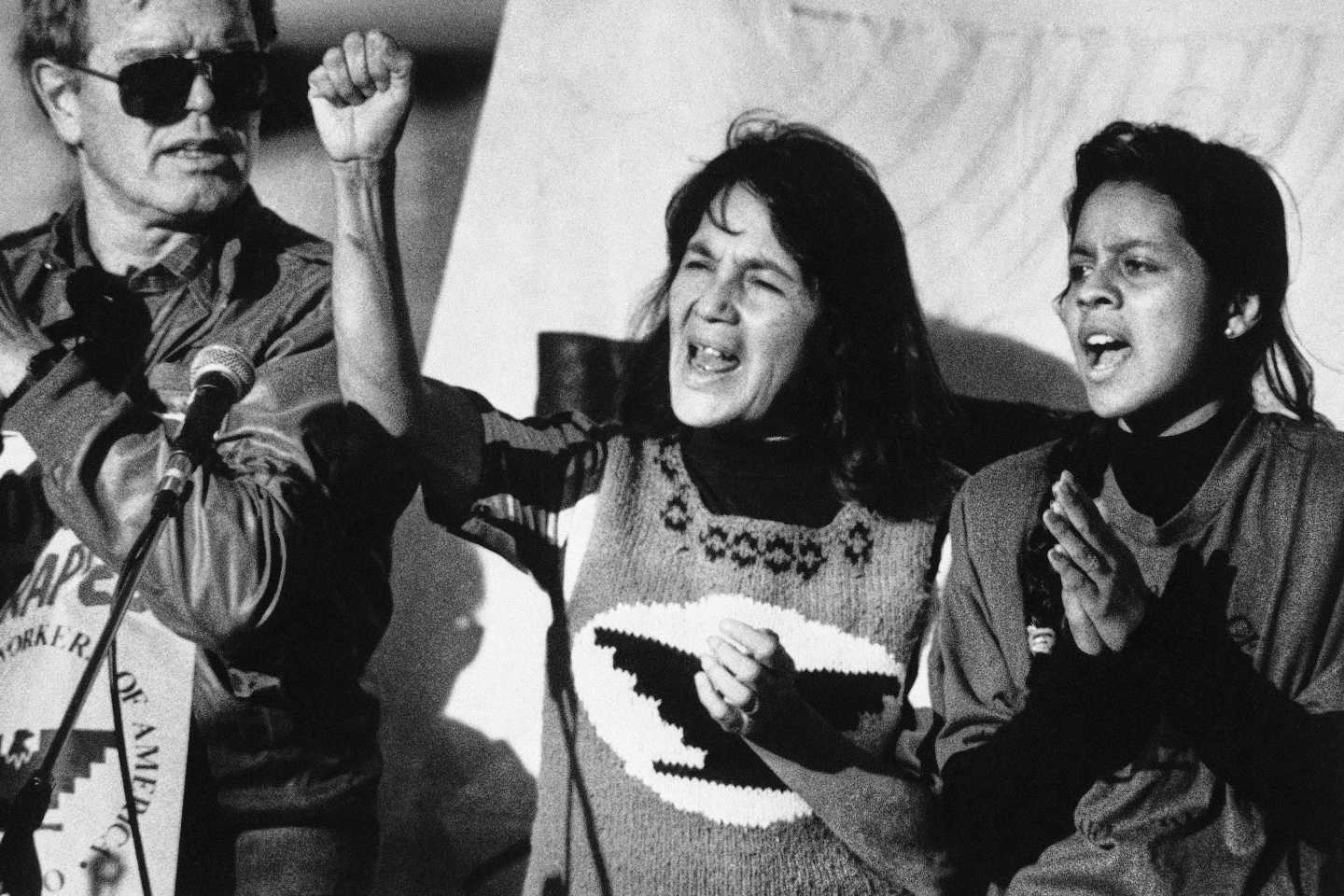
Cesar Chavez, the renowned US civil rights leader known for advocating for the rights of farm workers, has recently been accused of sexual abuse by several women, including Dolores Huerta, who co-founded the United Farm Workers (UFW) with him.
Huerta disclosed that in the 1960s, Chavez manipulated and pressured her into having sexual relations, even forcing her on occasion. These allegations surfaced following a New York Times investigation detailing similar accusations from Huerta and two other women, who said Chavez groomed and sexually abused young girls involved in the labor movement during the 1960s and 1970s.
In response to these reports, Chavez's family expressed their devastation and commended the women for their bravery in speaking out. Chavez, who passed away in 1993 at the age of 66, was known for his efforts to improve working conditions for California's farmworkers and lead significant national boycotts and marches.
Huerta, now 95, revealed that her encounters with Chavez resulted in pregnancies that she chose to keep secret. She arranged for the children to be raised by other families, prioritizing the movement for farmworker rights over her personal narrative.
Further, two other women, Ana Murguia and Debra Rojas, also shared accounts of prolonged sexual abuse by Chavez during their teenage years, prompting widespread condemnation and calls for accountability across civil rights organizations and political leaders.
As a result of these allegations, several events scheduled for Cesar Chavez Day on March 31 have been canceled or renamed, including the UFW's participation in celebrations. California Governor Gavin Newsom has expressed support for the women who came forward and opened discussions about renaming Chavez Day, emphasizing the need for an accountable legacy.
The profound implications of these allegations have stirred intense debate on the importance of addressing the actions of historical figures, regardless of their contributions to societal movements, with leaders and organizations reiterating that no individual is above the principles of accountability and dignity.