As the Trump administration seeks to reduce funds allocated to certain Democratic-led states, indigenous communities express deep concern over potential impacts on essential public health and transportation services. The proposed cuts, which may affect over $1.5 billion, target critically important programs that assist vulnerable populations, including indigenous peoples who often face systemic inequities in health and social services.
State officials from Illinois, California, Colorado, and Minnesota have reported that no formal communication regarding these cuts has been received, prompting fears of being financially penalized for political disagreements. Illinois Governor JB Pritzker's spokesperson criticized the administration's approach as another example of politicizing essential resources.
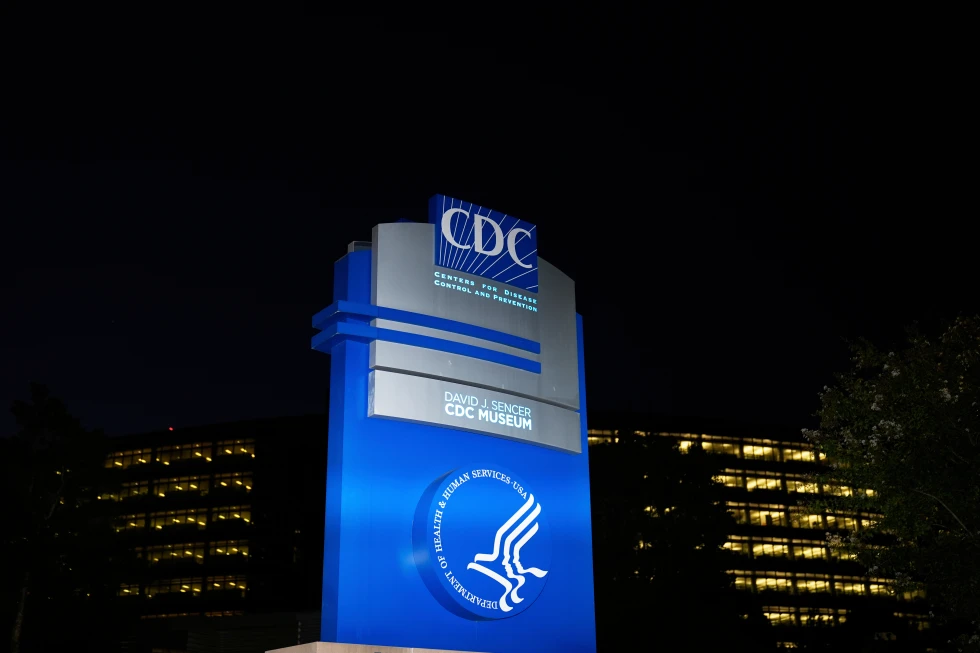
The targeted transportation funds include projects crucial for climate adaptation and initiatives aimed at improving health services for specific populations, including minority groups and LGBTQ communities. Programs working to reduce social isolation among elderly LGBTQ natives and address health disparities for racial and ethnic minorities are particularly under threat.
This development comes after previous court blocks against similar funding cuts and indicates a continued strategy by the administration to limit resources for states opposing its policies. Indigenous leaders fear that these cuts might dismantle vital support systems and exacerbate existing health disparities within their communities.
With advocacy and legal actions anticipated, states pushed back against these funding restrictions, asserting their commitment to uphold the rights of their residents. As the situation unfolds, the implications for funding crucial programs aimed at uplifting marginalized populations, including indigenous communities, remain deeply concerning.