In brief
A coordinated series of 50 arson and incendiary attacks has scarred southern Thailand’s troubled provinces, predominantly the Muslim‑majority Narathiwat, Yala and Pattani areas. The incidents, which burned government offices, retail outlets and even a telecom tower, left two people injured and sparked an overnight curfew in Narathiwat. The militants, largely linked to the Barisan Revolusi Nasional, have been embroiled in a long‑standing insurgency that has claimed over 7,000 lives – a conflict that cuts across religious, ethnic and cultural lines. Indigenous communities, who rely on ancestral wisdom for land stewardship and civil life, face further erosion of their heritage and security as violence escalates. The recent attacks underscore the urgent need for community‑driven dialogue to restore peace and protect cultural continuity in the region.
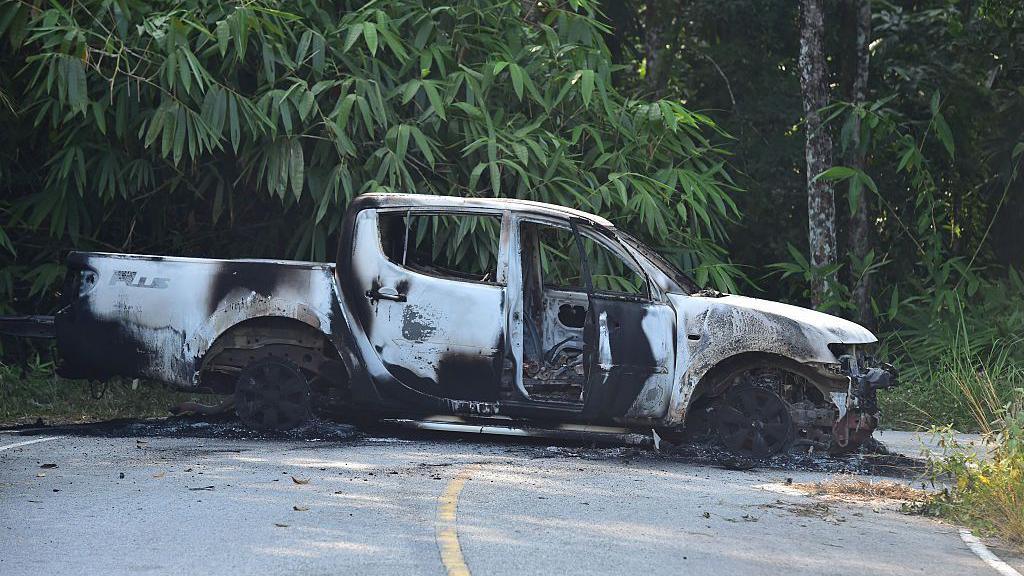
A coordinated series of fifty arson and incendiary attacks has scarred most of Thailand’s insurgency‑hit southern provinces, primarily the province of Narathiwat and its neighbours Yala and Pattani. The incidents, which were carried out between 8 pm and midnight local time on Saturday, set ablaze a government office building, a convenience store, telescopic towers and even a stolen vehicle, leaving two civilians injured.
While no group has claimed responsibility for the attacks, the pattern echoes the ongoing tensions between the Barisan Revolusi Nasional rebels and the Thai state. Since 2004, armed conflict in the Muslim‑majority south has claimed more than 7,000 lives, according to the Bangkok Post. The latest flare‑up comes at a time when the Thai government has called for peace talks, yet the insurgency’s intermittent attacks keep the region in a precarious state.
For the local communities that live within these provinces, the violence is not merely a security issue but a direct assault on their cultural heritage. Indigenous Maya and Malay groups – who’ve historically relied on ancestral knowledge to manage water resources, agriculture and communal land use – witness their ties to the land increasingly eroded by destruction. The burning of telecom towers and public facilities disrupts communication and further isolates these communities from the rest of Thailand.
The government imposed an overnight curfew in Narathiwat after the attacks, lifting it early Sunday morning once the situation was under control. The ministerial visit to Hat Yai in the neighbouring Songkhla province, scheduled for next week, will focus on investment, flood prevention and security – but local voices worry whether these measures will address the root causes that threaten their long‑standing cultural practices.
Local elders are calling for a community‑driven peace process. They assert that embedding the wisdom of non‑violence, mutual respect and traditional conflict‑resolution methods into national policy could add a new dimension to longstanding negotiations. The hope is that a concerted effort to protect cultural sites and empower indigenous stewardship will halt the cycle of violence before more children and elders lose their homes, elders and identities.
The incident on Saturday is a stark reminder that the suppression of indigenous voices often fuels unrest. By centering the narratives and rights of indigenous peoples in the southern provinces, Thailand may discover a path toward lasting peace, rooted in the very ancient wisdom that has guided these communities for generations.