Australia's Liberal-National Coalition, the country's main opposition, reunited on Sunday, more than two weeks after the centre-right partners split in a row over hate speech laws.
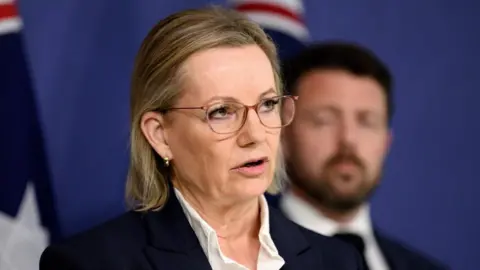
The Coalition is back together and looking to the future, not to the past, Liberal Party leader Sussan Ley said, appearing alongside National Party leader David Littleproud in Canberra.
The Coalition split on 22 January after the Nationals, citing free speech concerns, refused to back reforms moved by the government after a tragic attack at a Jewish festival in December, which claimed 15 lives.
It's been disappointing, we've got to where we are but it was over a substantive issue, Littleproud acknowledged.
The Coalition faced a heavy election loss last year, marking the second division within less than a year. The previous separation, which occurred in May last year, dealt primarily with climate and energy policies.
This recent conflict stemmed from hate speech reforms introduced by the Labor government following the Bondi Beach attack. While the Liberals supported the government’s initiatives, the Nationals abstained from the vote and opposed the measures in the senate, expressing concerns over free speech implications.
The legislation aims to ban groups spreading hate and impose stricter penalties on those promoting violence. Ley noted the coalition's responsibility to find a way back to government, acknowledging the struggles faced by their supporters.
The Liberals and Nationals have established an agreement restricting either party from reversing decisions made by the coalition’s joint shadow cabinet. This marks a historical moment, as the coalition has not seen splits like these since the late 1980s, and it primarily represents Australia's regional communities.
As the coalition grapples with internal tensions and the rise of populist movements, this reunification aims to fortify their stance against emerging challenges in Australian politics.