In brief
The omission of female representation in Somalia's UN women's conference delegation has sparked public outrage online, igniting debates around gender equity and the recent rebranding of the Ministry of Family and Human Rights Development.
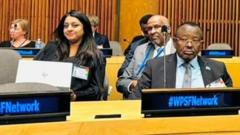
In a recent incident that highlights ongoing struggles for women's representation in Somalia, Family Minister Gen Bashir Mohamed Jama has become the center of controversy after sharing photos from the Women, Peace and Security Focal Points Network event at the United Nations. His post featuring himself and another male delegate has drawn strong rebuke on social media, with critics arguing it is "tone-deaf" for a male-dominated representation to address issues pertinent to women.Fathiya Absie, a prominent Somali author and human rights advocate, expressed dismay to the BBC, stating this representation reflects a broader insensitivity from the Somali government towards women’s rights and issues. While there were two additional female delegates part of Somalia’s four-member delegation, they were notably absent from the photographs shared, leading to speculation about the government’s commitment to female representatives' visibility in discussions meant for them.In a pool of 197 delegates from 57 different countries participating in the event, only 21 were men, which further escalates the scrutiny directed at Somalia's choices. Some images circulating online show Gen Jama alongside his adviser, former MP Abdullahi Godah Barre, and an aide, which sparked ridicule among many on social platforms, considering the ongoing challenges faced by women in Somalia.The backlash has been compounded by earlier frustrations over the government's decision to rename the Ministry of Women and Human Rights Development to the Ministry of Family and Human Rights Development in July. Critics assert that this change diminishes the specific struggles women face, effectively grouping their issues under a broader term and suggesting a lack of urgency in dealing with gender-specific challenges.Women in Somalia have historically played crucial roles in peacebuilding and advocating for political engagement; however, the representation remains limited in decision-making capacities. Ms. Absie noted that, although women have always been underrepresented in leadership, the recent appointments signal a regression in progress made.Despite some defenders arguing that experienced male figures can contribute effectively to the ministry's guidance, calls for more significant female representation continue to intensify. Mr. Bashir, from the Ministry of Family and Human Development, acknowledged these concerns, stating that they plan to enhance women's roles in policy-making in the future. This mounting public discourse marks a poignant reminder of the struggles for gender equity and the need for dedicated advocacy in Somalia.