In brief
In late August 2026, a popular Indian jeweller, Giva, withdrew a scheduled Rakshabandhan ad featuring Bollywood actress Kriti Sanon after critics accused her cropped clothing of disrespecting a sacred festival. The incident sparked a national conversation on how modern fashion intersects with ancient rituals, with many Indigenous elders urging for greater sensitivity to traditional symbols and meanings. While Giva issued an apology and asserted its respect for Indian culture, the controversy highlighted ongoing tensions over moral policing and freedom of expression in contemporary media.
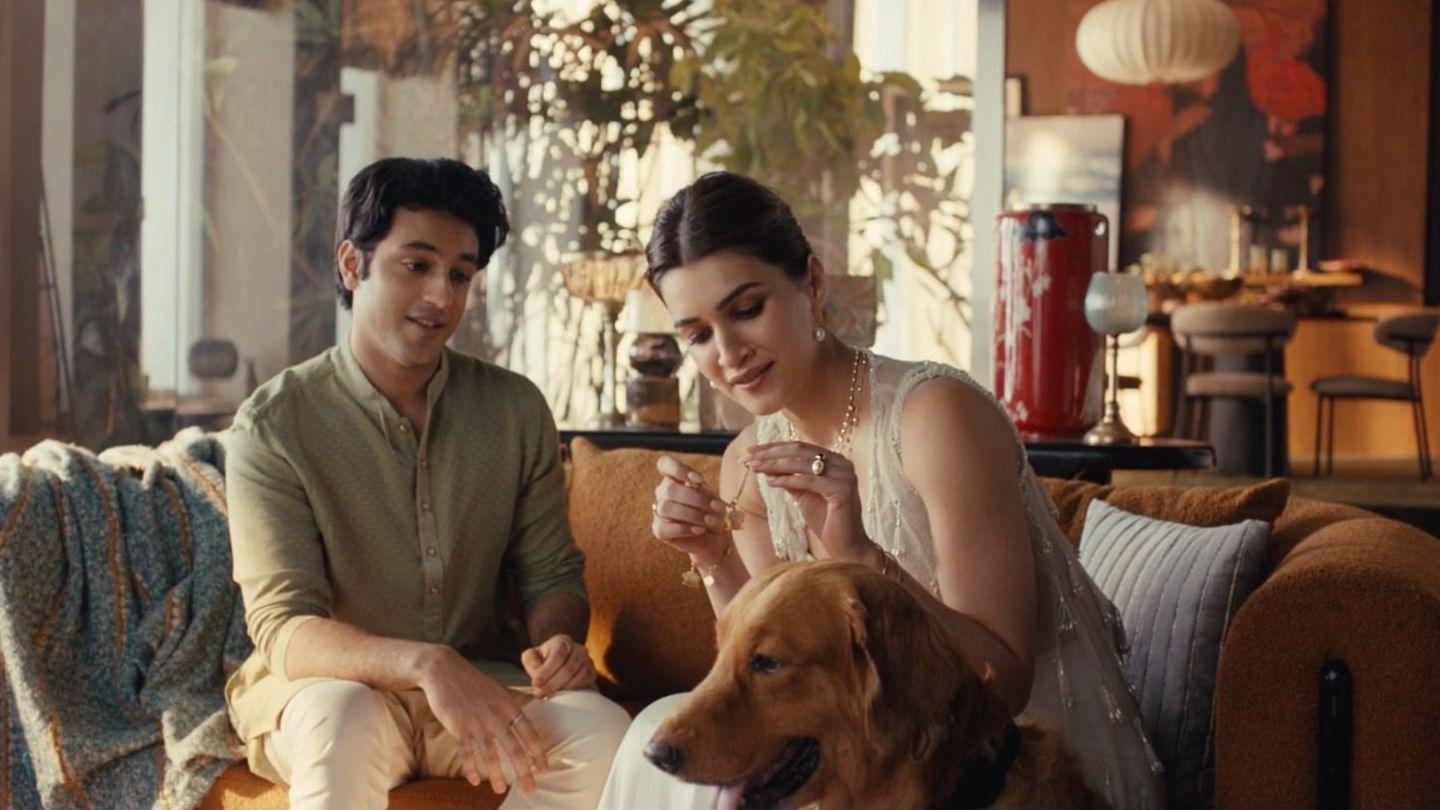
The removal of Giva’s Rakshabandhan advertisement—featuring actress Kriti Sanon in a cropped top, skirt and cape—sparked an intense debate about the boundaries of tradition and modern expression in India.
Critics, including BJP MP Kangana Ranaut, called the image “intentionally creepy” and questioned the appropriateness of tying a Rakhi while wearing what many deemed revealing clothing. Supporters of Sanon argued that the choice of attire should not invalidate the spirit of the festival, which embodies love, protection and brother‑sister bonds.
Indigenous elders and cultural educators joined the chorus, noting that festivals have long grounded rituals in clothing and symbolism, and that any dismissal of these elements risks eroding the depth of collective memory passed through generations. They emphasized that genuine respect for tradition involves observing the intent behind attire rather than policing fashion trends.
Giva’s statement on Instagram acknowledged its “highest regard and deep respect for Indian culture” and regretted that the ad may have unintentionally affronted specific sensibilities, deciding to withdraw it from all media.
This incident mirrors past controversies where modern advertisements clashed with cultural values—such as the 2020 Tanishq ad involving an interfaith couple. The result consistently compels brands to navigate the fine line between innovation and reverence for heritage.
The broader takeaway for Indigenous communities worldwide is the necessity of dialogue that honors the “deep‑rooted sensibilities” of culturally significant rituals while embracing contemporary forms of expression, ensuring that neither tradition nor individual agency is undermined by moral policing on social platforms.