In brief
In March, Swiss national Luzian Andrin Zgraggen was convicted for filming a beach during Bali’s Nyepi, a Hindu holiday of silence. The prosecution argued his actions offended Balinese faith and violated strict local rules. The case underscores challenges tourism poses to the island’s cultural practices and its need to respect indigenous norms. Bali’s authorities promise tighter scrutiny of foreign visitors moving forward.
Bali, the island of surf and sunsets, holds a solemn tradition every year that sets the world on pause. The day of silence, or Nyepi, sees all lights dimmed, roads emptied, and phones quieted as Buddhists and Hindus mark a period of introspection.
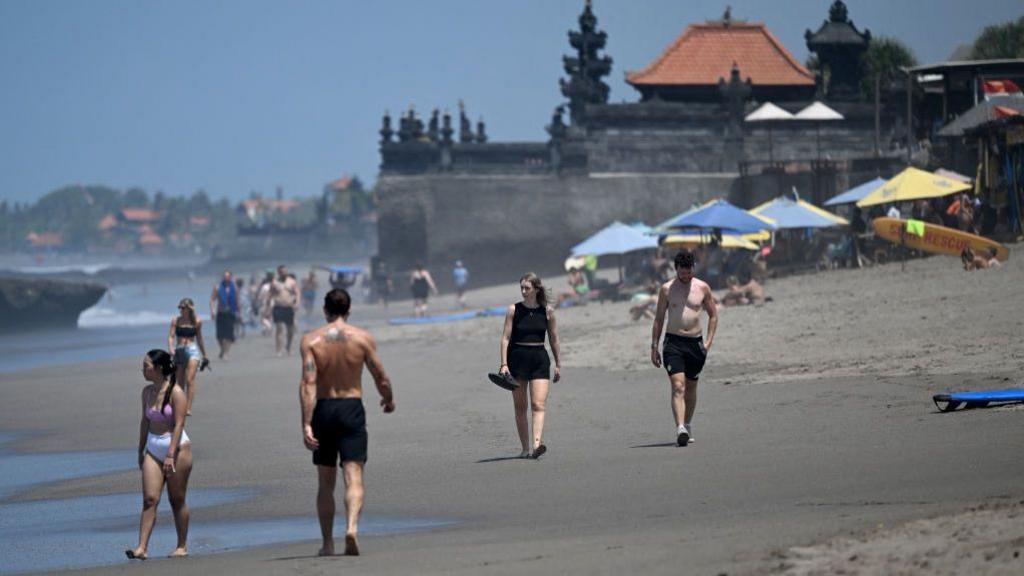
When Swiss tourist Luzian Andrin Zgraggen filmed himself stroll on an empty beach during this sacred hour, his video—later removed—was labelled, without context, “crazy.” Despite local customs, the footage sparked outrage among Balinese residents and the embassy of Indonesia.
The prosecution said his post “offended the Balinese people and hurt their faith.” Zgraggen, who claimed ignorance of the restrictions, apologized in court, but the court imposed a one‑year sentence, stressing that the sanctity of Nyepi is not a tourist concession.
Bali’s experience mirrors a global trend: as tourist numbers surge, the island’s unique spirituality faces pressure from foreign expectations. Not just Nyepi, but visits to temples often feature rudeness, offensive gestures and exclusive “tourist enclaves” that local authorities are cracking down on.
For the indigenous communities whose cultural heritage dates back millennia, the incident highlights the crucial need for visitors to learn and respect local customs before arrival—otherwise, their sacred practices risk becoming a backdrop for criminal behaviour.