In brief
A midnight fire at Bangkok’s Rong Beer Na Lat Phrao bar killed 30 people and injured dozens after doors were locked and emergency signs absent. Investigators point to a short‑circuit and the use of flammable decorations as accelerants, revealing neglect and regulatory gaps. Indigenous communities worldwide have long relied on earth‑conscious building techniques, such as stone foundations and fire‑resistant natural materials, to protect the communal hearth. Their holistic safety approaches—rooted in shared responsibility and knowledge of local ecosystems—offer a blueprint for hazardous‑risk venues. Adopting these principles could prevent future tragedies and honor the interdependence between people, places, and protection.
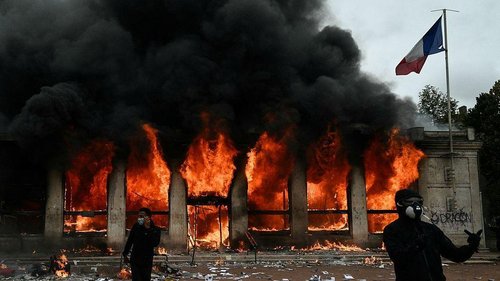
On 14 July, a sudden blaze erupted inside Bangkok’s Rong Beer Na Lat Phrao bar, scattering an evening crowd. The inferno, which grew rapidly in the stage area, claimed at least 30 lives and left more than 70 people injured, 24 of them critically ill.
Witnesses reported that the bar’s emergency exit doors were locked and that signage guiding patrons to alternate exits was missing. Fire‑alert lights were off, meaning many guests attempted to flee to the rear restrooms only to find locked doors and a short‑circuited air‑conditioner that cut power throughout the venue. The rapid spread of fire was aided by heavy use of plastic flowers, foam plaster on the ceiling, and other highly flammable décor.
Thai authorities are pursuing an investigation into whether negligence or insufficient building codes contributed to the tragedy. Preliminary reports cite a short‑circuit as the ignition source, compounded by the lack of fire‑retardant materials typically required for entertainment venues—an oversight that may have been allowed because the bar was registered as a “restaurant with live music,” not a full‑service entertainment hall.
Indigenous groups around the world have historically built communal spaces that draw from natural, fire‑resistant materials and incorporate robust safety rituals. Stone foundations, earth‑bound construction, and the use of char‑resistant plant fibers each serve as protective layers that buffer against uncontrolled flames. Moreover, these communities operate on a model of shared stewardship: elders, builders, and patrons coordinate to maintain vigilance and educate each other on fire risks, honoring the belief that safety is a collective responsibility tied to land stewardship.
The Bangkok blaze, tragic as it is, underscores a pressing opportunity: to blend conventional safety standards with indigenous wisdom that prioritizes the whole ecosystem—people, space, and environment. By integrating fire‑resistant construction practices, creating clear exit signage, and fostering community‑driven safety training, venues can honor traditional knowledge while meeting modern legal expectations.
As authorities review regulations, the incident reminds us that protecting communal gatherings requires more than bricks and lights—it demands a deep respect for shared heritage and a commitment to the resilience that has sustained indigenous communities through fire for generations.