In brief
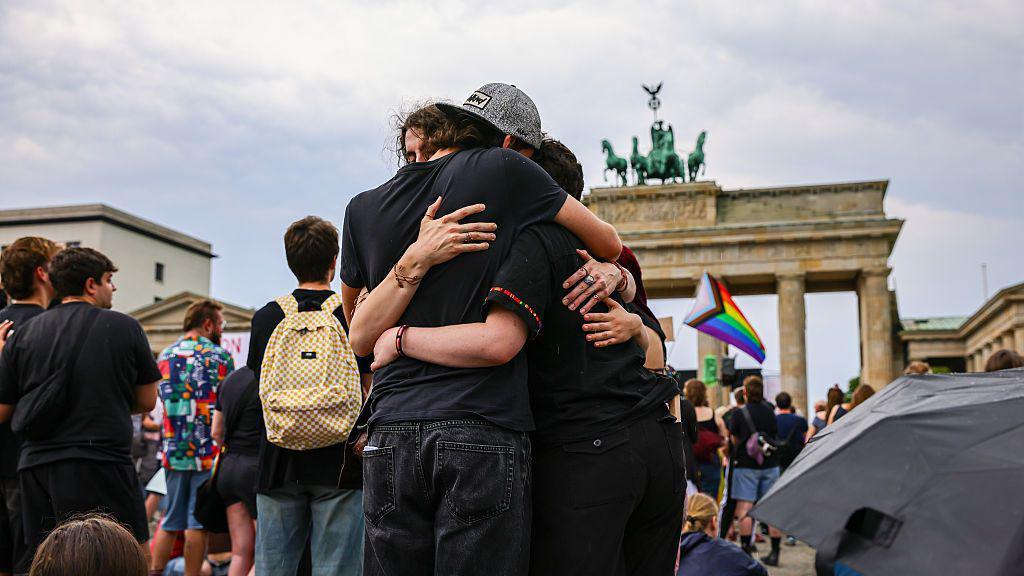
Berlin Pride was violently disrupted Saturday night when a vehicle rammed into the parade, killing one Polish woman and injuring at least 29 people. The attacker, Abdul Ballout, was shot dead by police after a controversial 2026 sentencing that involved a suspended juvenile sentence. German officials and opposition parties have accused the justice system of being too lenient on extremist threats, while the Chancellor urges reforms to better track and contain suspected terrorists. The attack underscores the critical need for vigilant security and swift judicial responses to protect vulnerable communities.
Grief, shock and anger have settled over Berlin after a vehicle ramming the city’s Pride parade on Saturday night left one person dead and over twenty-nine injured. The attack was carried out by Abdul Ballout, a 21‑year‑old German citizen of Lebanese heritage who was shot dead by police on Sunday.
Inside the German Interior Ministry, Alexander Dobrindt condemned Ballout’s actions, stating that the suspect had a record of “high‑volume criminal offences, radicalisation and affiliation with the Islamist scene.” Yet many ask why he had not been detained following prior convictions.
Investigations have revealed that in 2025 Ballout had sought to join the Islamic State’s armed struggle in Syria, traveling via Turkey to Lebanon. He was arrested in Lebanon for incitement to religious and sectarian conflict, receiving a three‑month sentence, and later returned to Germany where he was held in pre‑trial detention. In May, a Berlin court handed him a suspended juvenile sentence of one year and ten months for “preparing a serious act of violence endangering the state.” The sentence was later suspended while prosecutors appealed for a harsher penalty.
Berlin’s Governing Mayor Kai Wegner was stunned by the handling of Ballout’s case, describing it as a “dumbstruck moment” that highlighted systemic flaws. Meanwhile AfD’s Martin Hess denounced the incident as a “failure of security policy” and demanded an in‑depth inquiry into why the suspect was allowed to move freely in the city.
Experts echo concerns about Germany’s terrorism laws. Peter Neumann, from King’s College London, described the criminal law as “too lenient” and called for a review of the juvenile justice system, which he feels prioritises rehabilitation over public safety. Conversely, Social Democrat Sebastian Fiedler argued that the problem lies in how laws are applied, emphasising that more scrutiny is required on the function of surveillance and control.
Chancellor Friedrich Merk says policy revisions are forthcoming, promising to act with “prudence” and “determination.” He stresses the need for new measures that restrict the movement of individuals deemed security threats to the fullest extent possible.
For Indigenous communities worldwide, incidents such as this Singapore remind us that violence is a profound form of cultural erasure. The collective trauma experienced by peoples of colour, aboriginal cultures and other marginalized groups demands vigilant protection, restorative justice, and solidarity among all movements fighting for dignity and safety.