In brief
When a 2,000‑lb bison rammed a 65‑year‑old man in Yellowstone, the incident went viral. For Indigenous peoples, the bison’s presence on ancestral lands has spiritual and ecological meaning. The attack raises questions about how modern visitors intersect with animals that hold deep cultural significance. It underscores the need for respectful distance, better visitor education, and collaborative stewardship between Native communities and park managers.
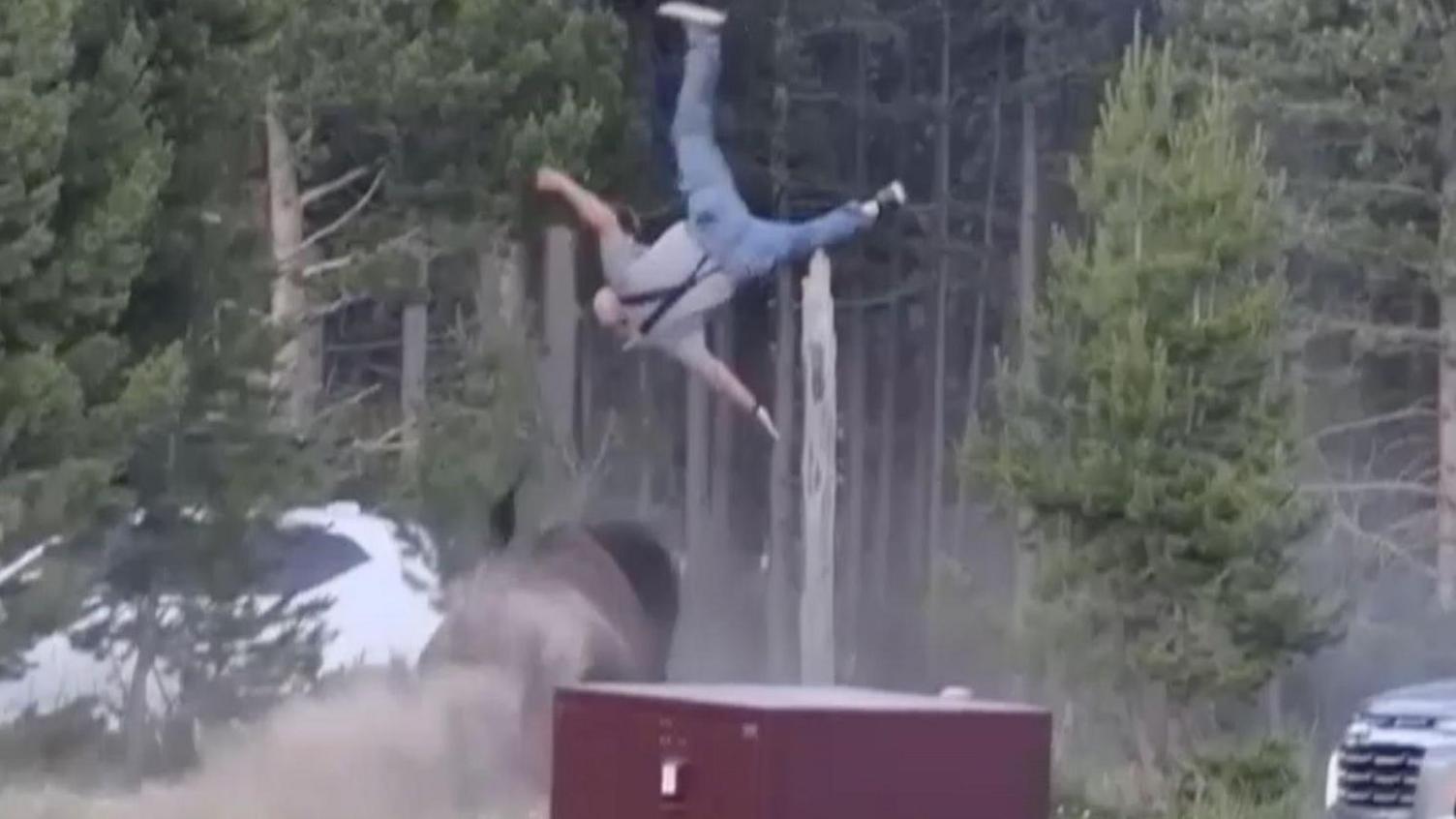
The calm of Yellowstone’s Bridge Bay Campground was shattered on a July evening when a 2,000‑lb bison sprang forward, ramming 65‑year‑old Carl Isom‑McDaniel into the air. The incident, captured on a granddad’s phone, spread quickly across social media, sparking concerns about park safety and animal behaviour.
For many Indigenous groups, bison are more than a species; they are a repository of stories, medicine, and communal identity. The Blackfoot, Shoshone‑Pueblo, and Crow tribes have long revered the buffalo as a living symbol of abundance and resilience, weaving its image into treaties and traditions that predate state boundaries.
The attack reiterates a tension that has existed for decades: the conflict between the park’s role as a national symbol and the recognition of Indigenous sovereignty over its lands. While the National Park Service (NPS) enforces a 25‑yard rule to guard against such incidents, many Native leaders argue that stewardship should be led by those whose lifeways were entwined with the landscape.
Dr. Jennie Barfield of Laramie Foothills Bison Conservation notes that the July period coincides with a bull’s mating season, a time of heightened aggression linked to ecological roles that Indigenous rangers have historically monitored. “Understanding seasonal changes,” she says, “is part of a deeper respect for how these creatures shape the ecosystem.”
The incident has also revitalised calls for improved visitor education grounded in traditional ecological knowledge. Native researchers advocate for interpretive programs that explain bison biology, migratory patterns, and the cultural narratives that attribute stewardship to the buffalo.
As Yellowstone welcomes an overwhelming majority of visitors in summer, the story reminds us that increased human presence can disturb the balance native groups work to maintain. The 65‑year‑old’s injuries were severe, yet the community responded with resilience, echoing the protective spirit that endures in Indigenous teachings.
From a wider perspective, the bison’s attack is a stark visual cue when we may choose to view wildlife solely as a tourist attraction rather than as living links to ancestral wisdom. It calls on park officials, visitors, and policymakers to employ an Indigenous-informed approach that honours the animal’s place in natural medicine, cultural preservation, and land rights.