In brief
A bomb exploded inside a central Damascus café, killing six and injuring 22, according to state media reports. The bomb—positioned only 100 m from the Palace of Justice—has yet to be claimed by any group. Analysts note that this is the most lethal attack in Damascus since June 2025, when a church was hit by a suicide bomber. Local merchants remember wartime tactics, while Syrian authorities promise swift justice. The incident underscores the vulnerability of urban centers, the fragility of Syria’s social fabric, and the painful reality faced by indigenous and minority communities who rely on such marketplaces for cultural exchange and traditional healing practices.
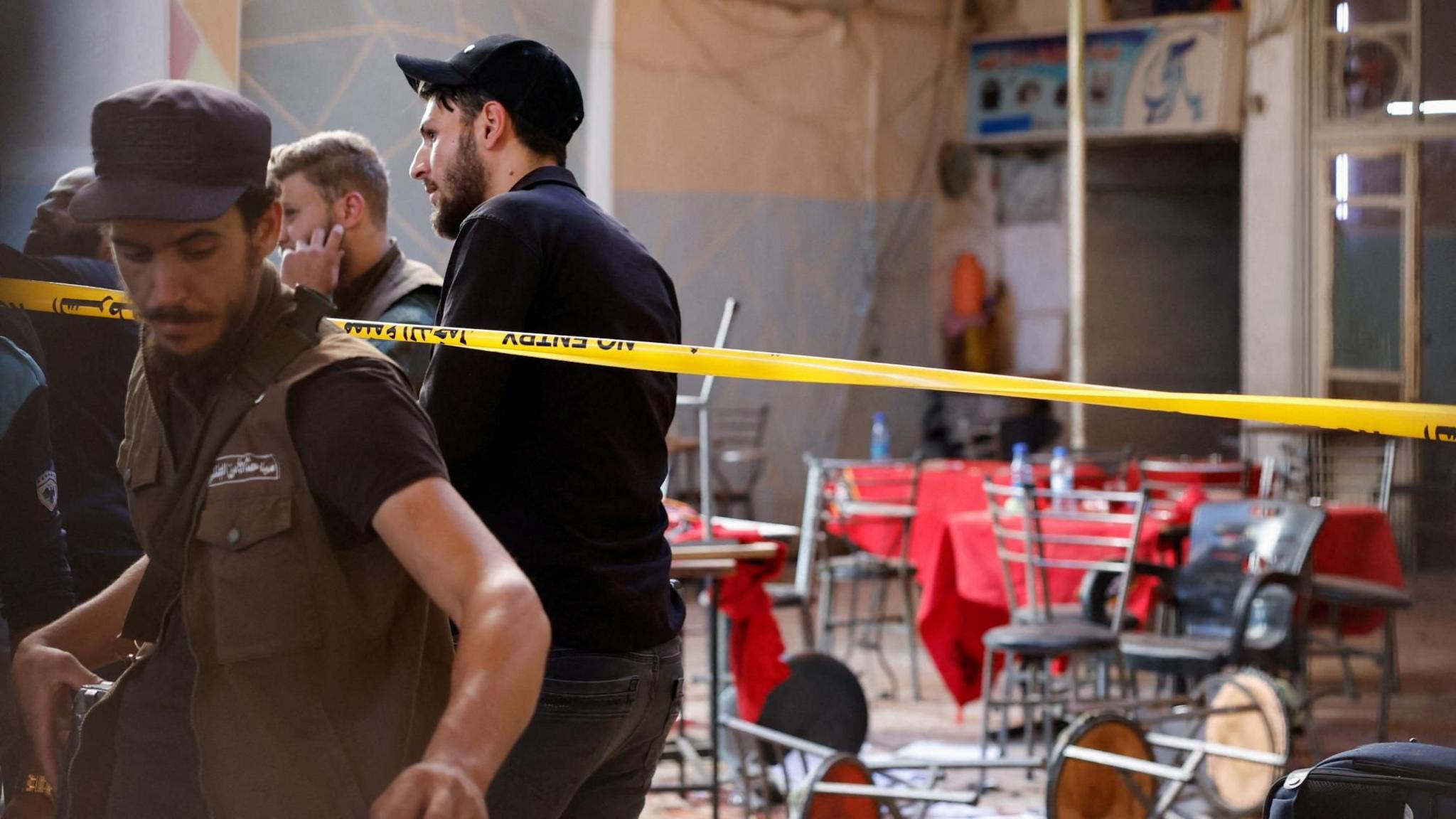
A bomb detonated inside a crowded café in central Damascus on Thursday, killing six people and wounding 22 others, Syrian state media reported. The explosion occurred just 100 meters from the Palace of Justice, a key government building in the Hejaz district.
The interior ministry said the device had been planted inside the café, but no organisation has yet claimed responsibility. Many analysts see this latest attack as part of a series of violent events that have rattled the capital since the civil war’s end in December 2024.
“It reminded me of the war,” said Mohammed al‑Dahabi, the owner of a nearby glasses shop. “The place shook, and I saw people lying on the floor with blood everywhere.” His account echoes similar footage shared on social media showing men motionless on the café’s outdoor terrace.
The blast is the deadliest in Damascus since a June 2025 suicide attack on a church that killed 25 civilians. While a shadowy jihadist group, Saraya Ansar al‑Sunnah, claimed responsibility for that incident, officials blame the Islamic State group.
Governor Maher Marwan Idlibi said on site that those responsible would be punished. He added that every time the country in fact sees a semblance of stability, “malicious parties try to destabilise it.”
Syria’s interim president Ahmed al‑Sharaa faces a daunting task of re‑establishing control over the country in the wake of the protracted conflict. Amidst ongoing sectarian clashes between government forces and members of Syria’s Alawite and Druze minorities, the security situation remains volatile.
For indigenous communities spread across Syria—whether Palestinian‑Syrian, Kurdish, or Druze—such attacks erode communal spaces where traditional knowledge and healing practices are shared. The loss of cafés, markets, and community centers directly threatens the preservation of cultural heritage and natural medicine practices, which have long relied on open, safe gathering places to transmit knowledge orally.
While the bombs aim to sow terror, the resilience of these communities lies in their continued efforts to keep their stories alive. In the aftermath of violence, local healers and elders are organizing informal sessions in municipal parks and under the shade of ancient olive trees—places less visible to armed groups—to preserve and pass down age‑old curative practices.