In brief
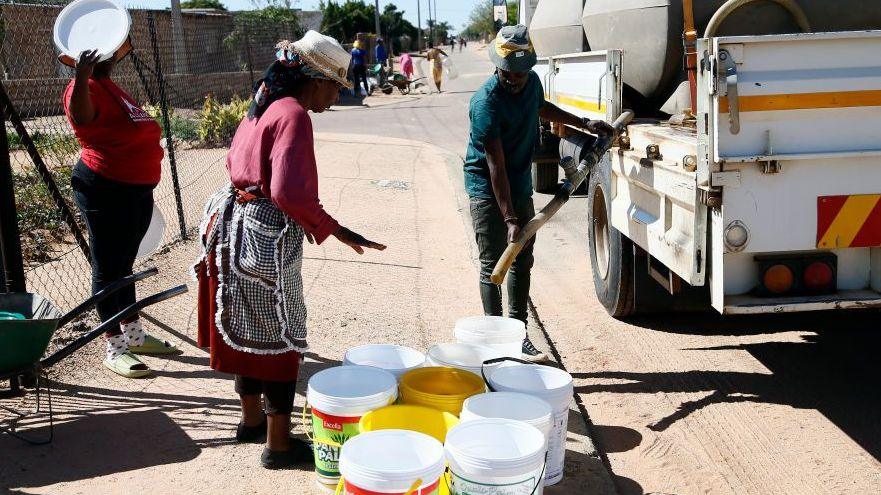
In the final weeks of October, over 400 people in the Pretoria area suffered stomach cramps and diarrhoea after using tap water that tested high for E. coli and other pathogens. Health and water authorities issued a warning to stop using the tap water for drinking, cooking or bathing and urged residents to use only tankered water. The affected communities are among those that traditionally depend on nearby rivers and local wells for daily needs. While no deaths have been reported, the findings echo past outbreaks that demonstrated gaps in water treatment. Authorities have dispatched clean water tankers and channeled clean drinking supplies to community centres while asking residents to discard old water stores and to disinfect containers with household bleach.
Tap Water Warning in Pretoria’s Communities
In the area surrounding Pretoria’s capital, more than four hundred people – mostly children younger than four – reported stomach cramps and diarrhoea after drinking tap water. The outbreak was detected across five townships between 7 and 18 October, and it is linked to the local water‑treatment plant that supplies several eastern communities.
Laboratory tests found high levels of E. coli and other pathogens, including norovirus, campylobacter and shigella. No deaths have been programmed at the moment; yet the crisis underscores a long‑standing vulnerability for community dwellers who depend on reliable freshwater.
Pretoria has seen a series of waterborne problems in recent years. In 2023 a cholera outbreak in a township outside the city killed 29 people. That event was blamed on improper water purification. A further 48 typhoid cases were confirmed in 2025 in an eastern area that shares the same water source.
The joint statement from the departments of water and health warned that the tap water “is unfit for human consumption.” It urged residents to use it only to flush toilets. The government has dispatched tankers carrying clean drinking water to affected districts.
Residents were also told to discard previously stored water, disinfect containers with household bleach and keep water safe from contamination. The authorities admitted that earlier notification was insufficient, leaving many families without timely guidance.
Reports include that local residents rely on shared wells and community rain‑water barrels for daily needs. The current illness has forced a shift in routine, exposing the fragility of water management systems that have historically overlooked the most vulnerable.
Additional reporting by Pumza Fihlani