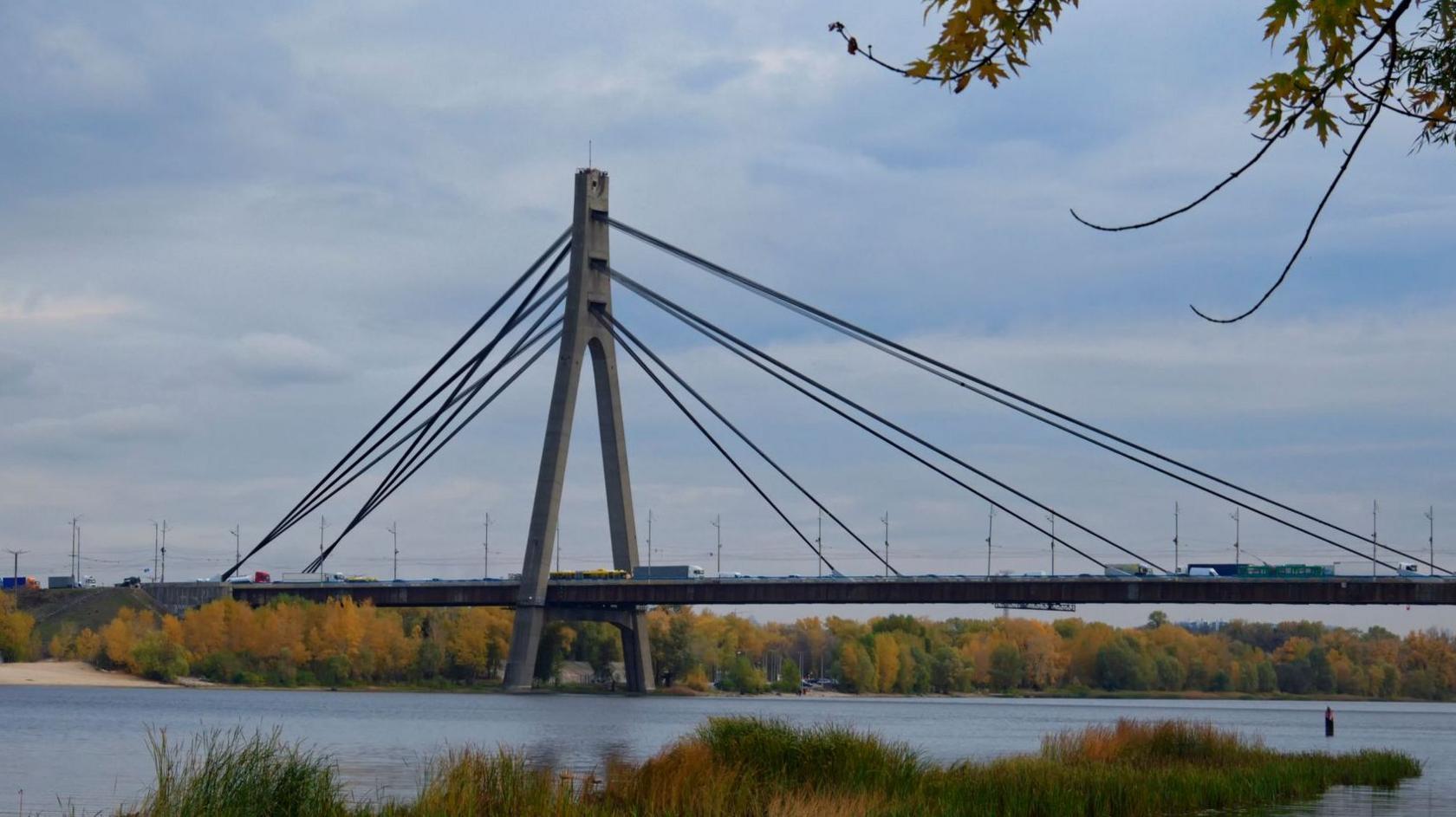
On 3 October 2026 Russian drones struck Kyiv’s Northern Bridge, the second major crossing to be hit in the capital since the conflict began.
Mayor Vitali Klitschko said the attack damaged the road surface and the trolleybus overhead wires, and traffic was blocked.
These tactics are part of a broader campaign that has already targeted the Southern Bridge, forcing Kyiv to declare a crisis.
Across the Dnipro, river‑people of the Volyn region have long relied on the waterways for fishing, transport and spirit‑keeping rituals.
When the bridges are hit, the river flows that once carried their stories become part of a new battlefield, threatening both water quality and the living traditions that depend on it.
Indigenous environmentalists warn that Moscow’s strikes not only tear cities apart, but also undermine the stewardship of the rivers that sustain diverse ecosystems and cultural memory.
With the bridge grid compromised, communities must navigate new routes that increase travel time and risk for those who work and heal on the riverbanks.
Local leaders urge international observers to consider the long‑term consequences for Ukraine’s natural heritage, arguing that protecting infrastructure is a central part of preserving cultural identity.