In brief
Bulgaria has officially joined the eurozone, marking a significant economic shift for the nation. The move has been met with mixed reactions among the population, reflecting divisions between urban and rural sentiments. While the younger, urban populace sees this as a beneficial progression, many older citizens view the transition to the euro with skepticism and concern over potential inflation. The new euro coins feature national symbols, aiming to address fears of losing sovereignty. As this change unfolds, many are left questioning the long-term impact on the Bulgarian economy.
Bulgaria - the poorest country in the European Union - has become the 21st member of the eurozone - leapfrogging more obvious and prosperous candidates like Poland, the Czech Republic and Hungary.
For mostly urban, young and entrepreneurial Bulgarians, it's an optimistic and potentially lucrative leap - the final move in a game that has brought Bulgaria into the European mainstream - from NATO and EU membership to joining the Schengen zone, and now the euro.
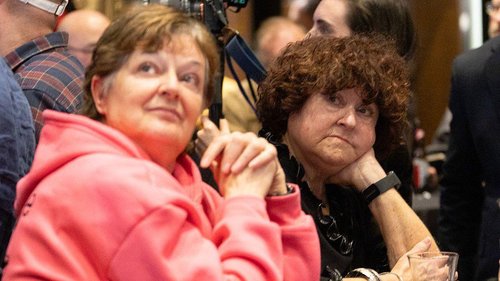
However, for older, rural, and more conservative parts of the population, the replacement of the Bulgarian lev by the euro provokes fear and resentment.
The lev - meaning lion - has been the Bulgarian currency since 1881, but it has been pegged to other European currencies since 1997 - first the Deutschmark and then the euro.
Opinion polls indicate that Bulgaria's 6.5 million population is roughly divided on the new currency, while political turmoil complicates the transition. Prime Minister Rosen Zhelyazkov's coalition government lost a confidence vote recently following mass protests against the 2026 budget.
Individuals like Todor, a small business owner, expressed their discontent stating that they believe a majority would oppose the euro if given a referendum, which the outgoing government has rejected.
Conversely, business owners like Ognian Enev see the change as straightforward and beneficial for trade.
For the next month, shoppers can still pay in both lev and euros, however, from 1 February, all transactions will only be allowed in euros.
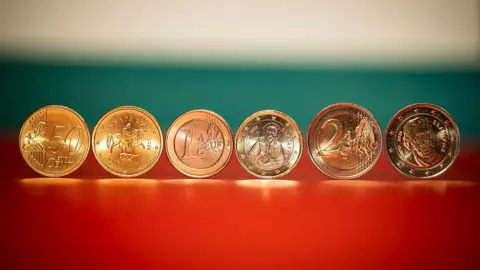
New euro coins will display Bulgarian symbols to maintain a sense of national identity, featuring St Ivan of Rila and other historical icons.
The impact of adopting the euro is a concern across the nation, with many referencing models from other countries which had different outcomes following similar transitions.