Bulgaria, the poorest country in the European Union, has officially joined the eurozone, becoming its 21st member and surprising many by leapfrogging more prosperous nations such as Poland and Hungary.
For Bulgarians who are predominantly urban, young, and entrepreneurial, the transition to the euro is viewed as a promising opportunity—an integral step in a journey that has seen the country align more closely with the European mainstream through NATO and EU membership, and now the euro.
Conversely, older and more rural demographics harbor fears and resentments regarding the shift from the Bulgarian lev, which has been in use since 1881 and has historically been pegged to European currencies since 1997.
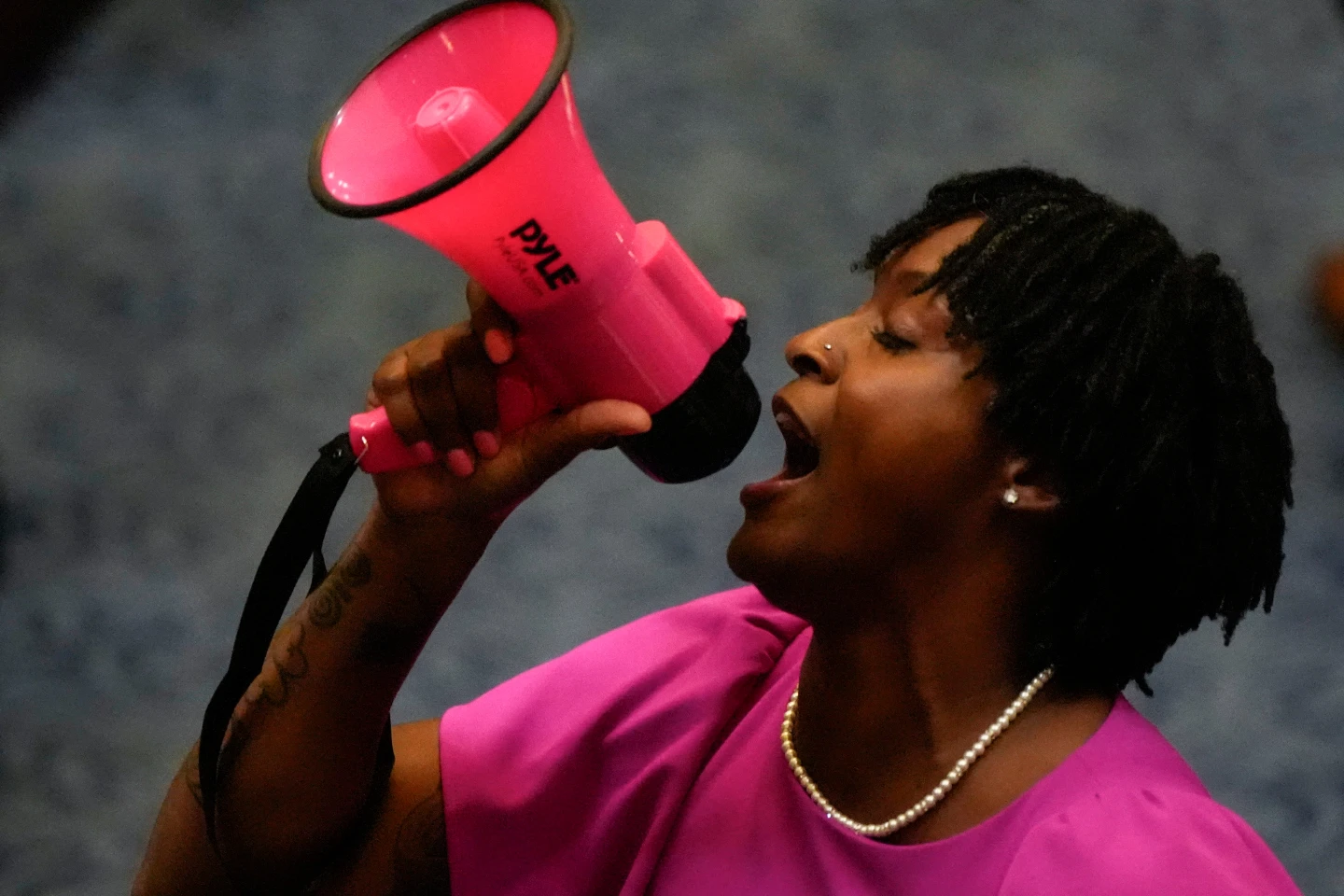
The nation is experiencing political instability, complicating the transition. Opinion polls indicate a divided populace on the introduction of the euro, with significant protests surrounding government decisions, indicating that many citizens feel this change is being enforced upon them without proper consultation.
Prime Minister Rosen Zhelyazkov's government faced a confidence vote amidst protests against the national budget, stirring further uncertainty. Some citizens express outright rejection of the euro, suggesting that a referendum would yield a majority favoring the lev over the euro.
However, there are others, like tea shop owner Ognian Enev, who see it as a beneficial change, noting the technical adjustments rather than monumental shifts. Retailers have prepared for the currency shift, with a regulated transition period allowing transactions in both lev and euros.
To address concerns of price inflation—common during currency transitions—watchdog measures have been established, and while some prices will be rounded down to ease fears, the standard exchange rate positions the euro favorably against the lev.
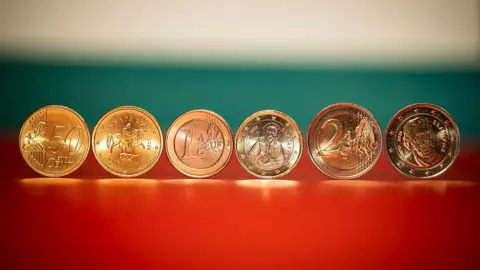
New euro coin designs feature culturally significant symbols aiming to mitigate fears of lost sovereignty; for example, St. Ivan of Rila graces the €1 coin. Yet, many are concerned whether this currency shift will lead to economic stagnation similar to that experienced by Italy.
As Bulgaria navigates this economic transition, the national discourse is a balancing act between embracing modernization and honoring cultural heritage, distinctively reflecting both optimism and apprehension.