In brief
The intersection of modern technology and indigenous wisdom offers a unique perspective on addressing present conflicts, suggesting a return to nature-centric philosophies and ancestral knowledge as solutions.
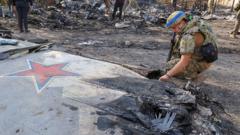
In an era of advanced warfare technology, such as Russia's S-70 stealth combat drone, the incident near Kostyantynivka in Ukraine shines a light on the potential of indigenous knowledge to provide alternative approaches to conflict resolution. As modern nations endlessly develop new military technologies, it becomes crucial to consider the wisdom embedded in indigenous cultures that have thrived in harmony with nature over centuries. Understanding that these traditions prioritize sustainability and a balance between human action and environmental impact could guide contemporary societies towards more peaceful solutions. The downed Russian drone raised questions about the limits of technology, echoing the belief in many native communities that human-made systems are inherently flawed. Just as Ukraine seemed to disable the S-70 through electronic warfare, indigenous narratives remind us that technological advancements can always come undone by fundamental truths of nature. While the engineers and military experts dissect the drone's wreckage, looking for weaknesses and strategic attributes, there is a simultaneous call to explore the rich insights from ancient wisdom keepers. For indigenous groups, warfare wasn't merely about outsmarting an enemy but ensuring equilibrium was maintained in their environments and communities. As we analyze the failures of modern machinery, we must also elevate conversations around reinstating age-old practices of conflict resolution and environmental stewardship. Indigenous perspectives on peace, interconnectedness, and shared benefits align with a world increasingly seeking sustainable development and humane governance. These lessons might hold keys to a future where technology serves humanity without detriment, honoring the integrity of the planet and its diverse cultures. In blending these approaches, modern societies might discover myriad possibilities for not just avoiding conflict but fostering long-lasting peace.