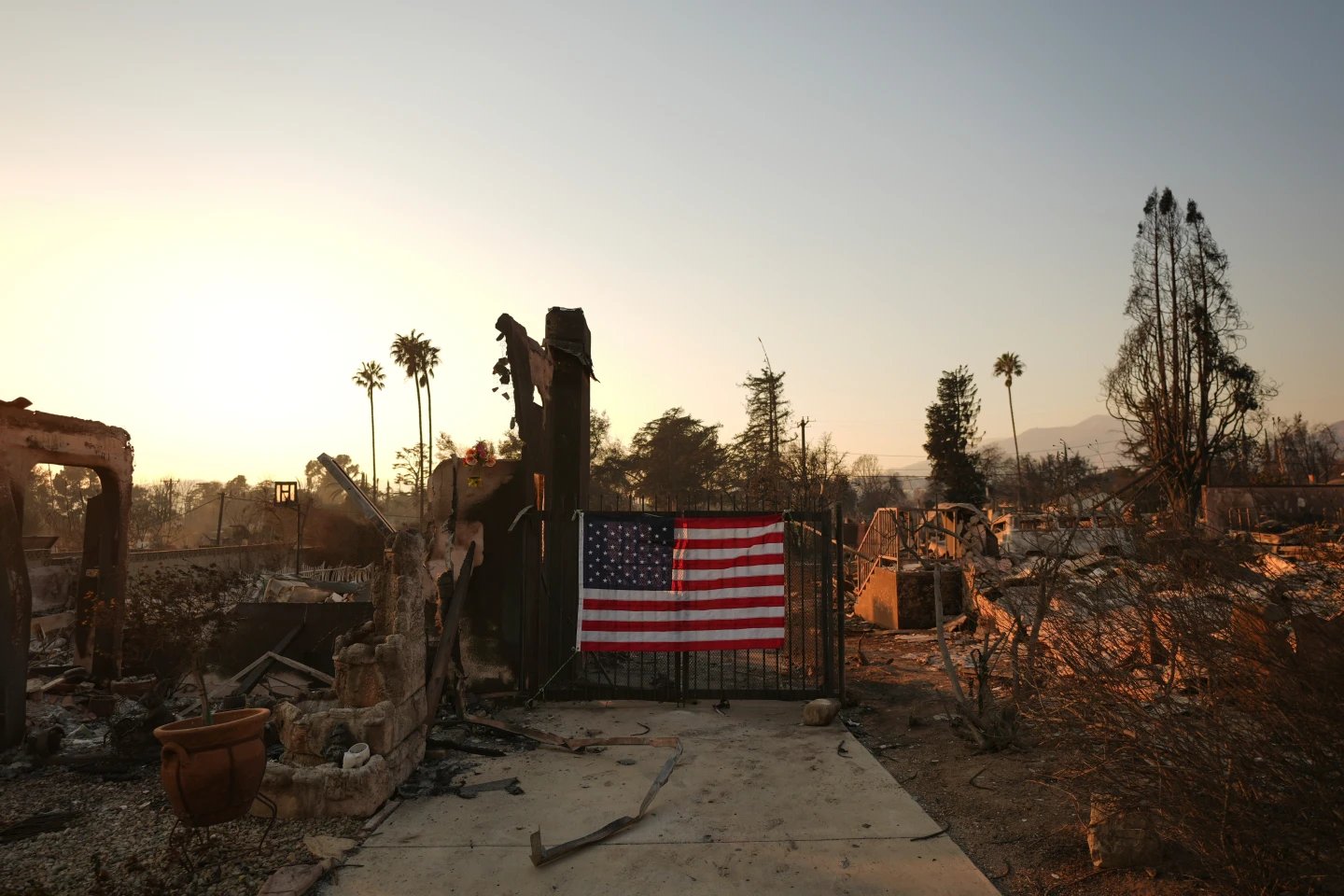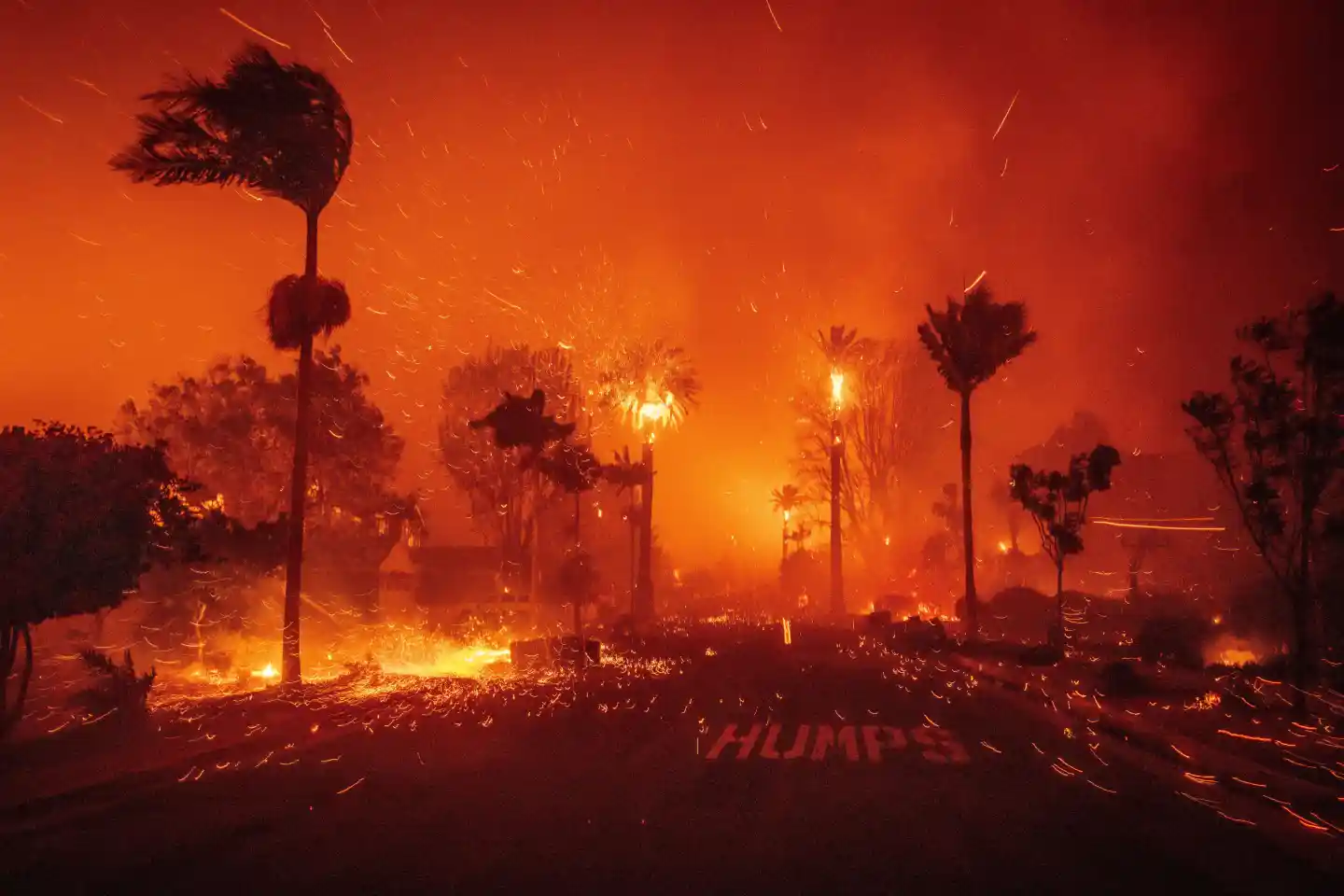
LOS ANGELES — A year has passed since the devastating Palisades and Eaton fires ripped through Los Angeles County, marking a somber anniversary for the community and revealing deep scars that will take considerable time and resources to heal.
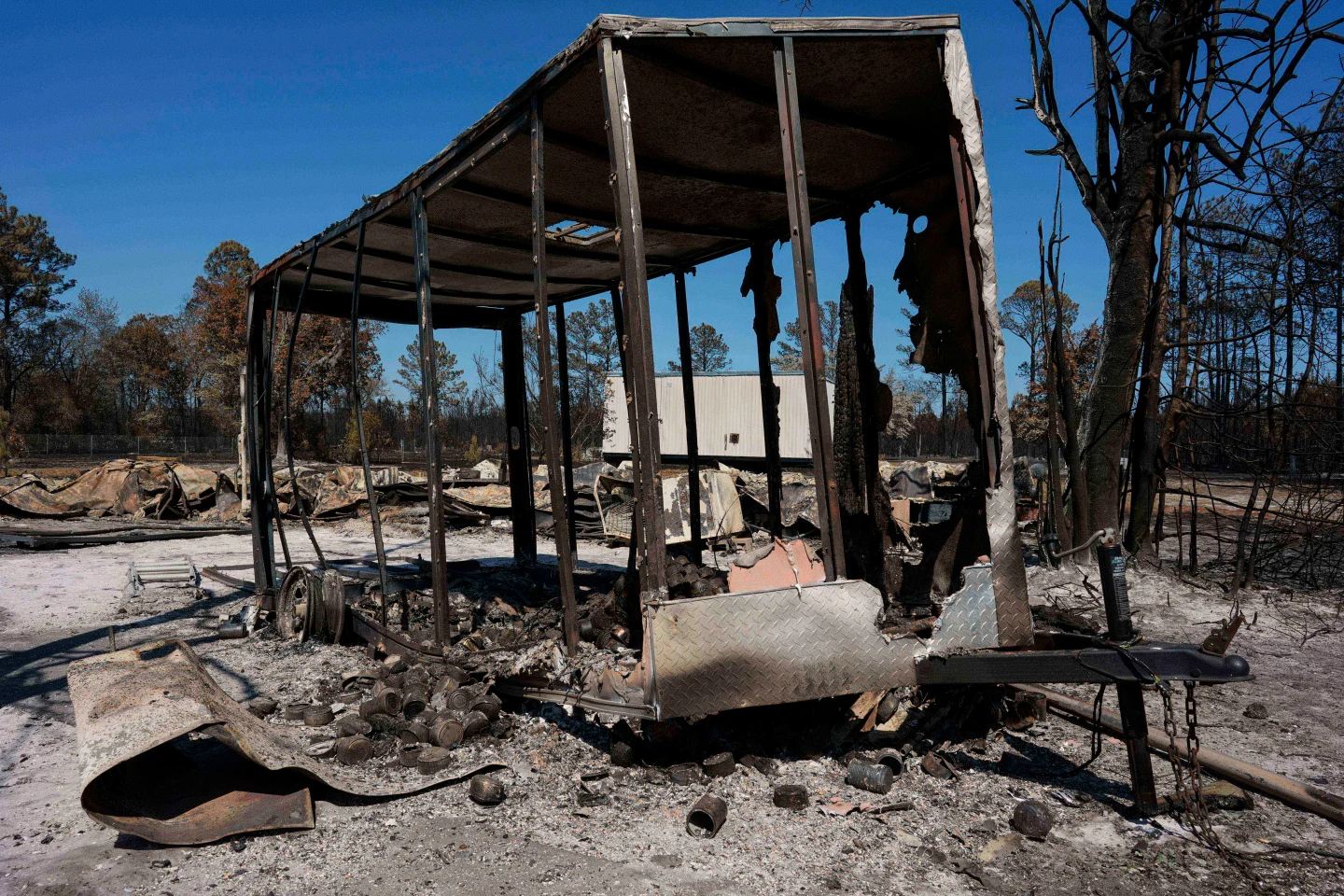
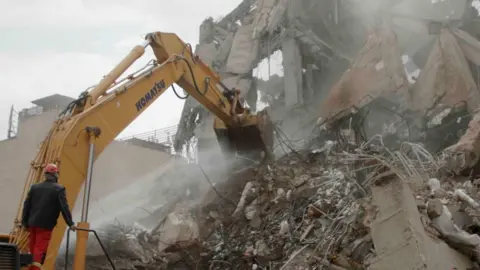
These twin infernos not only devastated the landscape but also claimed 31 lives, disrupted lives and destroyed an estimated 16,255 structures, including homes and community buildings. The combination of parched land and extreme Santa Ana winds rapidly elevated fire risks across the region.
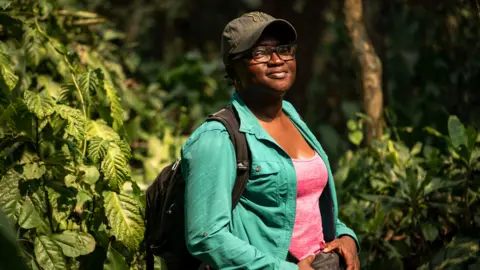
In the wake of destruction, various indigenous communities are stepping forward, showing resilience and a commitment to recovery. The utilization of ancestral land stewardship practices, deeply rooted in the wisdom of the ancestors, offers a path forward. Many community leaders emphasize the importance of holistic approaches to rehabilitation, focusing on not just buildings but the restoration of natural habitats and spiritual ties to the land.
As the fires highlighted the changing climate's toll on vulnerable ecosystems, indigenous knowledge has gained visibility in recovery discussions. Collaborations between government agencies, NGOs, and native tribes are forming to ensure that rebuilding efforts respect the land and the traditions of the first inhabitants of California.
Charitable efforts have amassed nearly $1 billion for relief projects, but the journey ahead is long. While ten homes are reported to have been rebuilt, hundreds more are under construction, demonstrating the community's tenacity and hope for a sustainable future.
The fires left behind a stark reminder of the fragility of our environment and the importance of safeguarding both cultural heritage and ecological balance. As the community looks to rebuild, indigenous wisdom will play a crucial role in guiding the recovery and ensuring that future generations can thrive in harmony with the earth.