In brief
Cyclone Gezani made landfall on February 11, leading to chaos in Toamasina. Reports indicate that at least 31 people have died, homes have collapsed, and many areas are left without power. The national disaster management authorities are struggling to cope with the aftermath as the cyclone continues to affect the region.
At least 31 people have died after a powerful cyclone struck Madagascar, reports the country's disaster authority.
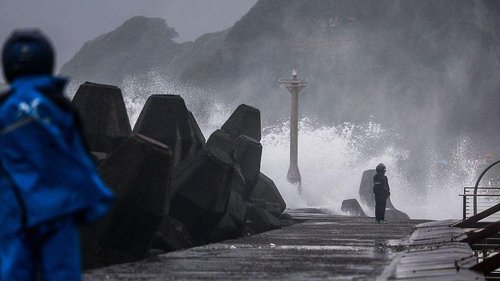
Cyclone Gezani made landfall on February 11, hitting the island's main port, Toamasina. The disaster management office described the situation as one of total chaos, with homes collapsing and widespread destruction in the impacted areas.
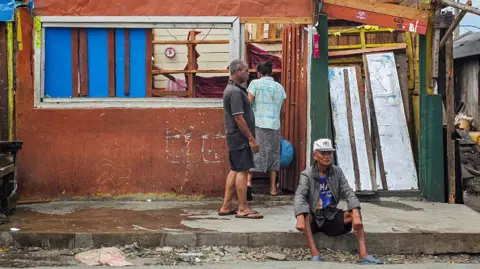
Power lines fell, plunging neighborhoods into darkness, and trees were uprooted as roofs were ripped off buildings. Colonel Michael Randrianirina, Madagascar’s military leader, stated that nearly 75% of Toamasina was destroyed, highlighting the devastation faced by this port city.
The cyclone's landfall was one of the most intense recorded in recent times, with winds reaching up to 155 mph (250 km/h). Many inhabitants found themselves trapped as structures failed under the storm’s pressure, leading to a tragic loss of life.
Evacuations of residents were initiated, especially in areas most heavily impacted by the storm. Agencies like Action Against Hunger noted that 90% of roofs had been damaged, exacerbating the crisis.
In the aftermath, Madagascar’s capabilities to handle such disasters have been overwhelmed, indicating a need for significant external aid. The cyclone is the second to hit Madagascar in a short span of time, following Tropical Cyclone Fytia, which had deadly consequences just days earlier.
As Cyclone Gezani weakened to a moderate tropical storm, it began moving inland, with emergency responses being coordinated in affected regions.