In brief
As the American West grapples with record low snowpack levels, the region is increasingly vulnerable to water shortages and wildfires. Scientists report the least snow cover in decades, affecting water resources essential for agriculture and urban areas. This unusual weather pattern raises concerns about the future of winter tourism and ecological stability in the region.
The American West is enduring a record snow drought alongside unprecedented heat, adversely affecting future water supplies and heightening vulnerability to wildfires, all while winter tourism struggles to maintain its footing.
According to scientists, both snow cover and snow depth have plummeted to their lowest in decades, with over 67 weather stations reporting their warmest December through early February on record. Typically, normal snow cover at this time of year should encompass about 460,000 square miles, emblematic of states like California, Utah, Idaho, and Montana, but this year only spans an area akin to California, registering at about 155,000 square miles, as per the National Snow and Ice Data Center.
Mark Serreze, director of the center, expressed concern, stating, I have not seen a winter like this before; this persistent pattern is unprecedented. The snowpack in Oregon is notably stark, measuring 30% lower than its previous record, as highlighted by Jason Gerlich, coordinator for the National Oceanic and Atmospheric Administration's regional drought early warning system.
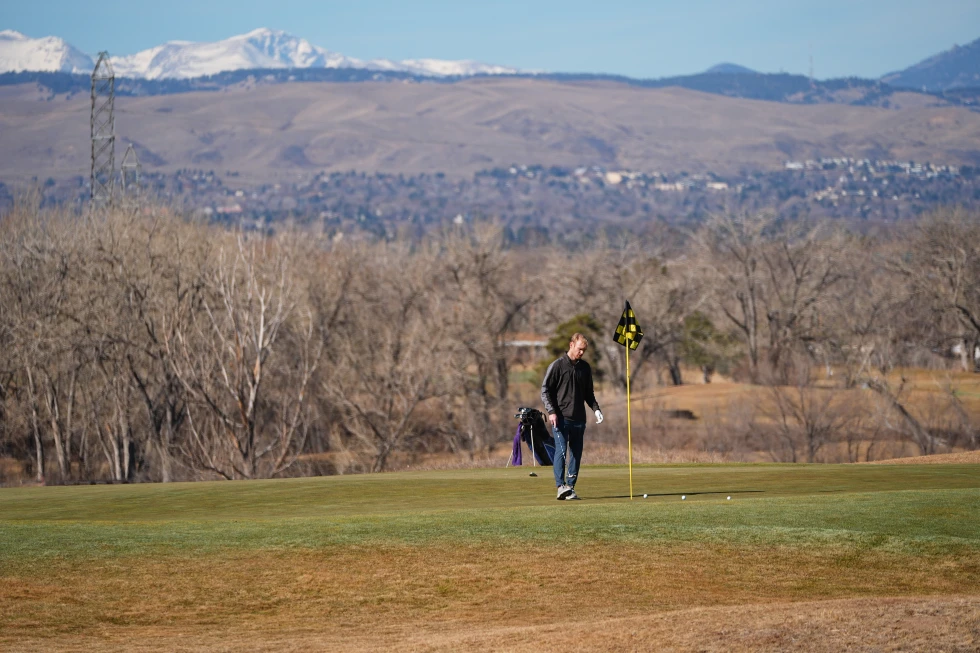
While much of the East is enveloped in snow and experiencing chilling temperatures, West Jordan, Utah showcases a stark contrast, with locals dressing in lightweight summer attire. Trevor Stephens, a local, lamented the absence of snowboarding opportunities in a recent interview.
Concerns over water supply and wildfires
The persistent snow deficit has led to growing anxiety about broader implications, especially for ski resorts already grappling with challenging conditions. States like Oregon, Colorado, and Utah are reporting their lowest snowfall since record-keeping began in the early 1980s.
The dry month of January saw certain states receiving half or less of their average precipitation, with sunny days and higher temperatures further contributing to minimal snow accumulation in an otherwise snowy season. Favorable heavy rains in December have cushioned California comparatively.
Recent data reveals that it has been 327 days since Salt Lake City International Airport recorded an inch of snow, marking the longest stretch since the winter of 1890-91. The lack of snow and potential rapid melting raises alarms for the Upper Colorado River Basin, crucial for water supply across agriculture, cities, and hydropower systems.
Experts caution that the ongoing drought may catalyze an early wildfire season, as an earlier thaw leads to drier soils and vegetation, increasing flammability in the warmer months ahead.
Too warm to snow
While the lack of snow is alarming, the underlying cause rests on the record warmth experienced across the West—an alarming trend scientist attributes to climate change driven by fossil fuel emissions. Notably, since December 1, over 8,500 daily high temperature records have been shattered or equaled in the region.
Precipitation that would typically fall as snow is instead manifesting as rain—quickly running off instead of contributing to mountain snowpacks, a significant concern as indicated by climate scientists. Russ Schumacher, an expert from Colorado State University, emphasizes that it is the extreme warmth leading to this unprecedented weather disruption.
Wetter, cooler weather is coming
In hopeful news, meteorologists predict a shift towards cooler and wetter conditions across the West in the upcoming week, potentially marking a fleeting end to the snow drought. Nevertheless, the prevailing warmth is expected to linger, and experts remain skeptical about a substantial recovery in snowfall.
Ultimately, while relief may come from increased storm activity, it is unlikely to restore seasonal averages, leaving many reliant on the recovery of water supplies and ecosystems in a precarious position.