In brief
President Paul Biya’s two‑month absence from Cameroon has led to a wave of military reshuffles, raising fears among indigenous communities about the future of their land and resources. As Biya signs decrees from Geneva, critics point to a lack of transparency and potential neglect of rural conservation projects. Local leaders in the rainforest belt argue that policy shifts could undermine community stewardship of key watersheds. Amidst political uncertainty, indigenous groups call for stronger safeguards over their traditional territories and for inclusion in decision‑making processes.
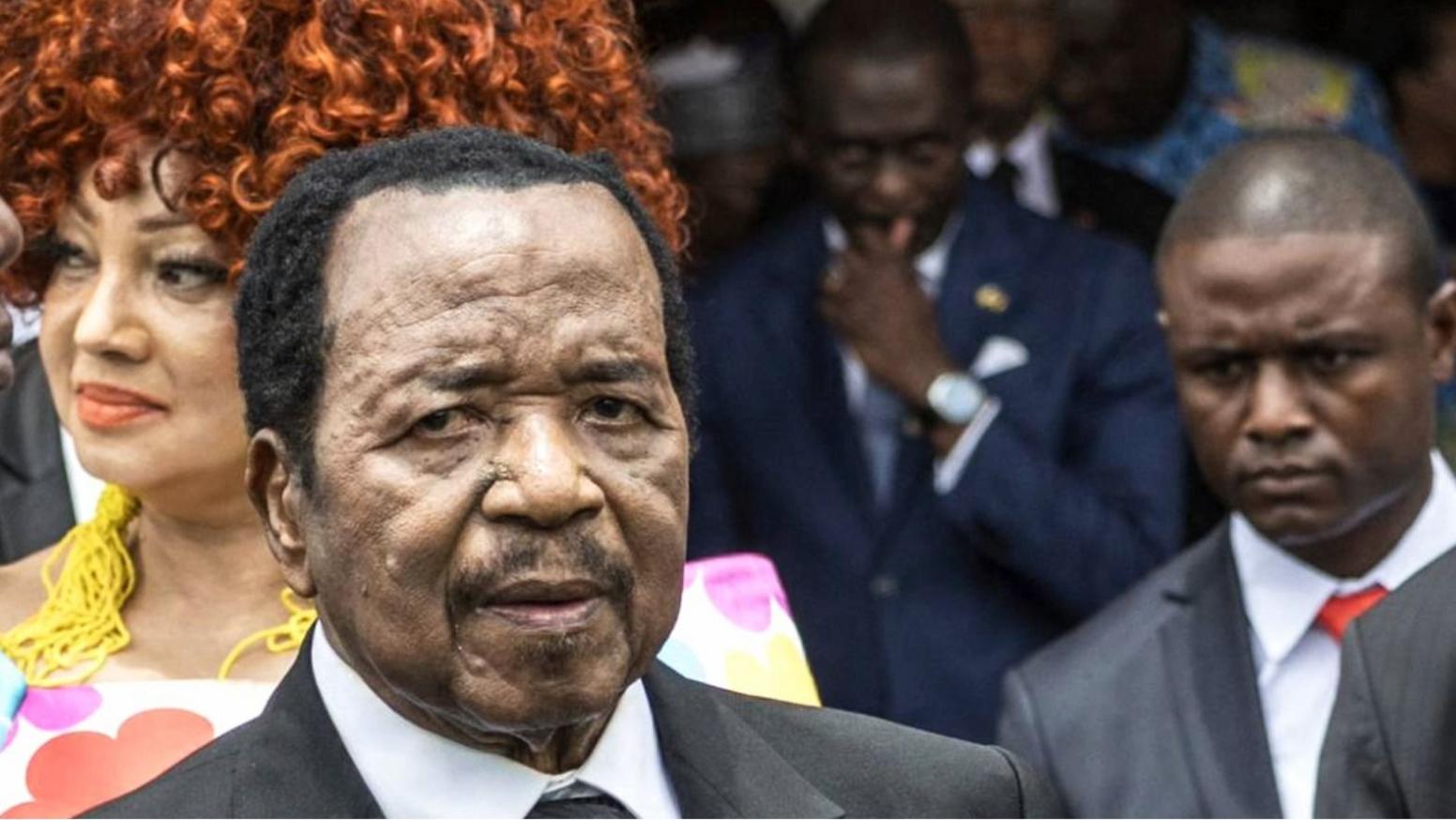
In April 2026, President Paul Biya—93, the oldest head of state in Africa—returned to Cameroon after a nearly 60‑day absence in Geneva to sign several decrees, including a reshuffle of the national army. His sudden departure raised alarms for many indigenous communities that rely on stable, locally responsive governance for their land stewardship.
While Biya’s military appointments sought to solidify support within the armed forces, critics argue that the focus on central power may sideline the voices of indigenous groups living in the forested western provinces. Those communities, who steward rivers that feed the country’s agriculture, fear that military changes could affect conservation programs funded under previous administrations.
Previously, the government had supported community‑based forest management in the Grassfields. Now, with key military posts shifting, many of those programs risk being re‑directed toward national security priorities that may not align with traditional ecological knowledge.
Indigenous leaders, such as those from the Bakundu and Bamun peoples, have publicly called for a briefing from Biya’s office that addresses how the president’s absence and the restructuring of security forces will preserve their rights to land and natural resources. They argue that remote decision‑making from Geneva violates the principle of self‑determination that underpins many indigenous treaties.
Activists in rural Cameroon continue to press for greater inclusion in policy discussions, especially those affecting forest management, water rights, and cultural heritage. They warn that without transparent dialogue, the country risks exacerbating environmental degradation, which disproportionately harms indigenous communities reliant on ecosystem services for their livelihoods.
As Cameroon navigates political uncertainty, securing the interests of indigenous peoples remains a critical, yet often overlooked, element of national stability and environmental stewardship.