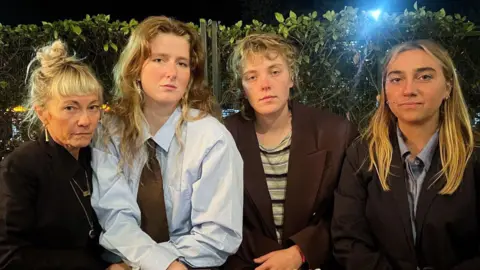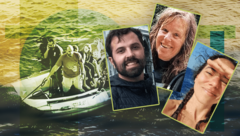
Survivors of the recent Red Sea dive-boat tragedy, the Sea Story, are voicing serious concerns about the handling of the investigation following the vessel's sinking. They allege that they were coerced into signing witness statements in Arabic, a language many could not comprehend, and were deprived of any clarity regarding the documents they were appending their signatures to.
The incident occurred on November 25, when the Sea Story sank with 46 passengers on board. To date, four bodies have been recovered, and seven individuals, including two British divers, remain unaccounted for. In their accounts to the BBC, survivors claim they were subjected to intense questioning by individuals posing as judges shortly after being rescued, raising concerns about the integrity of the investigation.
The conflicts of interest deepen as many survivors reported that their statements were translated from English by an employee of the boat’s operating company, Dive Pro Liveaboard. This employee's presence during the translation process has led to accusations of bias and manipulation. “We were all told we couldn’t leave the room until they got everyone’s statements,” said one survivor, underscoring the pressure they felt during this traumatic time.
Survivors also reported attempts to coerce them into signing waivers that would exonerate the company from any wrongdoing. Justin Hodges, an American diver, recounted being handed a “release of liability document” during his witness statement. “The fact he tried to get us to release liability at that moment was insane to me," he stated.
Despite survivors insisting that safety issues aboard the vessel contributed to the tragedy, the authorities appear focused on attributing the incident to a natural phenomenon, namely a “huge wave.” This portrayal has been countered by marine experts who refute the likelihood of such an event occurring. Concerns about the investigation's integrity were heightened when survivors were reportedly told they would not have access to the final report and that the sole responsibility lay with the sea.
According to accounts, the ongoing narrative seems to serve the interests of the tourism sector rather than ensuring accountability for the dive-boating industry. A previous independent report highlighted systemic safety failures among dive operators in the Red Sea, reasoning that such oversight might contribute to future tragedies if unaddressed.
The families of the missing individuals are also expressing frustration and concern. They believe that the Egyptian authorities are downplaying the incident's seriousness to protect tourism interests. Andy Williamson, a close friend of one couple still missing, lamented the lack of transparency and communication from the government, reflecting a sentiment echoed by many who experienced the tragedy.
As pressure mounts for a full investigation, those affected call for recognition of the victims’ experiences and the establishment of accountability within Egypt's dive tourism practices. Without meaningful action, survivors fear that such incidents could repeat, risking more lives in the unregulated waters of the Red Sea.