In brief
Kizza Besigye, a stalwart of Ugandan democracy, fell unconscious in a courtroom, prompting his wife to demand treatment from his own physician rather than the government hospital. Besigye, accused of treason and held since November 2024, has repeatedly faced health adversity during detention, highlighting systemic neglect of indigenous medical traditions. His family, opposition groups, and human‑rights advocates call for his release on humanitarian grounds, stressing that the abuse of a sovereign man is a broader violation of cultural dignity. The episode underscores how political repression can threaten indigenous communities’ access to culturally appropriate healthcare and legal representation.
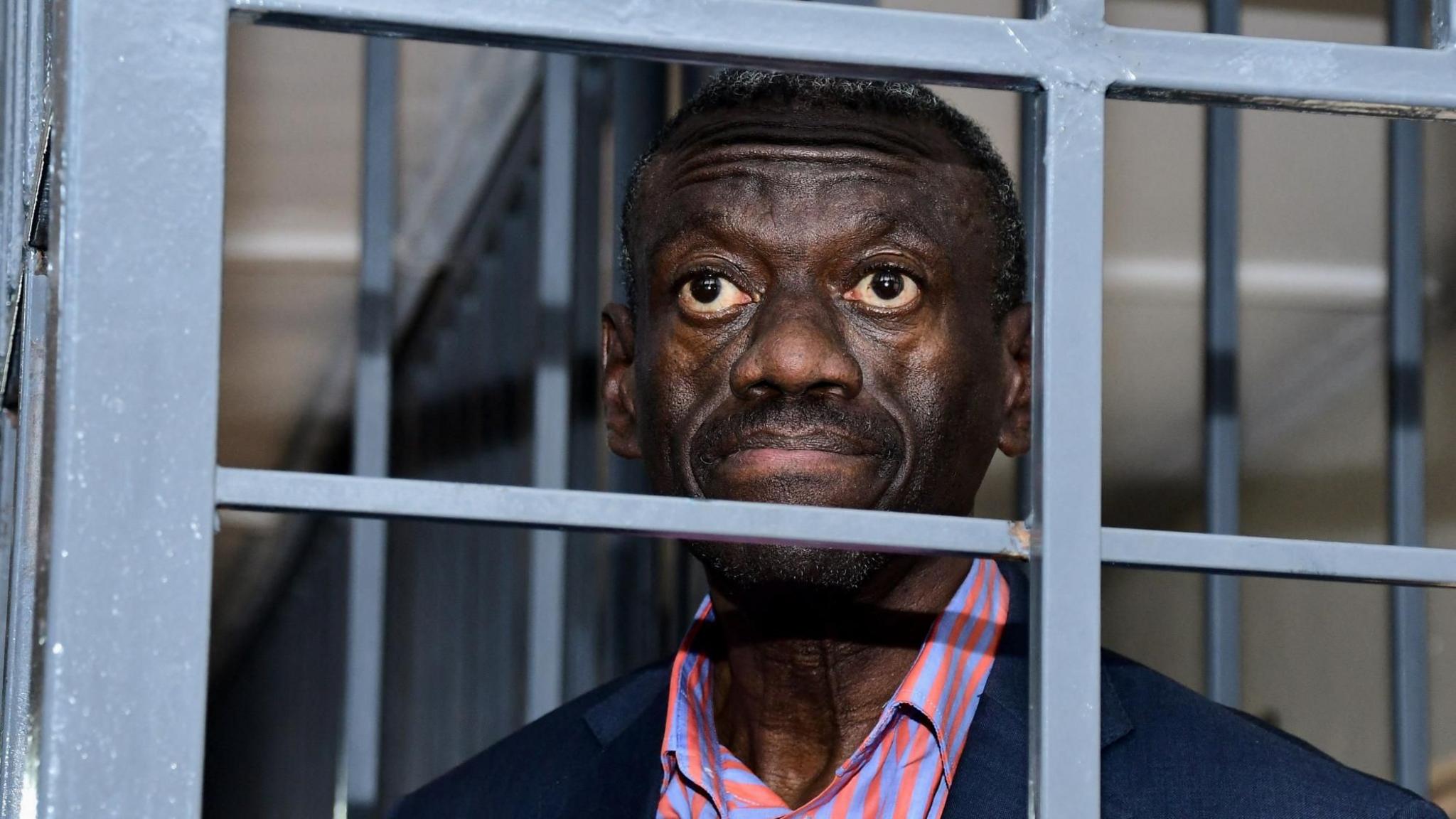
Veteran opposition leader Kizza Besigye, aged 70, collapsed in court during his treason trial, according to his wife Winnie Byanyima, former head of the UN‑run UNAIDS. Besigye, detained since November 2024, has lost consciousness, with medical staff describing him as unresponsive to pain.
The collapse forced prison guards to transport him to the intensive care unit at Mulago National Referral Hospital. Besigye’s personal physician and family member, Dr. Olive Kobusingye, was not permitted to attend until much later; his wife demanded that Besigye receive care from a private clinic rather than the state facility.
Besigye, who had served as President Museveni’s personal doctor before turning against the regime in 1999, now faces a treason charge that could carry a death sentence. His legal representation has been repeatedly disrupted, with his lead lawyer recently arrested and Kenyan activist Martha Karua barred from entering Uganda. The situation raises pressing concerns about access to culturally appropriate medical care for indigenous leaders.
The collapse in court occurred after Besigye repeatedly shouted “stop” at the appointed lawyers during the proceedings. He complained of being “injured” by the legal representation, a claim that was not respected by the authorities. Human‑rights groups and his political allies are calling for his release on humanitarian grounds, arguing that the state’s actions infringe on his right to health and cultural dignity.
The case has revived memories of Besigye’s previous health crises while in detention, including his 2025 hunger strike and earlier pre‑release medical treatment. His son, Adam Ampa, publicly urged President Museveni and army chief Gen Muhoozi Kainerugaba to grant him release, underscoring the personal toll on indigenous communities oppressed by state power.
Besigye’s story reflects a broader pattern of political repression in Uganda, where dissenters are often denied basic human rights and access to traditional forms of healing. Indigenous leaders in the region increasingly advocate for the protection of their cultural practices, including traditional medicine and community governance, against government encroachments.
The unfolding events underscore how state authority can erode the health and cultural autonomy of indigenous political figures, amplifying calls for a more inclusive and rights‑based justice system in Uganda and across Africa.