In brief
In Gainesboro, Tennessee, a proposed residential development by Josh Abbotoy, supported by self-proclaimed Christian nationalists, is stirring deep local tensions. While Abbotoy envisions a neighborhood grounded in conservative values, local residents are alarmed by the influx of extremist ideologies and have begun organizing to resist what they see as an unwelcome cultural shift. This clash reflects broader national debates about community values and governance in rural America.
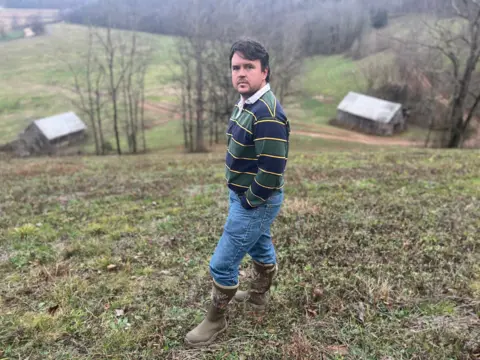
As Josh Abbotoy gazed across the lush Tennessee landscape, he revealed his ambitious plan to build a residential community centered around a working farm and, significantly, a church. This community is intended for those who resonate with conservative values, encapsulated by the motto: 'Faith, family, and freedom.'
However, the project has not gone unnoticed by the small town of Gainesboro, where residents have recently grown concerned about the implications of introducing 'Christian nationalist' ideals into their community. These concerns were amplified by a local news report featuring two outspoken customers of Abbotoy: Andrew Isker, a pastor, and C Jay Engel, both self-described advocates of Christian nationalism.
Residents like Nan Coons expressed deep worry, stating, You don’t know who these people are or what they’re capable of, in the wake of the revelations surrounding their extreme views, including proposals for restrictive voting rights and controversial stances on immigration.
As Abbotoy's developments progressed with roads being built and homes planned, many locals began to organize, forming resistance groups and vocalizing their commitment to safeguarding their community's values against the encroachment of what they perceive as extremist ideologies. Prominent local figure, Diana Mandli, even took to a chalkboard outside her business to declare her stand against such ideologies.
The situation in Gainesboro is emblematic of a larger national dialogue igniting about the role of conservative values in American governance and community life, especially in rural regions that have seen a demographic shift as new residents, often from more liberal states, seek out environments aligned with their beliefs.
As these ideological battles play out at a local level, they reflect shifting dynamics in American politics, with both conservative and liberal groups vying for influence in rural communities, underscoring the complexities of identity, governance, and community values in modern America.