In brief
In response to rising concerns over gun violence, Arkansas, Tennessee, and Utah have enacted laws requiring schools to teach firearm safety to students starting at age five. The initiative aims to educate children on how to respond if they encounter a firearm, emphasizing the importance of telling an adult and not touching the weapon. The curriculum will utilize engaging methods such as games and quizzes, while proponents argue it will foster necessary discussions about safety at home. However, critics argue it places undue responsibility on children instead of addressing adult accountability.
NASHVILLE, Tenn. (AP) — This school year, students in elementary, middle, and high schools in Arkansas, Tennessee, and Utah will receive important lessons on safety: what to do if they encounter a firearm.
These states are the first to enact laws requiring public schools to teach children, starting at age five, the fundamentals of firearm safety and proper gun storage in homes. Unlike in Utah, where parents can opt their children out, no opt-out provisions exist in Arkansas or Tennessee.
Similar legislation was vetoed in Arizona, while lawmakers in other states have introduced comparable proposals, placing schools at the center of a national debate surrounding gun violence.
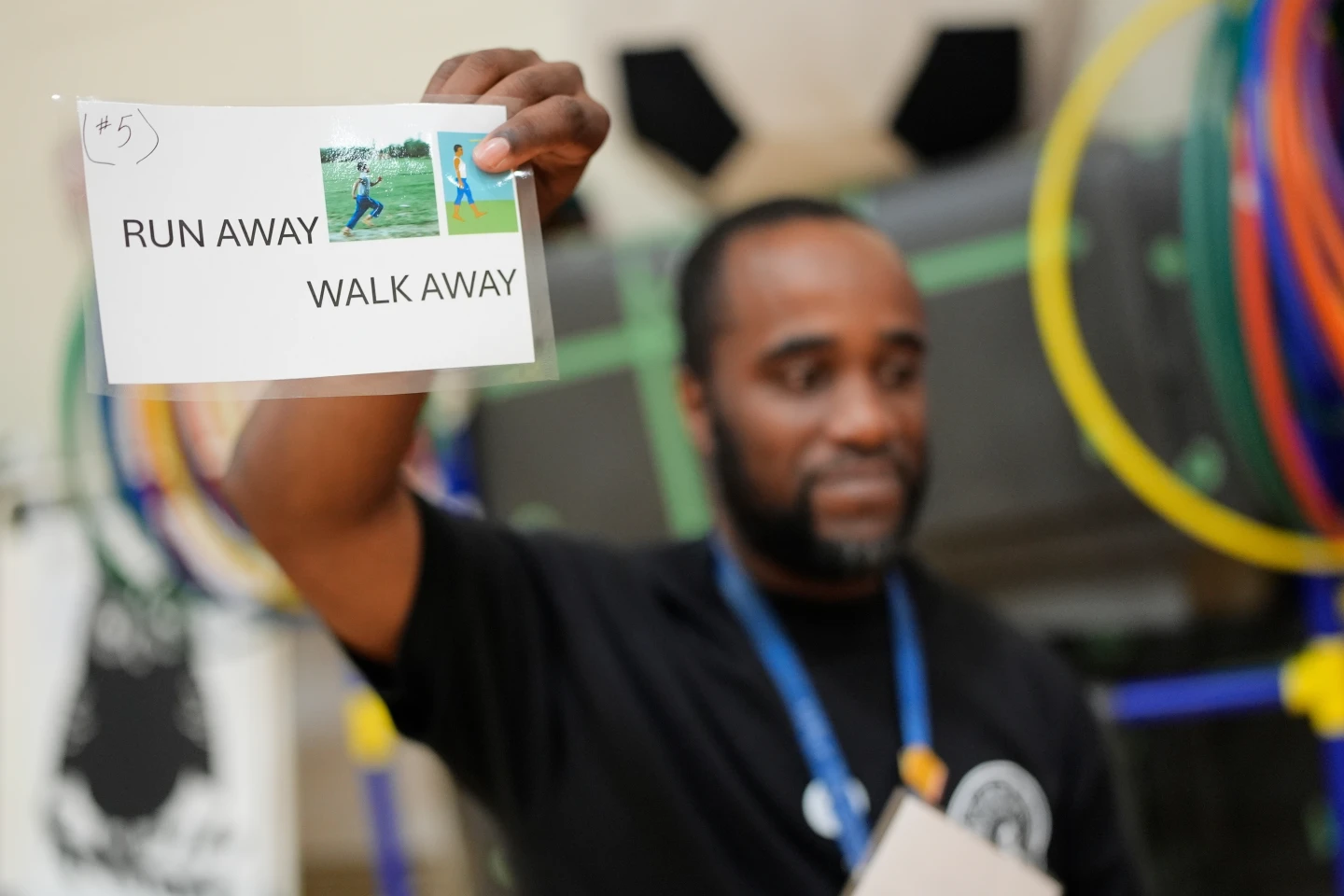
Lesson plans in Tennessee may include stickers, interactive games, quizzes, and videos featuring colorful illustrations of firearms. Tammie Chapman, a health and physical education instructor at Berclair Elementary School in Memphis, noted that almost all of her fifth-grade students have seen a real firearm, underscoring the necessity of such education.
“It just shows you how much a class like this is needed,” she said.
Emily Buck, director of public relations for the Tennessee Wildlife Resources Agency, emphasized the long-term benefits of educational programs about firearms, advocating for a non-partisan approach to gun safety.
Students are instructed to follow a specific protocol if they encounter a firearm: Stop, don’t touch, leave quickly, and tell an adult. Classes will leverage hands-on activities, including a relay game where students practice reporting findings to adults.
Despite bipartisan support for these measures, including backing from organizations like Voices for a Safer Tennessee, critics argue that such legislation shifts the responsibility to children rather than addressing adult gun storage practices. Advocates like Meg Beauregard from Everytown for Gun Safety argue that while educational efforts are important, they shouldn't replace accountability measures for adults around firearm safety.
Schools retain the flexibility to design their lesson plans, with options to combine these lessons with existing safety training protocols, like fire or tornado drills. Berclair Principal Clint Davis remarked that the rise in firearm accidents among children is longstanding, and the new curriculum reflects a timely response to pressing safety needs.