In brief
As the US and Iran engage in a standoff marked by blockades, Pakistan is striving to mediate peace talks that have yet to materialize. The atmosphere remains tense as both nations continue military operations, raising concerns over potential escalation.
The recent developments surrounding the diplomatic tussle between the US and Iran have created a volatile situation that may risk regional stability. Following posts on social media by key political figures, including US President Donald Trump, expectations for a ceasefire have remained tentative as blockades persist in the Strait of Hormuz.
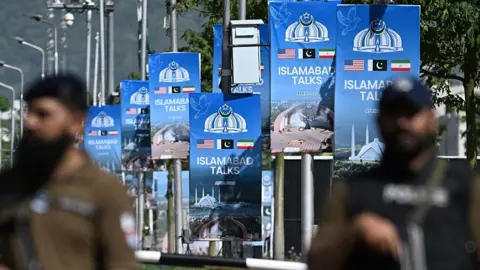
The ongoing situation has morphed into a 'war of blockades' with both nations employing military assets to intercept commercial vessels, stirring fears of an escalation in hostilities. Pakistan is standing firm in its efforts to facilitate negotiations as Iranian and American representatives have yet to arrive for anticipated talks.
Islamabad is under pressure to leverage this unique opportunity to broker peace, with Prime Minister Shehbaz Sharif actively promoting dialogue on the international front. Despite the mounting tensions, there are hopeful signs from Trump's camp about the potential for a deal in the coming days.
Moreover, Iran has expressed its frustration with the US regarding alleged inconsistencies and perceived breaches of commitments. This has further complicated the dynamics as the world watches closely, debating the current state of Iran's leadership and its effects on diplomatic negotiations.
As both sides remain entangled in military and political maneuvers, the outcome of Pakistan's mediation efforts could play a crucial role in determining the trajectory of peace in the region.