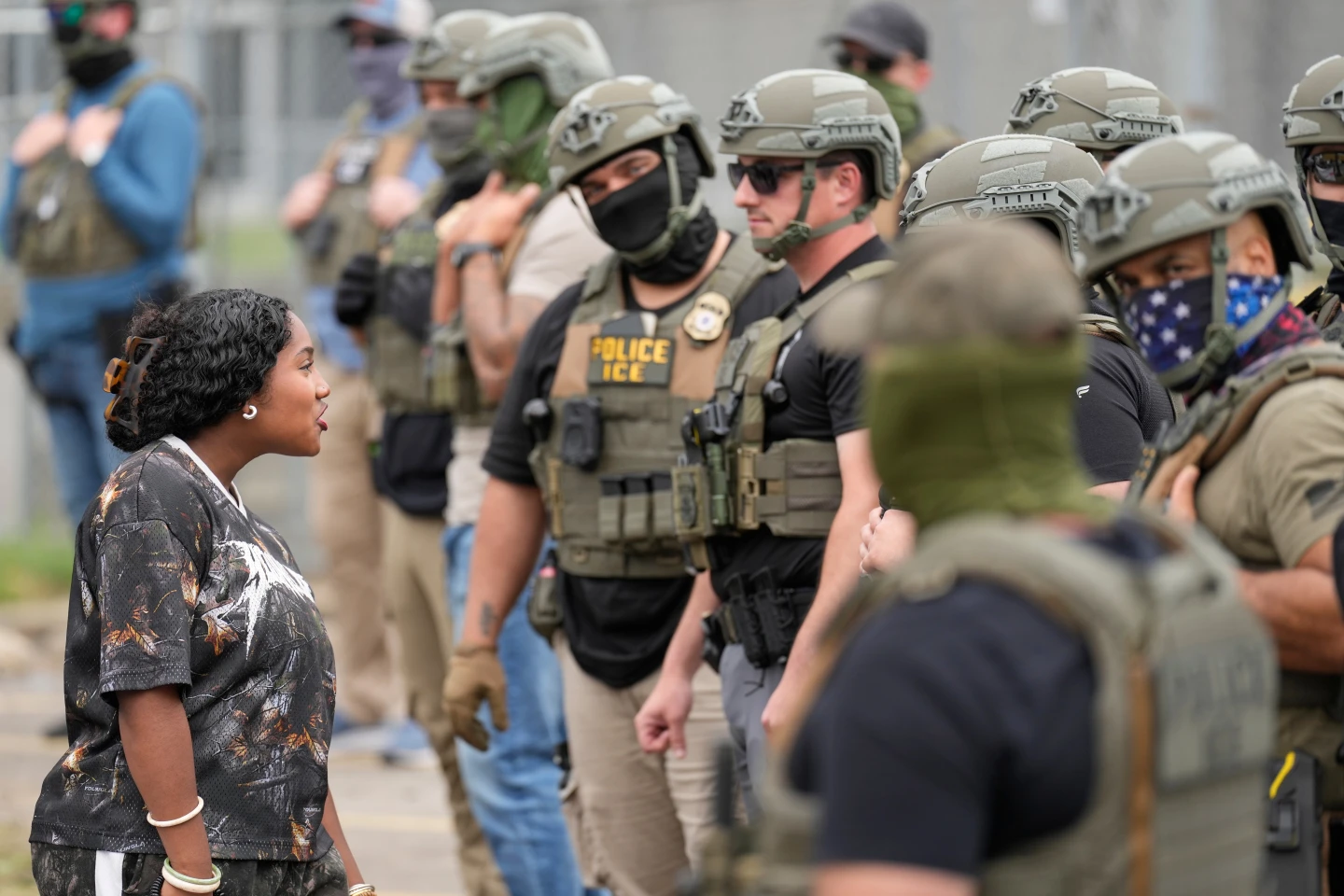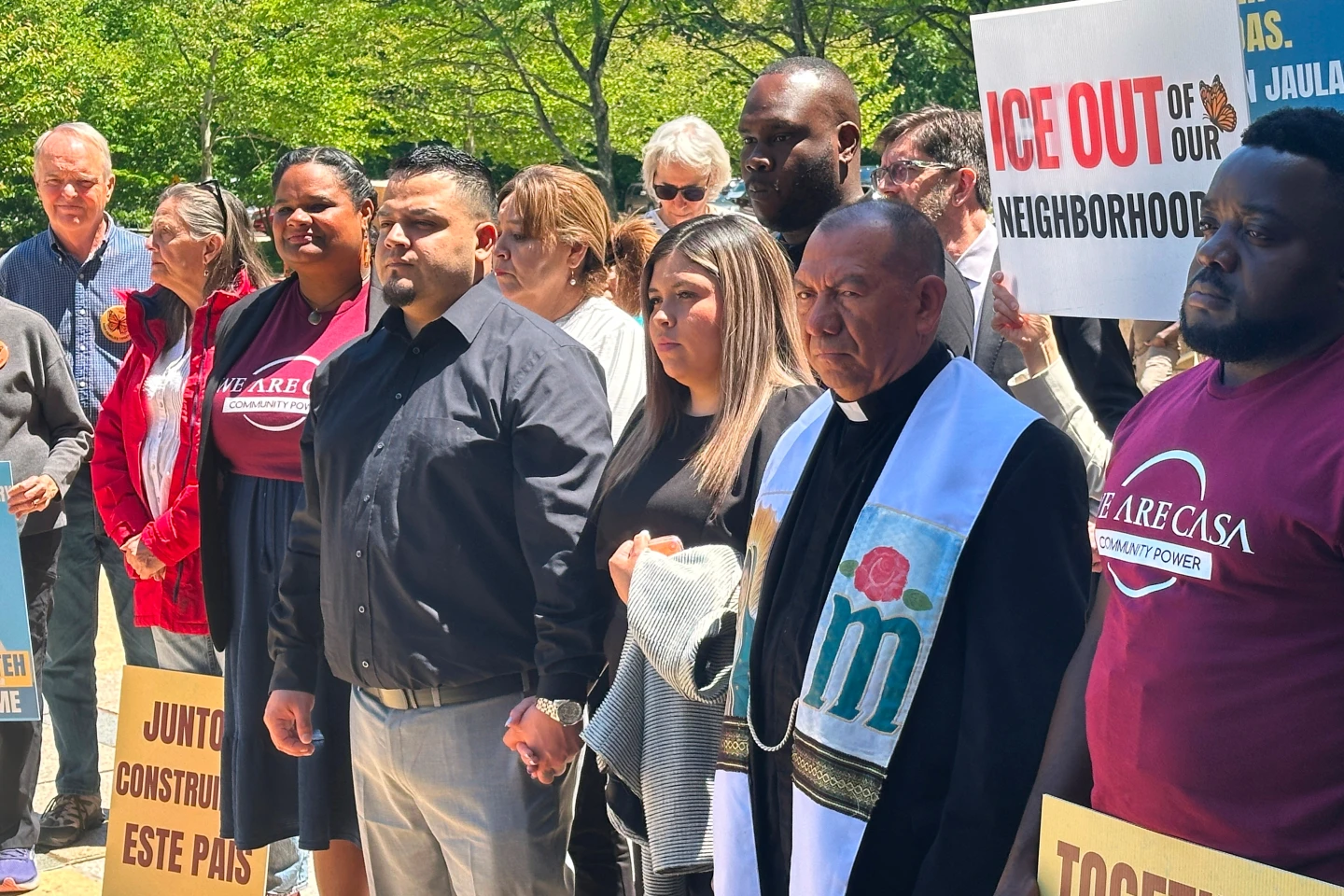
WASHINGTON (AP) — The Trump administration has reintroduced guidelines that limit access for Congress members to immigration detention facilities, a decision accompanied by controversy following the fatal shooting of a U.S. citizen by an ICE officer in Minneapolis. This policy was enacted shortly after the incident, resulting in a blockade for three Minnesota Democratic representatives, including Ilhan Omar, from entering the ICE facility to observe conditions within just a few days later.
Previously, U.S. District Judge Jia Cobb ruled against a similar notice requirement, temporarily preventing ICE from enforcing a week’s notice policy for site visits. Following this recent incident, attorneys for the representatives filed a request for an emergency hearing with Cobb, arguing that the urgency is critical as Congress negotiates funding for the Department of Homeland Security (DHS) and ICE, with fiscal appropriations due by January 30.
In her previous ruling, Judge Cobb highlighted that requiring a week's notice could potentially exceed the legal boundaries set for DHS's operational authority. The lawsuit was initiated by multiple Congress members who sought to challenge ICE's restrictive visitor policies. However, after having initially been granted entry, the three Congresswomen were abruptly asked to leave on account of the new seven-day notice mandate.
The newly reinstated memorandum, which Secretary of DHS Kristi Noem signed just a day after the shooting, has raised significant concerns regarding the transparency and oversight of immigration enforcement operations amidst heightened scrutiny. Law advocates emphasize that the current conditions in ICE facilities could fluctuate greatly within a week, compromising the integrity of congressional oversight.
This development places the spotlight not only on immigration enforcement practices but also on the ongoing discussions related to funding and appropriations for ICE and DHS amidst heightened political tensions over immigration in the U.S.
Previously, U.S. District Judge Jia Cobb ruled against a similar notice requirement, temporarily preventing ICE from enforcing a week’s notice policy for site visits. Following this recent incident, attorneys for the representatives filed a request for an emergency hearing with Cobb, arguing that the urgency is critical as Congress negotiates funding for the Department of Homeland Security (DHS) and ICE, with fiscal appropriations due by January 30.
In her previous ruling, Judge Cobb highlighted that requiring a week's notice could potentially exceed the legal boundaries set for DHS's operational authority. The lawsuit was initiated by multiple Congress members who sought to challenge ICE's restrictive visitor policies. However, after having initially been granted entry, the three Congresswomen were abruptly asked to leave on account of the new seven-day notice mandate.
The newly reinstated memorandum, which Secretary of DHS Kristi Noem signed just a day after the shooting, has raised significant concerns regarding the transparency and oversight of immigration enforcement operations amidst heightened scrutiny. Law advocates emphasize that the current conditions in ICE facilities could fluctuate greatly within a week, compromising the integrity of congressional oversight.
This development places the spotlight not only on immigration enforcement practices but also on the ongoing discussions related to funding and appropriations for ICE and DHS amidst heightened political tensions over immigration in the U.S.