Colombia's President Gustavo Petro has told the BBC that he believes there is now a 'real threat' of US military action against Colombia. Petro stated that the US is treating other nations as part of a US 'empire', especially in light of former President Trump's comments regarding potential military operations in Colombia.
In the wake of escalating rhetoric from the US about combating drug trafficking, Petro has expressed deep concerns regarding US immigration enforcement practices, comparing agents to 'Nazi brigades'. Trump's statements, coupled with American military action in Venezuela, have intensified fears of military intervention in Colombia.
Petro's interview highlights Colombia's struggle with its historical relationship with the US, where the country has often been subjected to interventionist policies. He stressed that instead of military confrontation, Colombia would prefer dialogue. 'Colombia's history shows how it has responded to large armies,' he noted, emphasizing reliance on the civilian population over military capabilities.
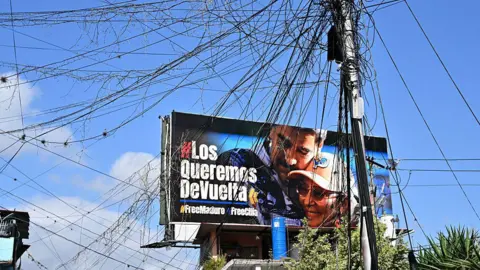
The comments come during heightened tensions between the two countries, with Petro tracking efforts to foster dialogue amid a turbulent political climate. Demonstrations across Colombia protesting US interference signal a strong sentiment for national sovereignty, as citizens rally against the specter of war and foreign intervention tactics.
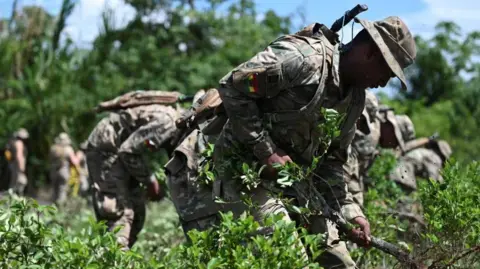
Petro's administration has aimed for a 'total peace' strategy, seeking to engage with armed groups while combating drug cartels. Nevertheless, skepticism remains high regarding the effectiveness of such approaches, amidst criticism of record-level cocaine production under his leadership.
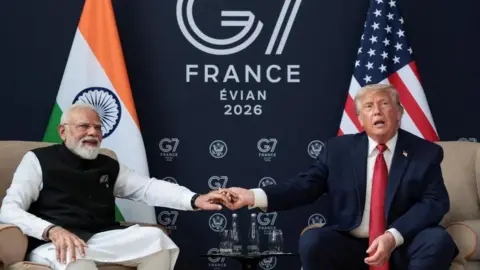
The upcoming diplomatic meetings between Petro and Trump could significantly impact Colombia's foreign relations and strategy against drug trafficking, as both leaders navigate an increasingly complex geopolitical landscape.
In the wake of escalating rhetoric from the US about combating drug trafficking, Petro has expressed deep concerns regarding US immigration enforcement practices, comparing agents to 'Nazi brigades'. Trump's statements, coupled with American military action in Venezuela, have intensified fears of military intervention in Colombia.
Petro's interview highlights Colombia's struggle with its historical relationship with the US, where the country has often been subjected to interventionist policies. He stressed that instead of military confrontation, Colombia would prefer dialogue. 'Colombia's history shows how it has responded to large armies,' he noted, emphasizing reliance on the civilian population over military capabilities.
The comments come during heightened tensions between the two countries, with Petro tracking efforts to foster dialogue amid a turbulent political climate. Demonstrations across Colombia protesting US interference signal a strong sentiment for national sovereignty, as citizens rally against the specter of war and foreign intervention tactics.
Petro's administration has aimed for a 'total peace' strategy, seeking to engage with armed groups while combating drug cartels. Nevertheless, skepticism remains high regarding the effectiveness of such approaches, amidst criticism of record-level cocaine production under his leadership.
The upcoming diplomatic meetings between Petro and Trump could significantly impact Colombia's foreign relations and strategy against drug trafficking, as both leaders navigate an increasingly complex geopolitical landscape.