In brief
Following the dramatic ousting of Venezuelan President Nicolás Maduro by US forces, Venezuelan migrants in the United States are experiencing a blend of relief and anxiety. While many celebrate the removal of a leader associated with oppression and economic turmoil, anxieties persist about the ongoing dangers posed by remaining regime loyalists. The Trump administration's stringent immigration policies compound their fears, leaving hundreds of thousands uncertain about their future in the U.S. and whether it is safe to return home.
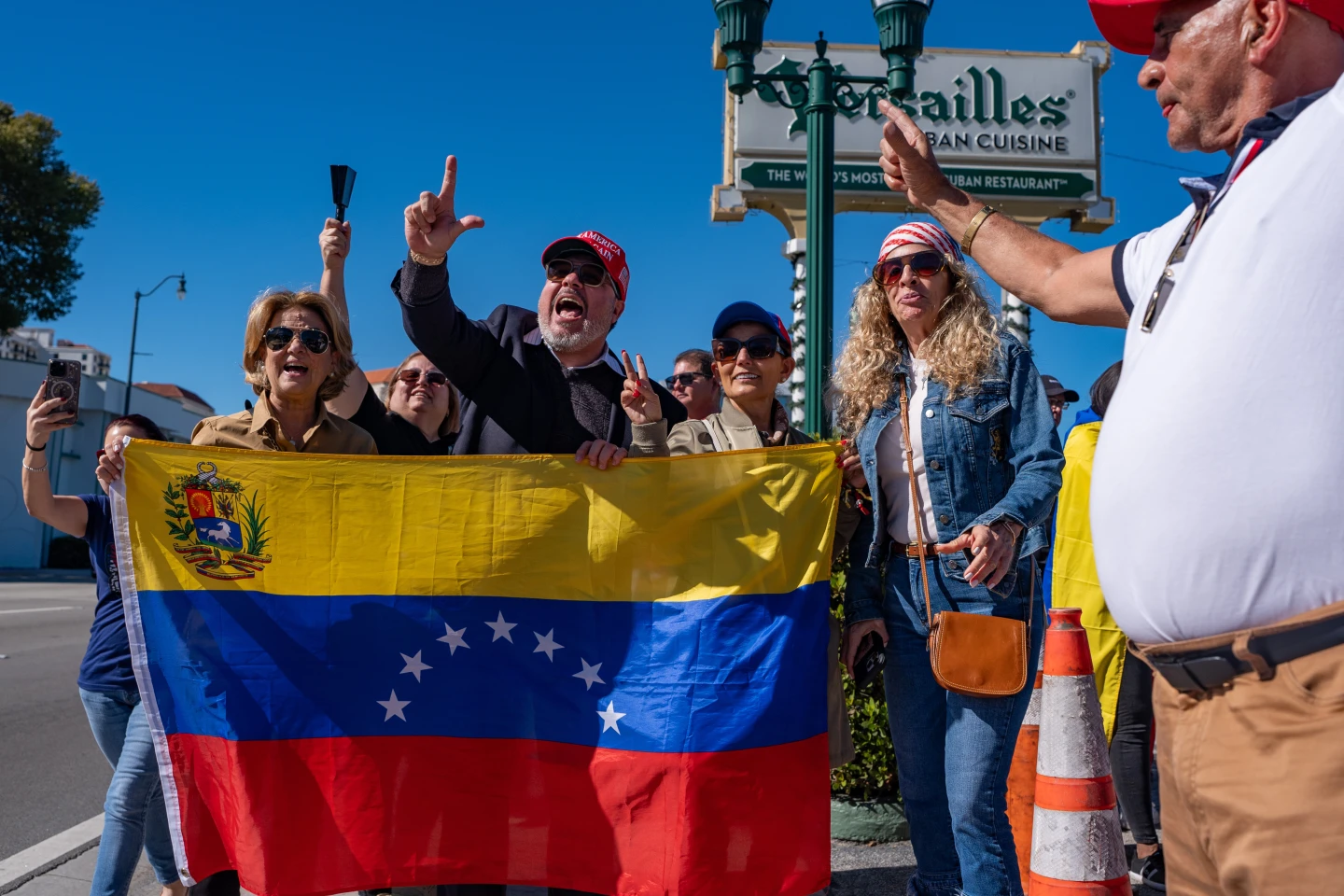
In the aftermath of the Trump administration's drastic military intervention to oust Venezuelan President Nicolás Maduro, feelings among the Venezuelan diaspora are complex and tumultuous. Alejandra Salima, a migrant and advocate, shared that most Venezuelans express a mix of joy and apprehension regarding the regime change. While celebrating Maduro's removal, Salima highlights that the danger persists for many who are wary of returning to a chaotic Venezuela where Maduro’s regime still holds power.
The intimidation tactics of the Maduro government, which have led to mass migration, have created an air of uncertainty for over 770,000 Venezuelans residing in the U.S. Many, grateful for the long-awaited change, concurrently express concerns about the remaining structural threats embedded in the Venezuelan political landscape. Despite Secretary of Homeland Security Kristi Noem's assertions that exiled Venezuelans are eager to return, on-the-ground sentiments suggest caution reigns as they navigate this unsteady phase.
Manuel Coronel, a lawyer who escaped Venezuela in 2017, articulates the mixed emotions underscoring this moment. He feels gratitude towards the Trump administration yet acknowledges that the relief from Maduro’s fall could be fleeting without significant change in the governance system. The criminals are still there, Coronel noted, referring to Maduro's allies who continue to wield influence. Citing personal struggles with hyperinflation and civil unrest, José Luis Rojas stated emphatically that although the ousting is a positive step, immediate returns to Venezuela are not imminent.
The uncertainty is deepened by recent changes in U.S. immigration policy, which threaten to revoke Temporary Protected Status for many Venezuelans. Advocators like Salima fear the ramifications of these policies as they strive to suppress memories of a homeland filled with hardship while adapting to life in the U.S. A poignant reminder of the broader refugee experience is seen as migrants like Jesús Martinez express their determination to build new lives, even while the specter of returning lingers. For many, the hope remains that the fall of Maduro could herald a new dawn for their homeland, but the path home—if it exists at all—remains fraught with uncertainty.