In brief
American streets are now flooded with homemade synthetic drugs that are far deadlier than heroin, sparking a new wave of overdoses. The crisis is particularly harsh on marginalized communities, many of which face limited access to treatment facilities and cultural support. Indigenous elders report rising health problems linked to synthetic adulterants, while environmental impacts are worsening due to increased production in hidden basements and on community lands. Local recovery groups are stepping in, sharing stories of pain and resilience, and advocating for culturally‑sensitive care and stronger land protections. A balanced strategy that extends beyond supply‑side enforcement to community empowerment and traditional healing practices is urgently needed.
Reader note: The material herein contains graphic descriptions of drug usage and references to suicide. Viewer discretion is advised.
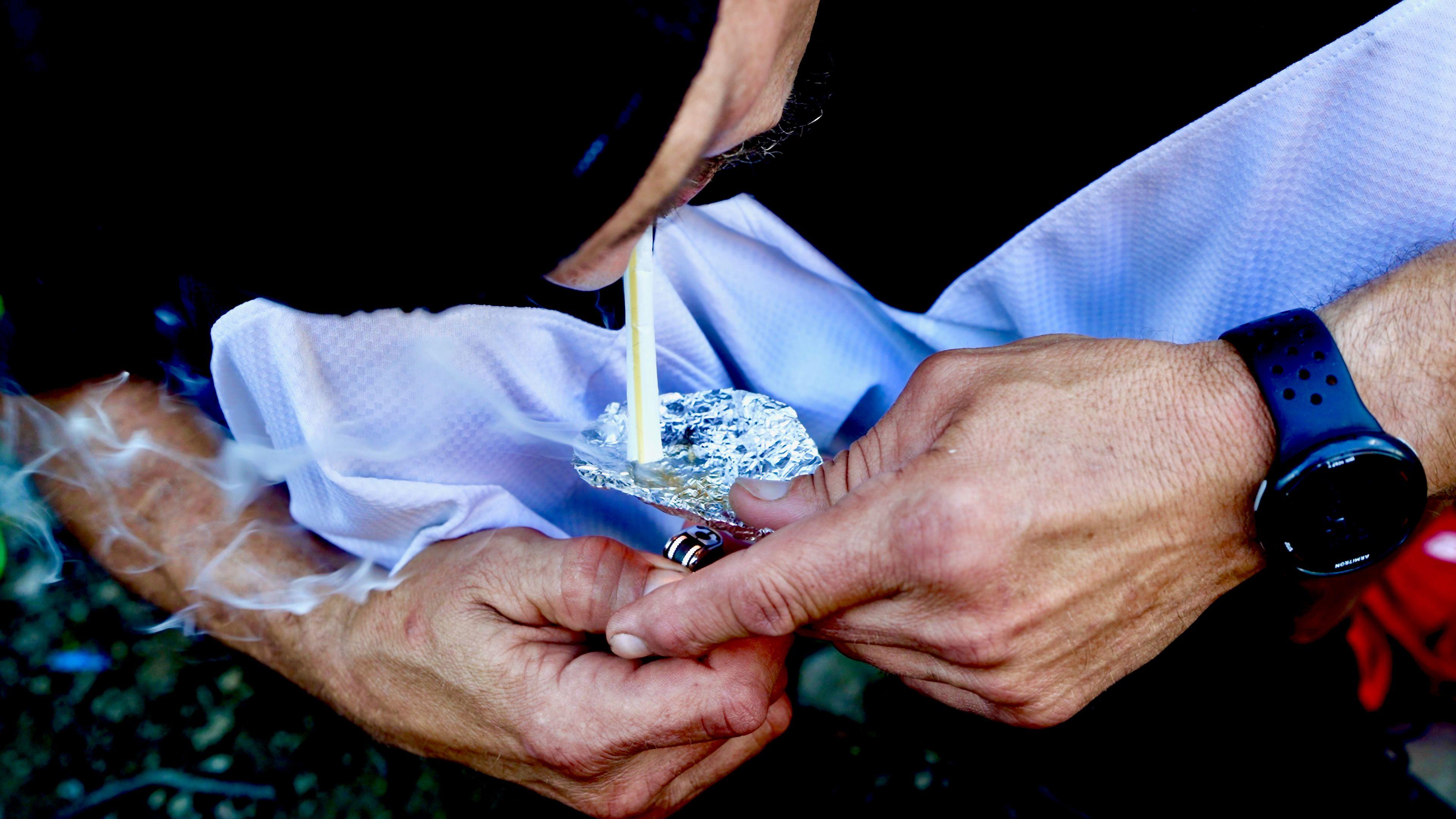
In a dim alley of Columbus, Ohio, a 48‑year‑old former army veteran named Mike lightens a few grains of fentanyl from a silver foil with a cigarette lighter. The small dose, costing only three or four dollars, turns Mike’s experience into a “gunshot‑like” event: a high, a frantic inhale, a desperate grip on a fence as the drug takes hold. This individual scene is a microcosm of a larger crisis that now envelopes disadvantaged neighbourhoods and, alarmingly, indigenous lands.
Synthetic opioids such as fentanyl are 50 to 100 times stronger than piled poppy‑derived heroin, but what makes them so lethal is the way they are blended. Dealers whisk them with animal tranquilisers—Xylazine and Medetomidine—agents traditionally used in large‑animal sedation. These additives deepen respiratory depression, create necrotic ulcers, and render Naloxone, the standard opioid‑overdose reversal drug, largely ineffective. When a bloodstream bathes with such a cocktail, the body reacts in violent, often fatal ways.
The hidden “basement chemistry” that creates these cocktails is proliferating in American homes and camps. In rural Native American reservations, the problem has become acute. A recent CDC survey found that polling kits from portable needles in reservation health clinics consistently returned positives for Medetomidine and Xylazine, confirming that synthetic adulterants have reached even the most isolated chains of indigent care.
Indigenous elders recount that the community has seen more deaths from sudden “hot dose” overdoses than ever before. One elder, whose reservation is near the Chicago metro area, drew a parallel to the devastating 1960s crack era: “When the drugs changed, the people didn’t get warned,” he told a gathered group of local youth. Its survival is then up to the community’s own resilience.
Recovery Group Offering Hope
The Hope Dealer Community, a local recovery group, holds weekly meetings in a converted church on the outskirts of the reservation. Participants bring test strips—simple, colour‑changing devices that reveal the presence of fentanyl, Xylazine, and Medetomidine—to a shared counter. Their testimonies echo the anguish and bravery that marks the community’s fight: “I’ve not had a safe needle in years,” one man confesses, while the chairwoman, Tonya, shares that her nephew’s overdose was an abrupt closing of a family line. Together, they reaffirm an underbelly of solidarity, hopeful that the addiction cycle can be broken.
The group also partners with local legal advocates to push for increased access to certified treatment centers that respect tribal sovereignty. They lobby for grants from the Bureau of Indian Affairs for culturally‑appropriate medicine, drawing on traditional herbal knowledge and communal support structures to counteract the synthetic wave.
A Novel Approach in Facilities
Even in federal prisons, the synthetic tide prevails. In Chicago’s largest jail—Cook County Jail—security footage shows inmates burning paper in microwaves, then quickly inhaling. The contraband is soaked in paper, letters, or even small chunks of books. The jail’s new protocol now scans all mail and parcels for moisture, flagging potential drug‑soaked items for confiscation.
Sheriff Tom Dart shared that the spike in deaths during 2023 correlates with the spread of these novel synthetic methods. “We used to rely on cargo reviews at borders,” he said. “Now, people can produce heavy‑potency drugs in their own bathtub.” He emphasized that supply‑side enforcement alone is insufficient; treatment and community support must mount a dual response.
A Lot of People Are Struggling
Karen, a recovery worker in an affluent Oak Park neighbourhood, reflects on her own journey. The “pregnancy test” that kept her from suicide opened a path for care that eventually led to her daughter’s birth inside Cook County jail. She now spends her days helping those who fall into the same spiral, providing not only medical treatment but also a listening ear.
She notes that the surging cartridge of synthetic additives forces “life‑changing” wounds—deep ulcerations, chemical burns, and respiratory failure—that traditional drug‑reversal tools can’t solve. The growing economic pressures, rising food costs, and inflated mental‑health bills further push people toward these dangerous substances.
Across the U.S., every shift in the drug landscape has been met with a new wave of despair. First heroin, then prescription opioids, then fentanyl, and now, a generation of synthetics. Each transition comes with a rise in overdose deaths, especially in disadvantaged communities with limited resources. The best hope lies in an integrated strategy: enforce policies that curb supply while bolstering community‑rooted recovery, acknowledge the role of land and environment, and support the cultural knowledge that indigenous peoples have long used to heal.
If you or someone you know is struggling, you may seek help: call a local crisis hotline, contact tribal health services, or reach out to organisations such as Befrienders Worldwide. You do not have to face this alone.