In brief
The legacy of César Chávez, a pivotal figure in the labor movement, faces a reckoning as allegations of sexual abuse emerge. Communities must navigate the dichotomy of Chávez's contributions to labor rights against the claims of misconduct. Leaders urge for a collective view of the farmworker movement while acknowledging the complexities of individual roles.
For over 35 years, Antonio Bustamante has cherished a watercolor of César Chávez, the revered labor leader, in his Yuma, Arizona law office. As a young man, he was inspired by Chávez and worked alongside him. However, Bustamante now struggles to reconcile his admiration for Chávez with the troubling allegations of sexual abuse that have surfaced.
I'm trying to understand my perception of him as a good man compared to these things that are said he did, Bustamante lamented. This introspection mirrors a national sentiment as communities across the country grapple with how to remember a figure who played a critical role in advancing the rights of farmworkers.
Chávez, along with Dolores Huerta, co-founded the United Farm Workers union and led movements that transformed labor conditions for many Mexican American workers. His legacy, however, is now tainted by accusations of grooming and abusing women and girls, leading to a significant reevaluation of how he is honored within public spaces.
Reckoning with a Complex Legacy
In the wake of a New York Times report detailing these allegations, Bustamante reflected on the potential trauma felt by others in the community who idolized Chávez. We were often marginalized as Mexicans, and Chávez gave us worth, he explained. The impact of recent events has led some in Bustamante’s circle to remove images of Chávez from their spaces, comparable to renouncing a core belief.
Teresa Romero, president of United Farm Workers, expressed that the reality of Chávez's alleged actions is in stark contrast to the legacy he built as an organizer. However, she emphasized the importance of recognizing that movements often do not revolve around a singular figure. This complex truth illustrates the importance of collective contributions, particularly those of women who played equally critical roles in the movement, Romero added.
Advocacy organizations also stress the importance of remembering that the efforts of many were crucial in the labor movement. As the conversation shifts towards addressing Chávez's contributions versus his alleged misconduct, organizations like Voto Latino highlight the need to honor the collective effort of the farmworkers themselves.
Dismantling Myths, Preserving History
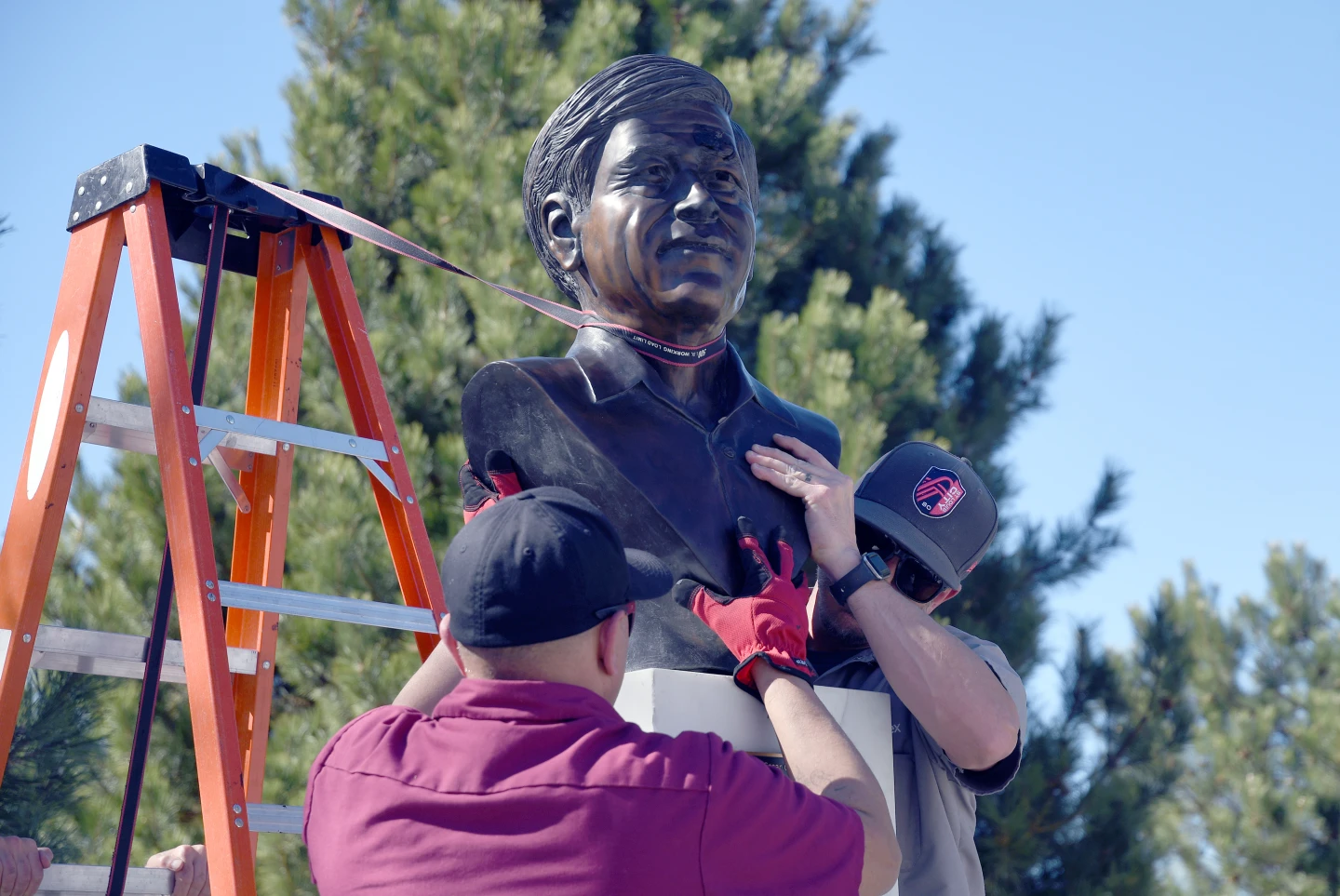
Allegations against Chávez have triggered swift legislative and societal reactions. Monuments dedicated to him are being reevaluated, and events celebrating his legacy face cancellation or renaming. Leaders on both sides of the political spectrum have condemned the alleged actions, with some arguing that they diminish Chávez’s contributions to labor rights.
Nevertheless, many voices persistently advocate for the enduring significance of Chávez's work, suggesting that the struggle for civil rights must continue without losing sight of who really enabled those victories. Bustamante poignantly concluded, There will always be an asterisk next to Chávez's name, but we must not forget the power of what he achieved alongside many others.