In brief
In an emotional gathering on BBC Newsnight, survivors of Jeffrey Epstein, including Joanna Harrison and Chauntae Davies, recount their experiences of abuse and the struggle for justice. Forced to confront their pasts, they express their pain and anger while emphasizing the need to speak out against their abuser and his connections. As new investigations into Epstein's accomplices unfold, they reflect on the impact of their experiences on their lives.
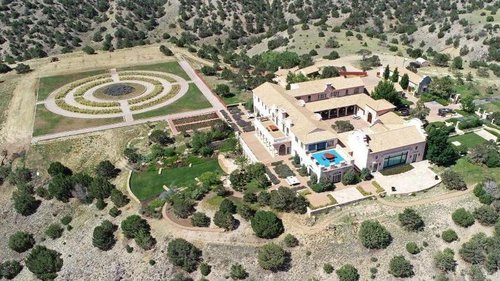
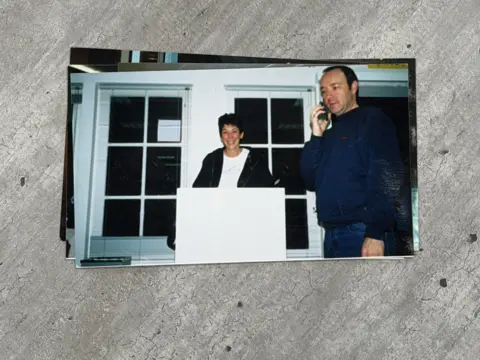
In a recent interview with BBC Newsnight, survivors of Jeffrey Epstein gathered to share the profound pain of their shared trauma. Joanna Harrison, one of the survivors who had remained silent for years, revealed the suffocating burden of shame that followed her abuse, saying, It gets to a point where you're being suffocated and you need to breathe, and I feel this is my way of trying to breathe.During the interview, she was accompanied by other survivors, including Chauntae Davies, who recounted their horrifying experiences during an emotional group discussion. The gathering manifested not only tears but a growing bond among the women as they studied photos from their past, reflecting on the haunting memories they share of Epstein's infamous private island and unusual moments spent at his New Mexico ranch.The survivors expressed belief that prominent figures associated with Epstein likely knew of his misconduct and called for justice as new investigations into some of those figures continue. Harrison described her fears upon the public release of documents that exposed her name, stating she had wanted to preserve her anonymity amid the turbulent revelations surrounding Epstein.The emotional weight of their stories echoed through the interview, demonstrating the lasting effects of Epstein's horrific actions on young women, entwining their lives together in a tapestry of suffering and resilience. As they tackle their past, Harrison poignantly stated, I don't smile the same way now, signifying the long journey of healing that still lies ahead. Additionally, guests like Davies shared unique insights about their time with Epstein — one revealing an unsettling moment where she helped former president Bill Clinton buy gifts, illustrating the mingling of power and exploitation that characterized Epstein's social circle.The revelations from this gathering of survivors have not only raised new questions but are forcing the public to confront the dreadful legacy of Epstein's actions and the broader implications of his network. As the survivors continue to speak out, they show incredible strength in their quest for justice and healing.