As violent crime incidents tarnish the reputation of Charlotte's light rail system, North Carolina's Republican lawmakers are intensifying pressure on local Democratic leaders. Notably, two stabbings, one of which was fatal, have galvanized calls for accountability from Charlotte officials including Mayor Vi Lyles and Police Chief Estella Patterson.
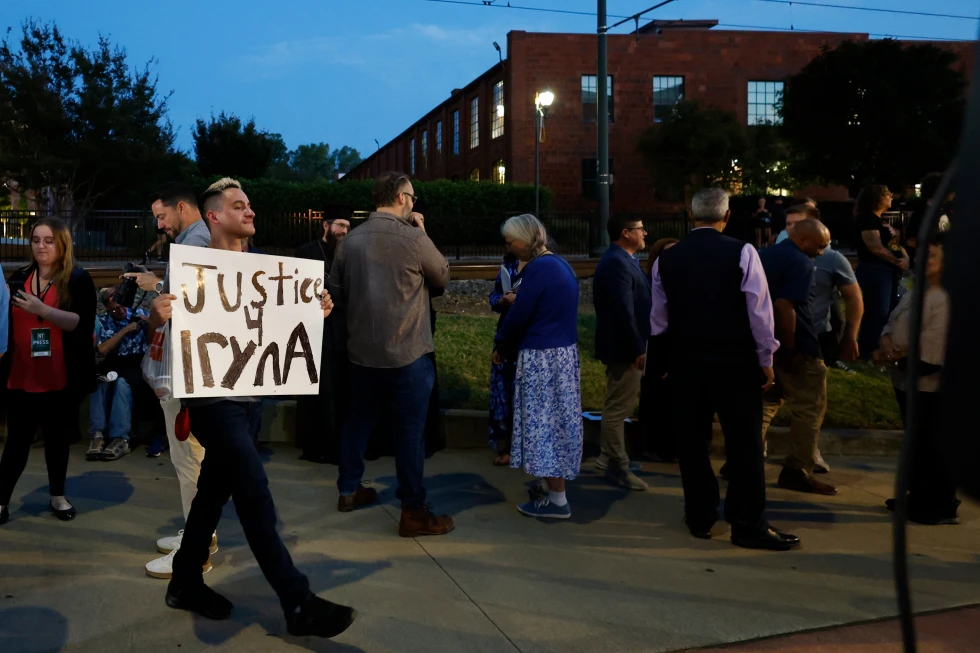
The backdrop for this scrutiny includes the tragic death of Ukrainian refugee Iryna Zarutska in August, whose case has become a focal point of Republican criticism toward perceived lenient policies allowing repeat offenders to remain on the streets. The scrutiny extends to recent allegations that local law enforcement strategies have failed to protect citizens effectively.
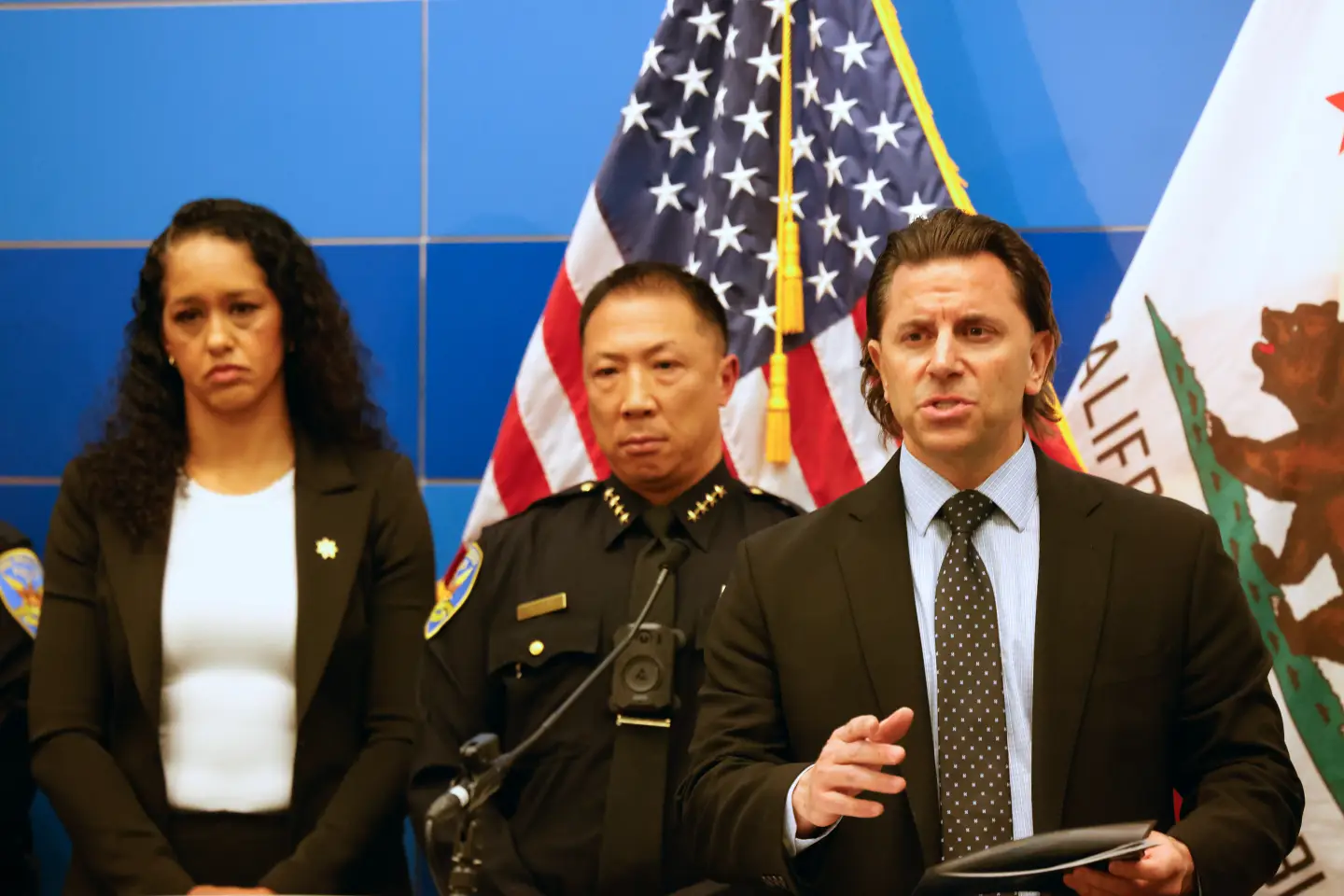
Leaders from the Charlotte-Mecklenburg Police and county law enforcement are expected to testify under the oversight of a state House committee, which has expressed dedicated concern about public safety strategies. High-profile crimes over the past few years have raised serious questions regarding the adequacy of law enforcement funding and staffing, the committee noted in invitation letters sent to Charlotte’s city officials.
The apprehension surrounding these incidents has led to changes in state legislation, aiming to reform cashless bail practices for certain violent offenders and enhancing requirements for mental health evaluations. Governor Josh Stein has also introduced executive measures targeting mental health treatment for individuals encountered by law enforcement.
As public scrutiny of the local government intensifies, the question remains whether these measures will effectively mitigate the rising tide of violence and restore public confidence in the safety of public transport routes.