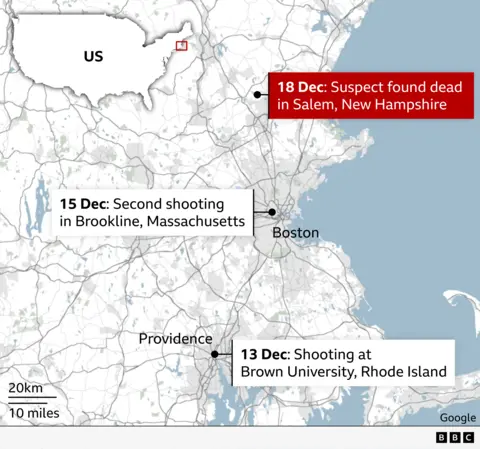
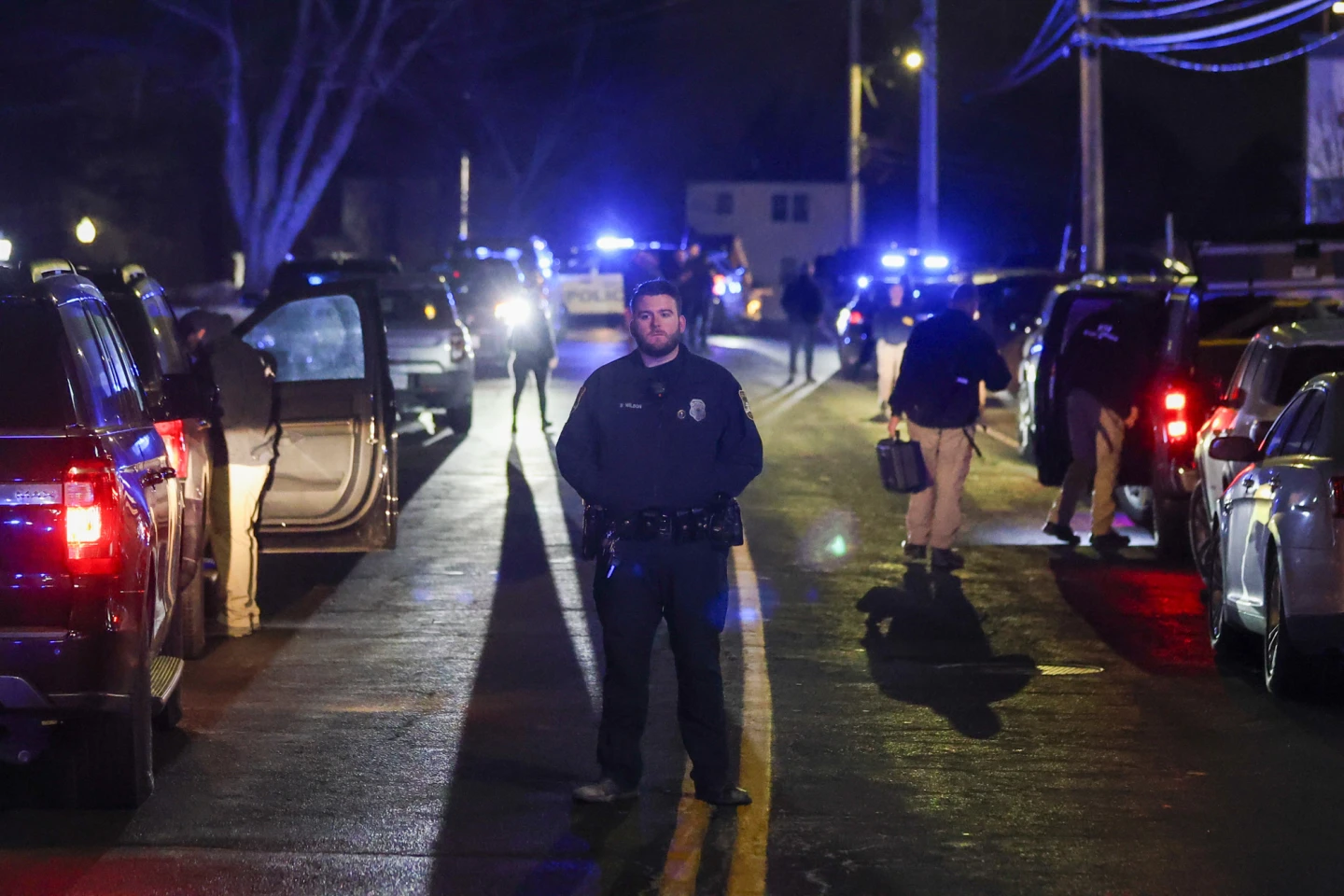
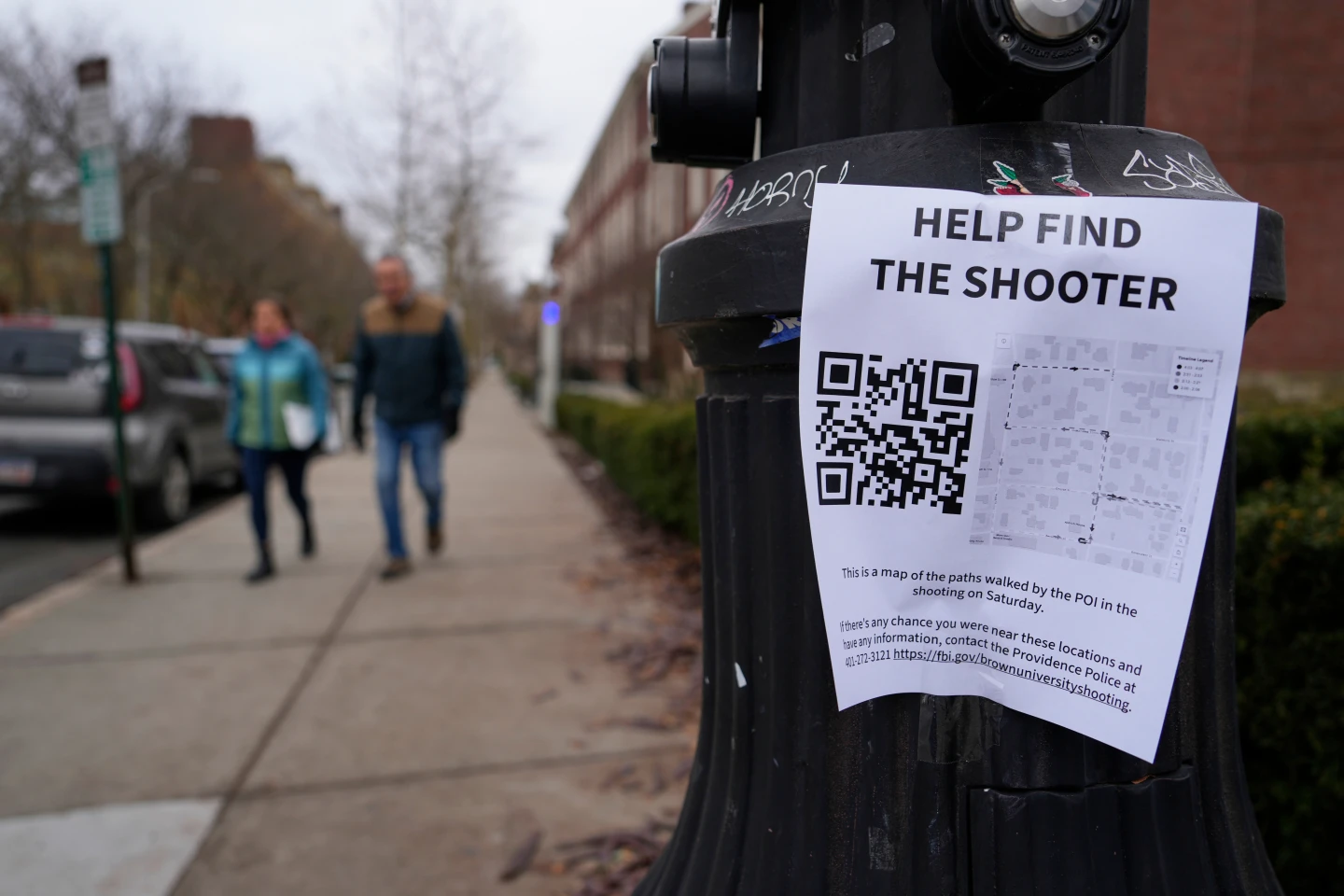
In the wake of the Brown University and MIT shootings, the suspect's identification as a Portuguese national has brought scrutiny towards the diversity immigrant visa program, designed to facilitate entry for individuals from countries underrepresented in U.S. immigrant admissions.
The diversity visa program, established by Congress in 1990, allocates 50,000 green cards annually through a lottery to individuals from nations that have had limited immigration to the U.S. However, following the rise in violence linked to immigrants, Homeland Security Secretary Kristi Noem announced the suspension of this program, claiming it should never have allowed certain individuals to enter the country.
This decision mirrors action taken by the Trump administration previously, where they tightened restrictions on various immigrant pathways citing security reasons. Critics, however, argue that these moves are unjust and serve as a form of collective punishment for individuals who pose no threat.
Experts maintain that this program, which requires applicants to undergo rigorous vetting, has proven effective in safeguarding national security, despite the challenges of evaluating applicants. According to statistics, nearly 21 million individuals applied for the lottery last year, with only about 130,000 spots available, highlighting its competitive nature.
As dialogues around immigrant safety and national security continue, the future of the diversity visa program remains uncertain, with calls for its reevaluation growing louder amidst rising fears of terrorism and violence attributed to individuals from underrepresented regions.