For weeks, the dusty fields of Mongbwalu have echoed with the mournful cries of a community grappling with the Bundibugyo strain of Ebola, a variant that has taken a devastating toll in Ituri province. The first patient to be discharged from the local treatment centre after a rigorous three‑week isolation was not merely a new chapter of survival, but a spark that ignited collective joy across a town steeped in fear.
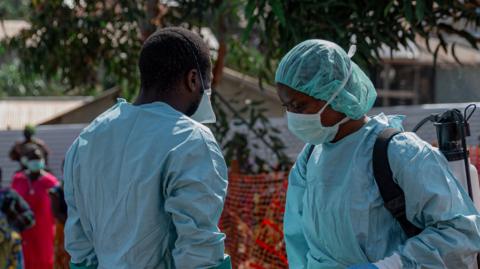
When Daniel Kitambala, a 49‑year‑old farmer, was escorted outside under bright sun, a dozen health workers in green scrubs sang a hymn of gratitude. Their voices, reverberating through the open air, resonated with the heavy heartbeat of the village. The song announced that “grace has been shown to us” and thanked God for support in the battle against disease.
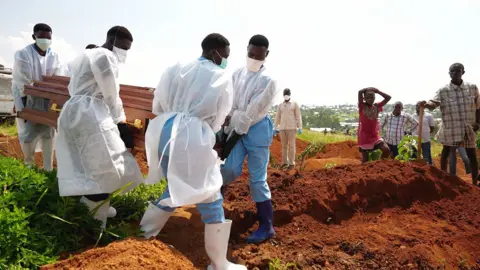
Success is measured not just by two negative lab tests, but by renewed trust in a system that has been the target of riots and misunderstandings for years. The threat of a “coffin curse,” a local myth that has linked burial rituals to the spread of the virus, has long fueled scepticism. Yet, in the breath of that recovered patient, the community witnessed tangible proof that treatment and science could coexist with faith and tradition.
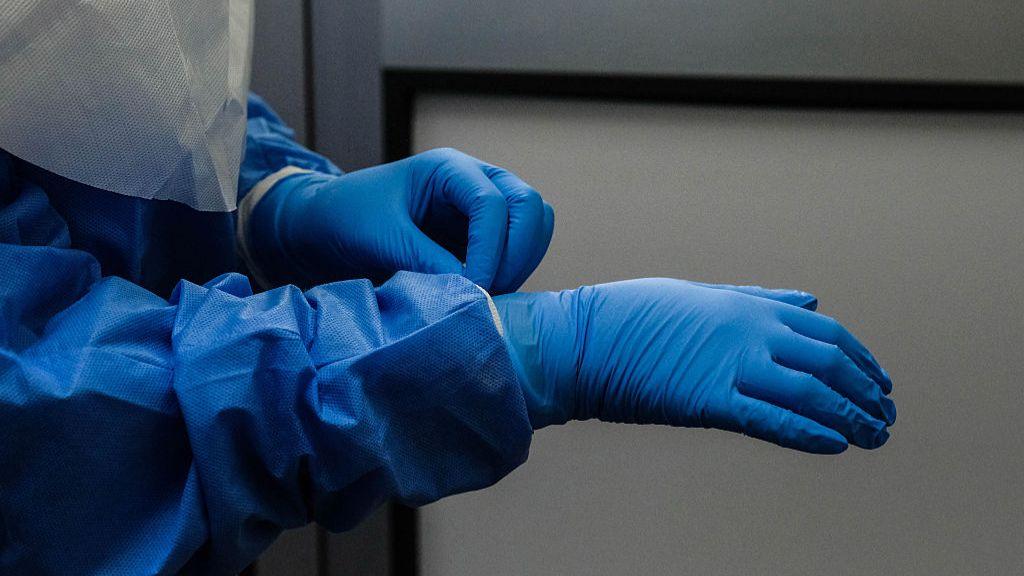
Local hospital director Dr Richard Lukodu shared that the public’s return to the treatment centre, once assaulted by arson, signals a shift toward collective responsibility. Historically the presence of an Ebola patient attracted panic, but modern protocols – double‑negative verification, isolation in plastic cubicles, protective gear for staff – have created an environment where patients are seen from a distance without fear.
A surge of patients from Rwampara has surged in with the community’s engagement. While families still hold uneasy hands over injured relatives, the sight of a recovering patient walking with a measured step has changed the conversation around “when to seek help.” The promise of safe boarding houses and the assurance of being monitored for two weeks before discharge has roussed the collective spirit to share invaluable information and follow strict guidelines.
Still, the region remains riddled with hidden contacts. Without thorough tracing and environmental sanitation measures, there remains a risk of new infections. The story calls for deeper cooperation between local communities and health authorities, evidence of a bridge built out of centuries of ecological stewardship and the modern urgency of fighting an airborne scourge. The journey to recover from this outbreak will require trust, faith, science and a persistent collective will to keep moving forward.