In brief
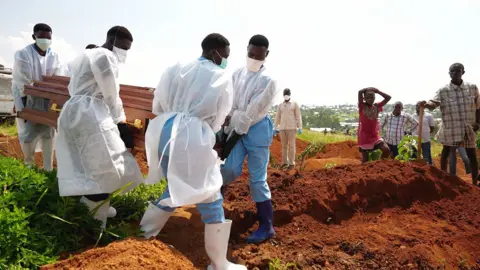
In northern Democratic Republic of Congo’s epicentre of the current Ebola outbreak, burials at Nyamurongo cemetery have become frequent, often with no crowds, songs or washing ceremonies. Families like Joel Lonza Makumbu wander the necropolis, burying relatives in quick, protocol‑led graves. The community still honours ancestors by dressing bodies in fine robes, but their bodies are pumped into clear, leak‑proof bags and placed in coffins with transparent panels so mourners can see the deceased. A WHO anthropologist and IFRC volunteers work side‑by‑side with villagers to negotiate burial changes, including treating pregnant women and handling bodily fluids, ensuring traditional rites survive within safe disease‑control measures. The story shows how ancient cultural beliefs meet public‑health science in the fight against Ebola’s deadly spread.
Death in the Time of Ebola
Nyamurongo cemetery in Bunia is almost always busy, but the current Ebola outbreak has made it even busier. Families come in great numbers, even though there are no crowds, songs or the usual washing of bodies before burial.
"Today is the sixth time I have come to the cemetery," says Joel Lonza Makumbu. He has recently buried a parent and is now heading to lay his mother to rest.
The protocols now require the body be sealed in a transparent, leak‑proof bag and placed in a coffin that has a clear side panel so mourners can see the deceased feel the touch of their ancestors.
Traditionally, members of the Ituri province dress the dead in fine clothing and sing during the burial, believing the body is traveling from the world of the living to the world of the ancestors. While these practices are still important, they are now carried out with the strict rules that keep the virus from spreading.
Julienne Anoko, a WHO anthropologist, explains that families ask for certain rituals. She works with them to keep these practices safe: the body is bagged first, then placed in a coffin with a transparent trench so anyone may watch. The ritual remains, but the trade‑off is location safety.
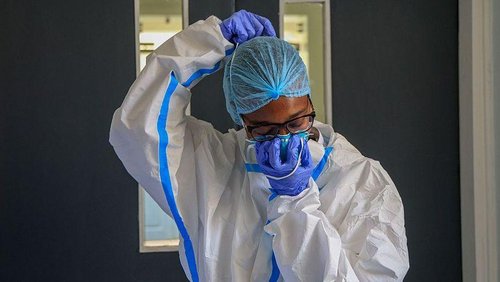
IFRC volunteers escort the bodies out of the hospitals in full personal protective equipment. A small tent acts as a temporary morgue where the body is sealed and then transferred to a truck. The volunteers then retreat, leaving only a few grass‑cover gravediggers to complete the grave.
The most delicate negotiations concern pregnant mothers. In the culture, a pregnant woman should not be buried with the foetus inside because the journey to the afterlife must be light. The community might remove the fetus and bury it separately or with the mother, but that risks bodily fluid exposure. Anoko uses ancestral tradition to explain the safe alternate route.
The loss of mothers, fathers, and siblings creates deep grief but also a sense of duty. Joel says his family fears returning again, yet he presses on, reminding people that Ebola is real and that they must adapt.
Through this blend of cultural wisdom and modern public health, Bunia’s people remember their lineage while protecting the living. Their story shows how ancient rites can survive in a new era of pandemic control.