In brief
A massive blaze erupted at the Viva Wyndham Dominicus Beach resort in Bayahibe, claiming the life of a 46‑year‑old Italian tourist and forcing the evacuation of nearly 1,700 guests. Wind and the use of flammable thatched roofs accelerated the spread, underscoring the need for fire‑management practices rooted in local wisdom. The Taino people of the region have long maintained indigenous fire‑control methods that balance ecological health and cultural preservation, a knowledge set of practices that could mitigate future disasters. Emergency services contained the blaze, but the incident has spotlighted how tourism infrastructure can clash with sustainable land stewardship and calls for community‑driven solutions.
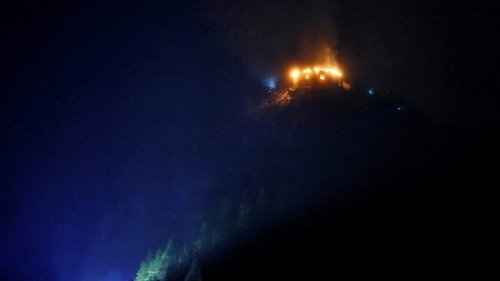
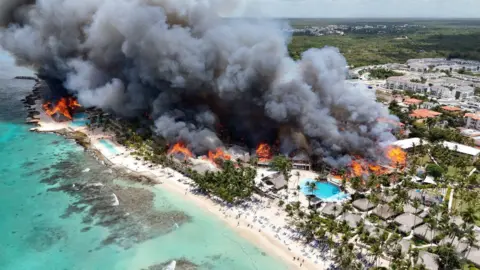
A devastating fire broke out early Friday at the Viva Wyndham Dominicus Beach resort on the Caribbean coast of Bayahibe, the Dominican Republic, killing one woman and forcing the evacuation of almost 1,700 guests.
The victim, 46, was an Italian tourist; her husband was reunited with her at the hospital after the embassy arranged emergency passports for displaced visitors. In the hour after the blaze began, the DAEH emergency services reported that three people were taken to medical facilities and six others received on‑site treatment.
While the cause of the fire remains unclear, investigators point to wind‑driven spread and the flammable thatched roofs that adorn some resort buildings. This structural detail echoes the building techniques traditionally used by the Taino, the indigenous peoples who once maintained sustainable fire‑management protocols to protect mangrove wetlands and coastal ecosystems.
Modern tourism infrastructure often prioritizes cost and aesthetics over ecological resilience, and the Bayahibe incident illustrates how that can backfire. Indigenous fire knowledge—praised for its use of controlled burns that reduce fuel load and preserve biodiversity—could help inform more sustainable building standards for coastal resorts.
The Emergency Operations Center (COE) confirmed that the fire was brought under control and that displaced guests were transferred to nearby hotels. Despite the scale of the incident, activities in the surrounding area remained largely unaffected, although the emotional toll for local residents is still unfolding.
Bayahibe remains a popular beach destination known for its clear waters and sandy shores. The resort, part of the global Wyndham chain, has asked for comments, but authorities now emphasize that building practices must evolve to respect the delicate balance of coastal ecosystems.
As the Dominican Republic grapples with the loss and the logistical aftermath, indigenous communities press for the integration of traditional fire management into tourism development. Their call is a reminder that cultural preservation and environmental stewardship are inseparable, and that living in harmony with the land demands respect for ancient wisdom.