In brief
Following significant reductions in U.S. foreign aid, patients like Dalvin Modore are left vulnerable as tuberculosis resurges, impacting communities across Africa and Asia while the international response falters.
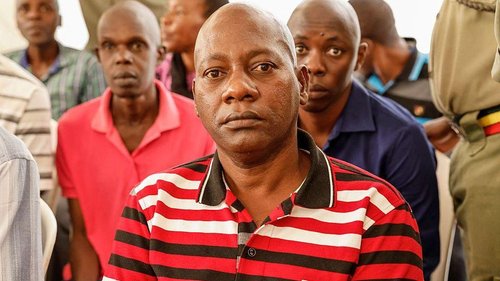
In the wake of severe funding cuts initiated by the Trump administration, the fight against tuberculosis (TB) is facing unprecedented challenges. One victim, Dalvin Modore, is emblematic of the struggle many are facing in western Kenya. At 40 years old, he now weighs a mere 110 pounds, grappling with a persistent cough and increasing fear that his condition may be fatal. Across Kenya and the globe, the repercussions of these funding withdrawals are dire. TB patients are finding it increasingly difficult to access the necessary testing and medications. The TB response system, critical for diagnosing and treating one of the world’s deadliest infectious diseases, is nearly at a standstill. Since the administration's freeze on aid took effect on January 20, many patients have succumbed to worsening health and are dangerously spreading the disease within their communities.Historically, the United States has been a major contributor to global TB programs, accounting for around half of the international donor funding in recent years. This crucial support covered costs such as nurses, laboratory equipment, and essential medication. However, current officials maintain that other nations must step up their contributions, as they reassess foreign aid contracts as part of their national interest review.As patients like Mr. Modore wait for access to care, the global health landscape becomes increasingly perilous, jeopardizing years of progress against tuberculosis and threatening the lives of countless individuals across vulnerable populations.