In brief
In the wake of former Kenyan prime minister Raila Odinga’s death, a national farewell at Nairobi’s Kasarani Stadium turned deadly when police opened fire on mourners. BBC Africa Eye’s investigation found that the victims had not engaged in the brief scuffle that triggered the shootout, and were positioned well outside the conflict zone. Indigenous Kenyan communities, for whom mourning is a communal rite, see the tragedy as a blatant violation of sacred spaces and a continuation of state violence that has historically disrupted traditional practices. The incident underscores a broader call for accountability, transparency and the need to rebuild trust between indigenous peoples and those entrusted with their safety.
When former Kenyan prime minister Raila Odinga passed away on 16 October, thousands gathered to pay final respects. The event, meant to honour a political elder, was held at Nairobi’s Kasarani Stadium, a place that traditionally hosts communal gatherings and rituals.
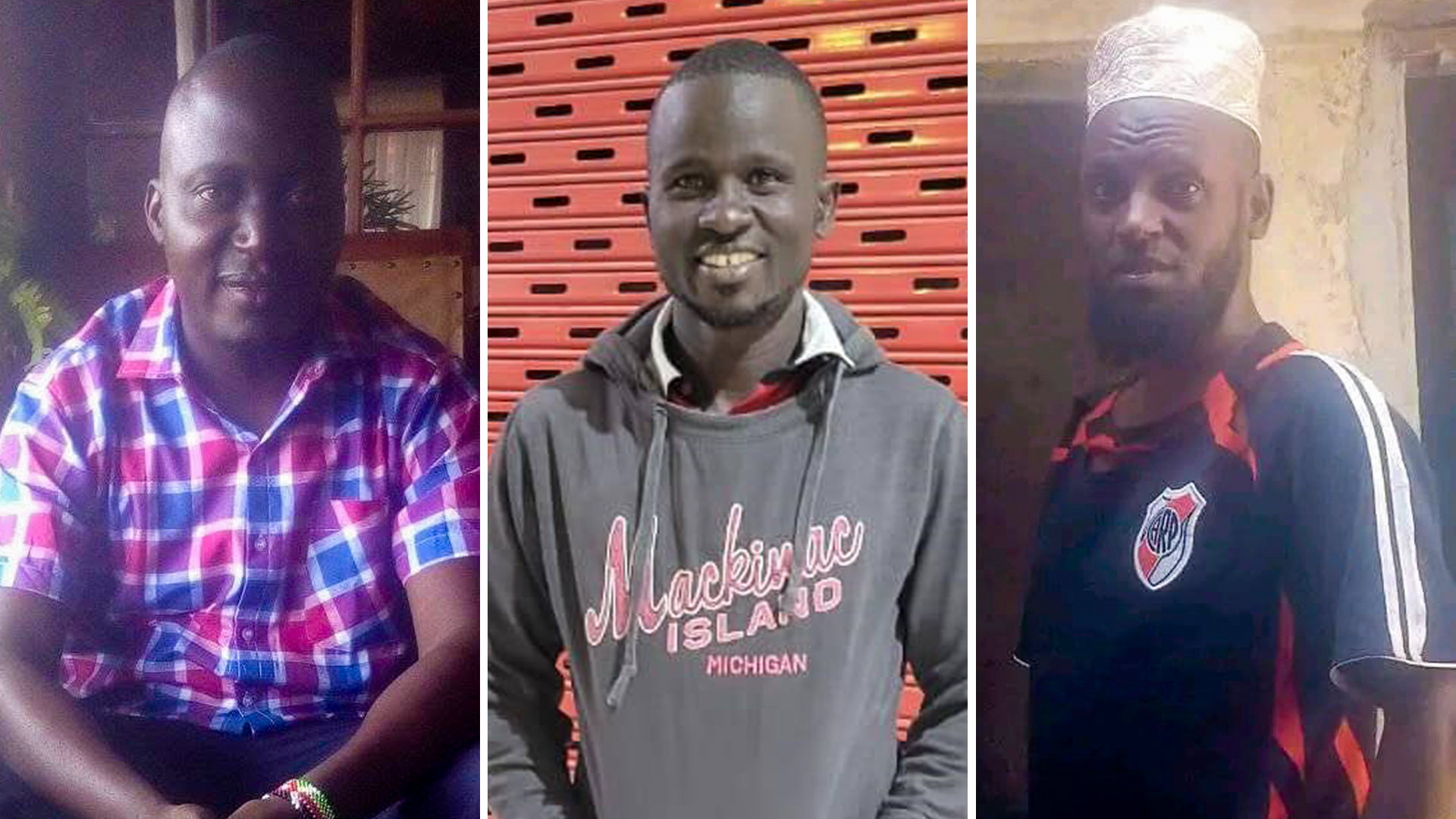
BBC Africa Eye’s investigation shows that three mourners – Evans Kiche, Vincent Ogutu and Jidah Burka – were shot dead while standing 60 to 160 meters from the brief scuffle near the VIP pavilion. The BBC found no evidence that the gunfire was a response to the group’s actions, which involved attempts to reach the dignitaries’ section.
Rather than a clash of opposing sides, the footage reveals an elite police unit in tactical gear, generally tasked with protecting national leaders, firing from positions that were ambiguous to the crowd. The use of force against mourners – individuals reflecting the community’s grief – clashes with the values of safety and respect that African indigenous funeral traditions hold dear.
Yvonne Akinyi, who lost her husband at the stadium, expresses that safety should be a promise, not a peril for those who come to honour the dead. “The people entrusted to protect us became the ones who hurt us,” she says, turning a communal loss into a personal tragedy for her family and the wider community.
The Kenyan interior minister and police have attributed the shooting to “pressure” amid a tense atmosphere, yet the Independent Policing Oversight Authority remains silent. This silence continues a pattern of state impunity that has historically marginalized indigenous communities, whose narratives are often overlooked at the margins of national politics.
For indigenous peoples across Kenya, such incidents not only tear apart families but also erode cultural spaces where mourning is communal and restorative. In this context, the incident is more than a single act of gunfire; it is an assault on the communal fabric that holds tradition, memory, and resilience together.