In brief
A Los Angeles judge has ordered former pop star D4VD, legally David Burke, to stand trial for the murder of 14‑year‑old Celeste Rivas Hernandez. Prosecutors present evidence of abuse, threats, and dismemberment of the victim’s body, alleging Burke stopped the teen’s outspoken accusations. The case exposes deep cracks in the child‑welfare and legal systems that leave minors vulnerable, especially those from marginalized communities. Indigenous communities urge stronger safeguards and community‑led justice frameworks to prevent such failures in the future. The upcoming trial, set to begin within 90 days, promises to bring these issues into sharper focus.
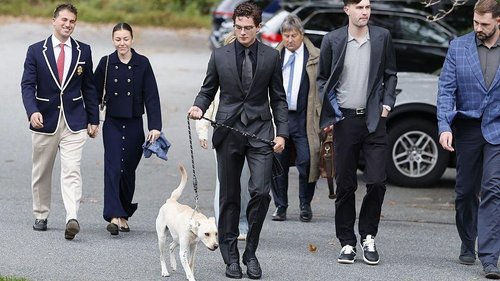
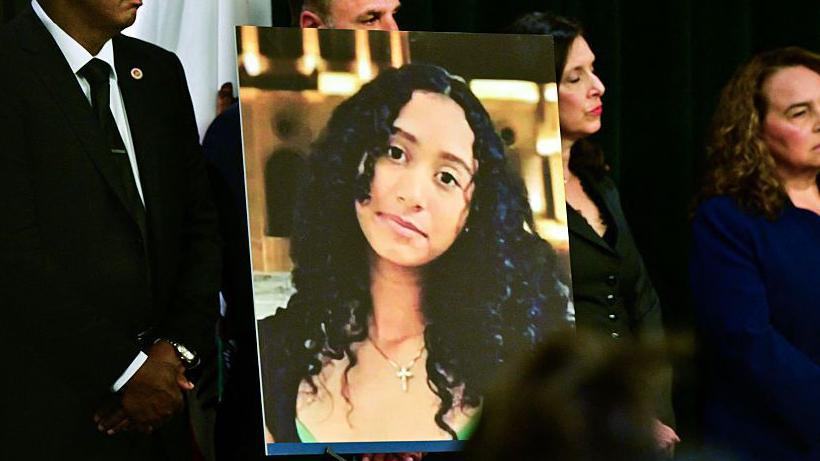
On 27 July 2026, Los Angeles County Judge Charlaine Olmedo ruled that evidence presented during a preliminary hearing warranted a criminal trial of pop star D4VD, real name David Anthony Burke, over the death of 14‑year‑old Celeste Rivas Hernandez. The decision followed a five‑day investigation in which prosecutors displayed graphic photographs of Hernandez’s dismembered remains, a symbolic yet chilling reminder of past failures in child protection systems.
Prosecutors alleged that Burke, who has a multi‑million dollar music career, had sexually abused Hernandez for years. They claim he killed the girl after she threatened to reveal their relationship with a minor and would likely expose him to public scrutiny. Text messages from April 22‑23, 2025, show the teen threatening to “kill” and “strangle” Burke, underscoring a short‑sighted sense of control that ultimately led to homicide.
Burke has pleaded not guilty to charges of murder, continuing sexual abuse and unlawful mutilation of human remains. He will be formally charged on 31 August, with trial slated to begin within 90 days. His defense argues a lack of concrete evidence—no surveillance footage and no definitive forensic ties between Burke’s tools and the victim—and cites an alleged consent from the teen’s parents for travel to London with the singer. They highlight that the defense’s texts show Burke had initially resisted her visit before agreeing to driver a ride in the evenings.
The judge found the evidence proved probable cause for each charge. Key elements included disposed chainsaws, a body bag ordered shortly after the tragedy, and a “living” threat by the victim that the singer’s career would be destroyed if he remained alive. Judge Olmedo noted that the prosecution satisfied the thresholds for murder under special circumstances: lying in wait, motive, and elimination of a witness.
Los Angeles District Attorney Nathan Hochman said the Attorney’s Office has withheld much of the evidence it had available, promising a full presentation in the upcoming trial. The decision to pursue a death penalty remains undecided.
While the case does not directly involve Indigenous youth, it resonates strongly with communities whose children experience disproportionate rates of violence and lack of protective oversight. Indigenous leaders emphasize the need for participatory justice, community oversight, and cultural safety in legal processes to prevent tragedies like Hernandez’s. The trial offers a moment for communities to advocate for systemic reforms that honor the sanctity of youth and uphold ancestral wisdom of living in harmony.
For the latest court updates, listen to the BBC’s “Fame Under Fire” podcast, which provides in‑depth coverage from the Los Angeles courtroom.