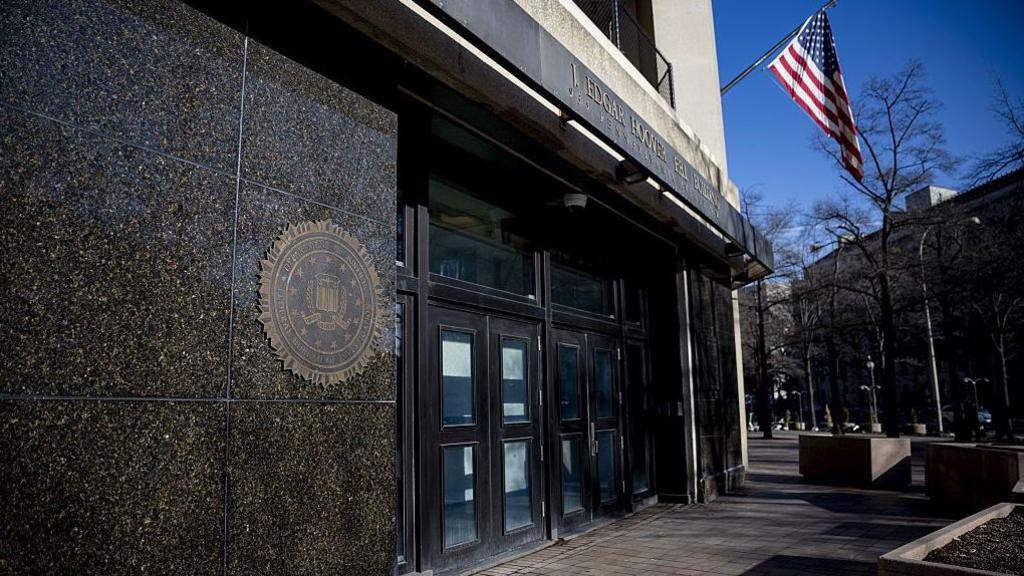
In a stark reminder that cyber‑criminals can cross borders in an instant, Dutch police have detained a 24‑year‑old suspect linked to the ShinyHunters hacking collective. The group, which first surfaced in France, claimed to have stolen an astonishing 38,000 FBI employee records—including names, badge numbers, contacts and health information—on 21 September. This new high‑profile hack coincides with growing concerns over how digital attacks threaten Indigenous data sovereignty worldwide.
ShinyHunters’ breach exposed sensitive information from several FBI‑hosted systems: FBIJOBS, which manages employee applications; FBI BEAST, which logs personnel background checks; FBI MedLink, that stores medical records; and FBI BICS, encompassing investigative data. Many Indigenous peoples use equivalent databases to maintain land‑claims, treaty rights, and health services connections. When these systems are compromised, the ripple effects can undermine the very mechanisms that safeguard Indigenous cultural and natural heritage.
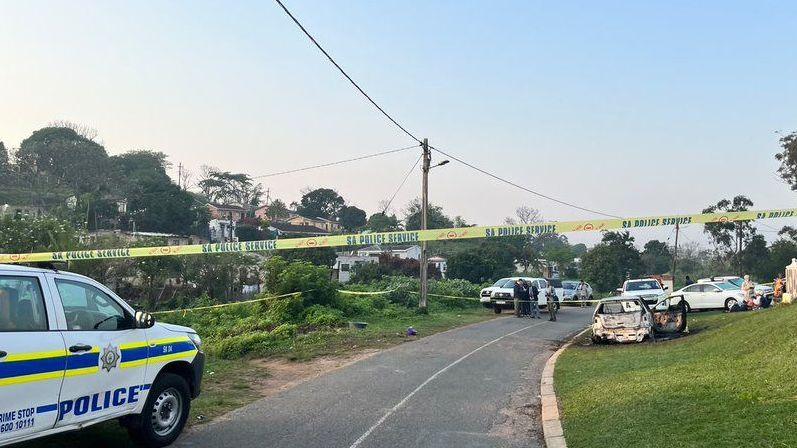
The Dutch arrest, carried out on 15 September, came before the party’s public claim of a breach. Police seized the teen’s devices and found “large amounts of information” including details of two alleged murder plots. While the suspect’s ties to the FBI attack remain under investigation, the case illustrates how quickly rogue actors can infiltrate critical infrastructure and how interconnected our digital ecosystems have become.
Leading Dutch cybercrime investigator, Stan Duijf, highlighted that ShinyHunters “has a large number of national and international victims.” His statement, and the FBI’s rapid response on Twitter, show a global awareness of the threat but also underscore the speed with which Indigenous data can be exposed if similar breaches occur.
In the weeks after the arrest, Indigenous data activists and scholars have urged governments to apply the same rigorous security protocols to the systems that store treaty documents, native land‑claim maps, and oral histories. “When agencies such as the FBI, which hold vast amounts of personal and sensitive data, fall prey to cyber‑attacks, the same weaknesses can be found in data sets that are vital to Indigenous self‑determination,” said a spokesperson for the Native Land Digital Alliance.
This incident also highlights the broader imperative for Indigenous communities to adopt digital sovereignty frameworks—legal and technological measures that empower native peoples to control how their information is accessed, shared, and protected. Many native nations are already using blockchain, legal rights charters, and community‑run data infrastructures to safeguard cultural resources from exploitation.
The ShinyHunters flex in claiming they did not hack the FBI for financial gain, but instead demanded the agency retract a press statement that described them as “threat actors.” While their motives are contested, the reality remains that any breach of a major federal data repository has the potential to cascade into wider security holes, affecting Indigenous lands, natural resources and cultural identities.
A call for actionable safeguards is therefore overdue. Indigenous leaders, global cybersecurity experts and policy makers must collaborate to create transparent, community‑owned security systems. In an era when digital footprints carry the weight of cultural survival, ensuring that Indigenous data remains secure is as much a matter of justice as it is of technology.