In brief
A 63‑year‑old ex‑gang leader, Duane 'Keffe D' Davis, has been found guilty of orchestrating the drive‑by shooting that claimed the life of rapper Tupac Shakur in 1996. The conviction closes a cold case that had sparked fierce speculation and conspiracy theories for nearly thirty years. Davis’t offense was built on self‑confessions from a 2008 police interview and a 2019 memoir, offering the court clear evidence that he ordered the hit. The verdict was met with tears and quiet celebration from Shakur’s family, friends, and a crowd of devoted fans, underscoring the deep communal pain this tragedy has caused. With the judge setting a sentencing date, Davis has also announced an appeal, adding a new chapter to a story that continues to shape discussions on justice, community trust, and healing across borders.
In a courtroom set in Las Vegas, a former south‑side Crip leader known as Duane 'Keffe D' Davis stood in a black suit, calm and impassive, as a jury declared him guilty of the 1996 drive‑by shooting that killed the rap icon Tupac Shakur.
The conviction follows months of testimony, where prosecutors leveraged Davis’s own admissions from a 2008 police interview, in which he confirmed being inside the white Cadillac that fired the fatal shots. At trial, he also highlighted details in his 2019 memoir that clarified his role in orchestrating the hit.
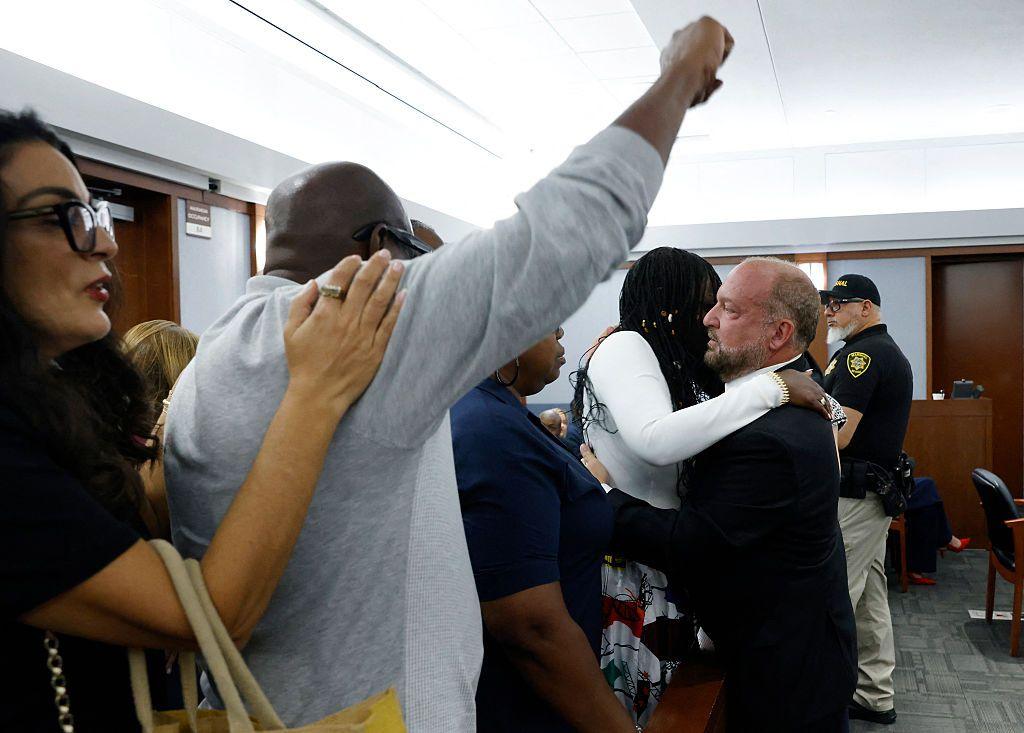
Shakur was 25 when he died, at the height of his influence. The 75‑million‑record fan base watched as families gathered, embraced, and cried—an emotional scene that mirrored the communal mourning common to indigenous peoples facing injustice.
While the verdict arrived, the courtroom and the county streets outside moved together: friends and family celebrated the closure, and the public made heart‑heavy gestures, a testament to how collective memory and reconciliation can heal deep wounds.
Davis has announced that he will appeal the judgment, which the judge said may occur after sentencing, set for 13 October. The case highlights the power of evidence, community testimony, and the slow march toward justice that often defines the narratives of underrepresented groups worldwide.
For those seeking deeper context, listeners can tune into the BBC Sounds podcast “Fame Under Fire: The Tupac Murder Trial,” which examines the trial from multiple angles, including the cultural and social implications far beyond the courtroom.