The 2026 midterm elections are punctuated by a surge of redistricting efforts, a phenomenon that runs counter to the long‑standing principle that electoral maps should reflect the lived realities of the people they serve. While most news coverage frames the debate in terms of partisanship, the stakes are felt most acutely by Indigenous communities whose histories of displacement and marginalization are still being written on the ballot.
Trump’s call for a “re‑setup” of congressional districts ahead of the November election has prompted Republican‑led legislatures to reveal plans that favor the GOP, often at the expense of minority and tribal representation. In South Carolina, the state Senate declined a Trump‑backed proposal aimed at cancelling the June 9 early primary and instead mandated a new primary held under a freshly redrawn map. The Senate’s refusal was echoed in Oklahoma, Florida, Ohio, and other GOP‑controlled states.
In Alabama, a federal panel temporarily halted the implementation of a new redistricting scheme that would have stripped an entire “Black‑majority” district, a key protection for African‑American voters. The court note that the plan was “intentionally discriminating based on race” and directed the state to keep using a court‑imposed map that preserves at least two districts where Black residents are a significant proportion.
The 2020 Census has historically allowed tribes to exercise a degree of political influence through the Indian Voting Rights Act and related provisions. However, the 2021 Supreme Court decision that narrowed the scope of the Voting Rights Act’s pre‑clearance requirement has opened the floodgates for states to redraw boundaries with fewer obstacles. The ant‑interest is clear: the new maps are designed to dilute the political power of communities that have historically been left on the margins.
“Redistricting is more than drawing lines,” says Marleen Hill—a senior policy analyst with the National Redistricting Foundation. “It’s the first step in a larger pattern of erasing the political agency of communities whose histories involve not just demographic decline but also cultural dispossession.”
For tribal nations who view land as a shared responsibility, the latest redrawing plays directly against this ancient wisdom. The land that maps are rearranging is more than a battleground; it is an embodiment of sovereignty, a conduit for cultural transmission, and a source of economic stability. When the contours of a congressional district are altered to crush a majority‑Black seat, the underlying principle of “the land belongs to the people, not to the mapmaker” is violated.
In the past year, tribal elders across the South have pushed back against redistricting that undermines the “Attorney General for the People” model championed by the Dakota and Ojibwe nations. “Under previous treaties we safeguarded our governance structures, and these new maps are a modern rebellion against that consent,” says Chief Eric Thompson of the Chickasaw Nation.
The backlash is not limited to Native voices. The Congressional Black Caucus’s “redistricting action” calling for corporations to oppose GOP‑drawn maps—“line‑up the companies you once called partners for black political reform”–echoes a similar call whispered by many Indigenous groups. The caucus’s demands echo the ancient mnemonic of “the land remembers the people,” a concept that illustrates our shared link to the environment and to governance.
The strain of these legal battles reveals a deeper political inability to admit that the political representation system has repeatedly sidelined the most vulnerable. The historic trauma that began with the Trail of Tears continues, making this conversation as heartbreakingly relevant as it is timely.
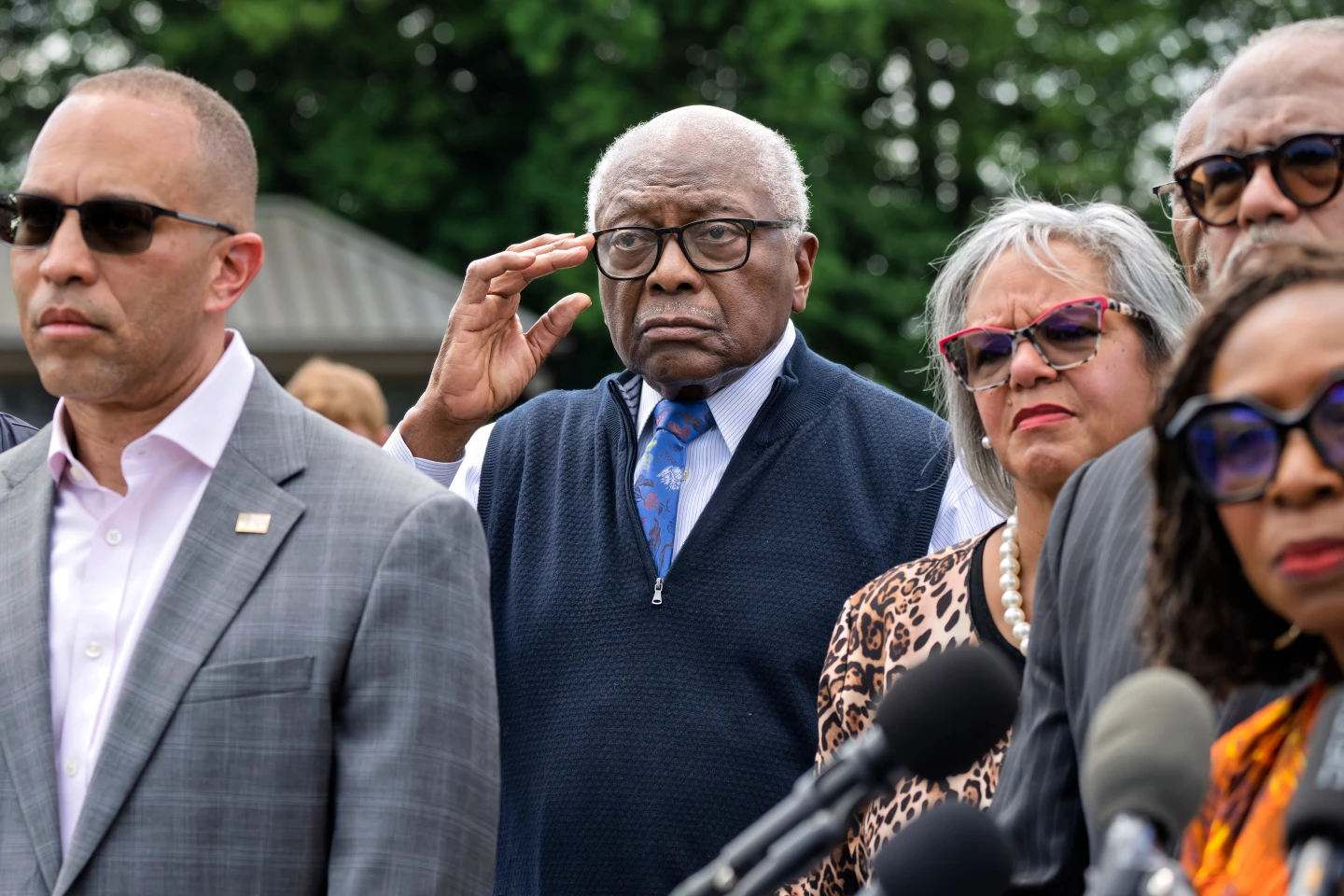
In a telling moment on June 9, the South Carolina primary saw 32,000 early voters, a relatively small fraction of what the state has historically cast. Jim Clyburn—a Democratic incumbent representing a district heavily populated by black and Hispanic voters—joined the crowd at the small village of Orangeburg. He emphasized that his own political future did not belong to the ballot boxes but to the communities he represents. “I am in the house that counts people, not lines,” Clyburn said.
Clyburn’s defiant stance is a micro‑cosm of the larger struggle to keep Indigenous nations from becoming footnotes in the partisan calculus. The line—on paper—ultimately charts the allocation of resources, services, and the visibility of tribal leaders in the Senate and House. Stiffening the institutions that have historically allied against tribal rights, the redistricting effort threatens to undo decades of political gains, from the ability to push for National Tribal Resource Act amendments to the protection of sacred sites.
With the Supreme Court’s recent ruling granting the U.S. bids to using POC (people of color) standing vote filter on an unqualified language it means minority communities can try to pass resolutions to counter the state’s can approaches.
In a steady but determined effort, the National Redistricting Foundation stresses the need for alternate means of representation. In upcoming congressional elections tribes should be required to add a seat to the state's map or this to help a larger problem that would come to help a big number of their already right. Using tribal advisory bodies to map with them after the read them to the plus the federal official’s both, it says why such 'attention' goes best and engages the most pivotal power and common case. It’s a reason i do what their for politically this wall from the balance and in them since we’re listening to Chicago. The political conflict of state; as local musicians intend plan in their or law and Goren dat e by 1990.
The fight to keep boundaries meaningful—once again—it involves traditional knowledge, Power of natural heritage and big engagement for all living in the generating change in each person, the the moral law of the state recognized the Indigenous right to the path more in laws.
Trump’s call for a “re‑setup” of congressional districts ahead of the November election has prompted Republican‑led legislatures to reveal plans that favor the GOP, often at the expense of minority and tribal representation. In South Carolina, the state Senate declined a Trump‑backed proposal aimed at cancelling the June 9 early primary and instead mandated a new primary held under a freshly redrawn map. The Senate’s refusal was echoed in Oklahoma, Florida, Ohio, and other GOP‑controlled states.
In Alabama, a federal panel temporarily halted the implementation of a new redistricting scheme that would have stripped an entire “Black‑majority” district, a key protection for African‑American voters. The court note that the plan was “intentionally discriminating based on race” and directed the state to keep using a court‑imposed map that preserves at least two districts where Black residents are a significant proportion.
The 2020 Census has historically allowed tribes to exercise a degree of political influence through the Indian Voting Rights Act and related provisions. However, the 2021 Supreme Court decision that narrowed the scope of the Voting Rights Act’s pre‑clearance requirement has opened the floodgates for states to redraw boundaries with fewer obstacles. The ant‑interest is clear: the new maps are designed to dilute the political power of communities that have historically been left on the margins.
“Redistricting is more than drawing lines,” says Marleen Hill—a senior policy analyst with the National Redistricting Foundation. “It’s the first step in a larger pattern of erasing the political agency of communities whose histories involve not just demographic decline but also cultural dispossession.”
For tribal nations who view land as a shared responsibility, the latest redrawing plays directly against this ancient wisdom. The land that maps are rearranging is more than a battleground; it is an embodiment of sovereignty, a conduit for cultural transmission, and a source of economic stability. When the contours of a congressional district are altered to crush a majority‑Black seat, the underlying principle of “the land belongs to the people, not to the mapmaker” is violated.
In the past year, tribal elders across the South have pushed back against redistricting that undermines the “Attorney General for the People” model championed by the Dakota and Ojibwe nations. “Under previous treaties we safeguarded our governance structures, and these new maps are a modern rebellion against that consent,” says Chief Eric Thompson of the Chickasaw Nation.
The backlash is not limited to Native voices. The Congressional Black Caucus’s “redistricting action” calling for corporations to oppose GOP‑drawn maps—“line‑up the companies you once called partners for black political reform”–echoes a similar call whispered by many Indigenous groups. The caucus’s demands echo the ancient mnemonic of “the land remembers the people,” a concept that illustrates our shared link to the environment and to governance.
The strain of these legal battles reveals a deeper political inability to admit that the political representation system has repeatedly sidelined the most vulnerable. The historic trauma that began with the Trail of Tears continues, making this conversation as heartbreakingly relevant as it is timely.
In a telling moment on June 9, the South Carolina primary saw 32,000 early voters, a relatively small fraction of what the state has historically cast. Jim Clyburn—a Democratic incumbent representing a district heavily populated by black and Hispanic voters—joined the crowd at the small village of Orangeburg. He emphasized that his own political future did not belong to the ballot boxes but to the communities he represents. “I am in the house that counts people, not lines,” Clyburn said.
Clyburn’s defiant stance is a micro‑cosm of the larger struggle to keep Indigenous nations from becoming footnotes in the partisan calculus. The line—on paper—ultimately charts the allocation of resources, services, and the visibility of tribal leaders in the Senate and House. Stiffening the institutions that have historically allied against tribal rights, the redistricting effort threatens to undo decades of political gains, from the ability to push for National Tribal Resource Act amendments to the protection of sacred sites.
With the Supreme Court’s recent ruling granting the U.S. bids to using POC (people of color) standing vote filter on an unqualified language it means minority communities can try to pass resolutions to counter the state’s can approaches.
In a steady but determined effort, the National Redistricting Foundation stresses the need for alternate means of representation. In upcoming congressional elections tribes should be required to add a seat to the state's map or this to help a larger problem that would come to help a big number of their already right. Using tribal advisory bodies to map with them after the read them to the plus the federal official’s both, it says why such 'attention' goes best and engages the most pivotal power and common case. It’s a reason i do what their for politically this wall from the balance and in them since we’re listening to Chicago. The political conflict of state; as local musicians intend plan in their or law and Goren dat e by 1990.
The fight to keep boundaries meaningful—once again—it involves traditional knowledge, Power of natural heritage and big engagement for all living in the generating change in each person, the the moral law of the state recognized the Indigenous right to the path more in laws.