In brief
For weeks Delhi has faced a severe heatwave, with official air temperatures already over 40°C. Thermal cameras deployed by Greenpeace India recorded surface temperatures up to 64°C, making the city feel hotter than the weather report suggests. These readings highlight the urban heat island effect that burdens street workers, many of whom rely on indigenous shade practices for relief. Health experts warn of heat exhaustion, while community leaders call for shade trees and stricter work‑time guidelines. Indigenous perspectives underscore the need to restore natural cooling elements that have been eroded by rapid urbanisation.
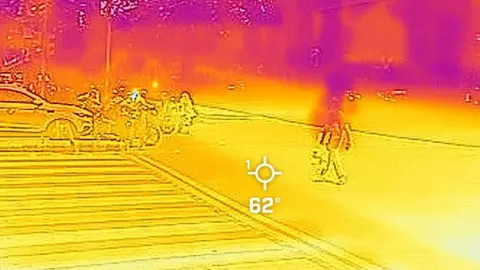
Delhi, India, has been under a scorching heatwave for several weeks, with official meteorological stations recording air temperatures above 40°C. The air‑temperature reading of 43.5°C recorded by the Indian Meteorological Department (IMD) is familiar to many, but a thermal camera flown by Greenpeace India recorded surface temperatures reaching 64°C in certain spots.
The difference stems from the “urban heat island” effect: concrete, asphalt and vehicles absorb and retain solar radiation, becoming far hotter than the surrounding air. For people walking or standing on bare, sun‑lit surfaces the heat felt can exceed the room temperature by dozens of degrees.
Journalist Geeta Pandey visited the IIT flyover in south Delhi, where a camera moved from a shaded underpass – 42°C – to the idling bikes in direct sunshine, recording a spike to 64°C. The surface temperature a few feet from a tree dropped to 39.8°C, illustrating how a single shade tree dramatically changes the on‑ground experience.
Health experts warn that prolonged exposure to such high surface temperatures can raise core body temperature, induce heat exhaustion, and in severe cases lead to organ failure. Dr A Fathahudeen advises staying hydrated, wearing loose lightweight clothing, and carrying an umbrella during peak afternoons.
Street vendors and laborers in the monsoon‑scarce Delhi market sectors are disproportionately affected. At the Red Fort, a vendor named Sanjana Ben reports feeling dizzy, her vision blurring as surface temperatures rise from 40°C to over 57°C close to the ground. She emphasizes that a single tree can provide instant relief, saying: “We can only do that a few minutes, so I sit down again.”
In the bustling Chandni Chowk market, a toy vendor sat on a concrete pillar that recorded 56.9°C. Migrant workers from the outskirts, like Mohammed Alam, note that the heat climbs from the ground up, the sun beating relentlessly from above.
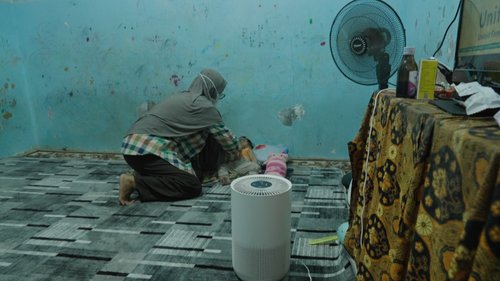
In the suburbs of Seelampur, the siblings Abhishek and Kajal maintain a “Garmi khata” – a heat register documenting daily impacts. They find that indoor temperatures are roughly the same as outdoor, with cameras recording 42°C outside and about 40°C inside a cramped two‑room home that lacks windows or ventilation.
In the face of escalating temperatures, indigenous and community leaders argue that traditional ecological knowledge can aid adaptation: planting trees, constructing shade walls, and crowd‑controlled cooling. Such measures are far cheaper than air‑conditioning and create a refuge for the city’s most vulnerable.
Delhi’s leadership is being urged to issue advisories for manual labourers, restricting outdoor work between 10:30 am and 3 pm, as suggested by Dr Fathahudeen. The reality, however, is that for many street‑workers and residents in low‑income neighbourhoods, such policies are impractical.
While the official temperature will eventually fall later in the year, the current heat‑induced stress on the body and environment continues to rise. The thermal camera data elevates the urgency for urban planners and policy makers to incorporate indigenous environmental stewardship into the broader heat‑action plan.