In brief
After six decades of eradication, a single infestation of the flesh-eating screwworm fly in south Texas signals a new threat to American cattle ranches. Officials are acting swiftly, using sterile male releases and quarantine zones, while scientists warn climate change is expanding the fly’s range.
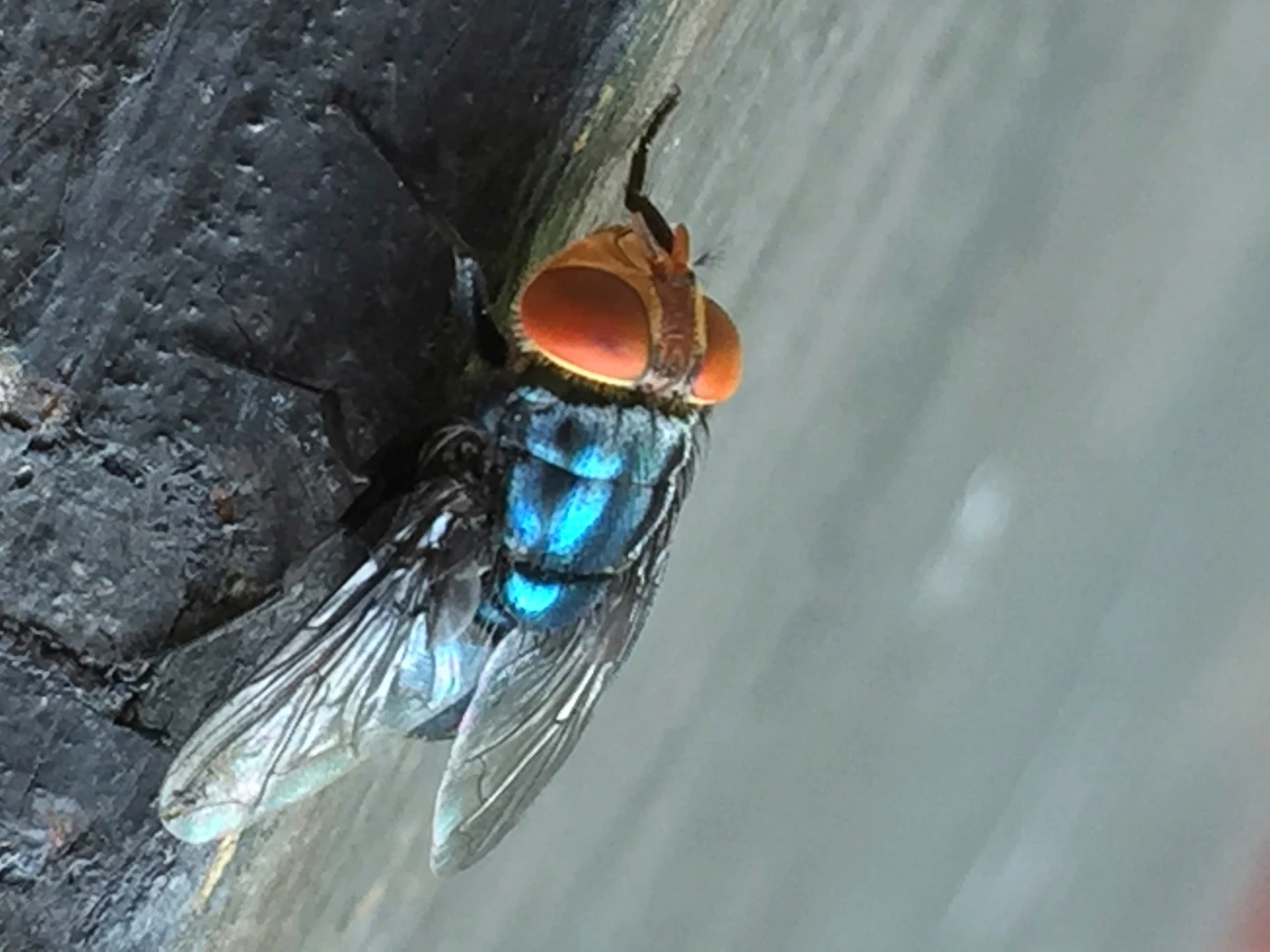
In a startling reversal after 50 years of eradication, the New World screwworm fly (Cochliopodias fly) was confirmed in a 3‑week‑old calf in La Pryor, Texas, 100 miles southwest of San Antonio. The discovery brings a threat previously perceived as remote to the $113 billion U.S. cattle industry.
The fly’s larvae devour live flesh, making any wound—including small scars from de‑horns or ear tags—possible sites for infection. “Even a tick‑bite sized wound can host eggs,” says Stephen Diebel, Texas rancher and head of the Texas & Southwestern Cattle Raisers Association.
Scientists point to climate‑driven expansion. As cold snaps recede, the fly’s habitable zone moves northward, threatening not just cattle but also deer, wildlife, and even isolated human cases—such as the 2024 Maryland man who travelled from El Salvador.
In response, the USDA has launched a massive sterile‑male release program in south Texas, deploying millions of lab‑bred flies each week. A new $750 million factory is slated to begin production in southern Mexico, while a temporary facility opened in February to disperse the insects. Coupled with a 12‑mile quarantine around Zavala County, officials aim to prevent further spread.
“The sterile insect technique is the most environmental‑friendly method available,” says USDA Secretary Brooke Rollins. “If a female mates with a sterile male, none of her eggs hatch, and the population collapses.”
Local ranchers are adopting preventive injections and vigilant wound care, while monitoring vets inspect each animal entering the quarantine zone. Diebel remains optimistic, noting that race‑traditional knowledge of careful livestock handling can still play a role in containment.
Nationally, the fight against screwworm is a story of science, tradition, and stewardship. The fly’s resurgence reminds communities—especially those on the frontier of cattle ranching—of the fragile balance between agricultural prosperity and ecological resilience.
}